In the heart of New England, the residents of New Hampshire appear to be navigating a collective identity crisis regarding technological progress. According to the latest data from the University of New Hampshire (UNH) Survey Center, there is a remarkable surge in the use of Artificial Intelligence (AI) tools, yet this is accompanied by an equally intense and growing distrust. This "adoption paradox" highlights a society that, while recognizing the inevitable utility of the technology, fears its long-term consequences for democracy, employment, and human connection.
The Surge in Adoption and Digital Daily Life
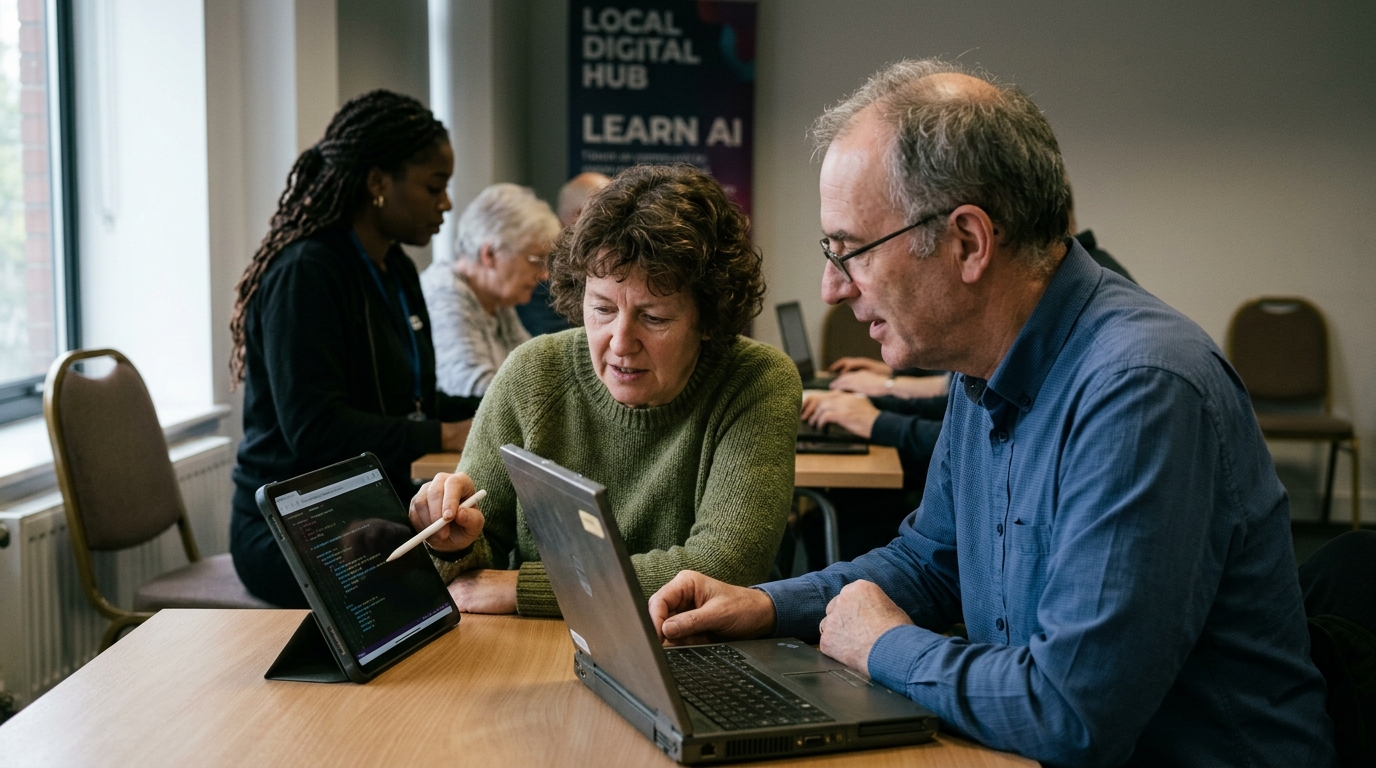
The poll indicates that the percentage of New Hampshire adults using AI programs, such as ChatGPT, has skyrocketed. While a year ago usage was limited to a small group of early adopters, today AI has permeated the workplace, education, and personal organization. Users report that AI assists them in drafting emails, planning trips, and solving complex problems. However, this convenience does not come without a cost. Familiarity with the tool seems to have demystified its capabilities, but simultaneously intensified fears about what will happen when these tools become even more powerful and autonomous.
The Threat of Deepfakes and the Democratic Process
One of the most alarming findings of the survey concerns political misinformation. In a state that prides itself on its "First-in-the-Nation" status during presidential primaries, the threat of deepfakes is causing significant anxiety. Residents expressed deep concern over how AI could be used to create fake audio messages or videos that could sway election results. The recent experience with AI-generated robocalls mimicking President Biden’s voice has clearly left a lasting mark on voter psychology. Trust in information is eroding, and citizens feel vulnerable against a technology that can effectively manufacture reality.
Economic Insecurity and the Loss of Human Touch
Beyond politics, the economic dimension of AI is sending shivers through the workforce. A majority of respondents believe that AI will lead to significant job losses, particularly in sectors traditionally considered "safe," such as administration, writing, and data analysis. Furthermore, there is a pervasive existential dread regarding alienation. New Hampshire residents fear that replacing human interaction with algorithms will erode the social fabric. The notion of interacting more with machines than humans in daily transactions—ranging from customer service to medical consultations—is met with skepticism and a sense of loss.
Conclusion: A Society at a Crossroads
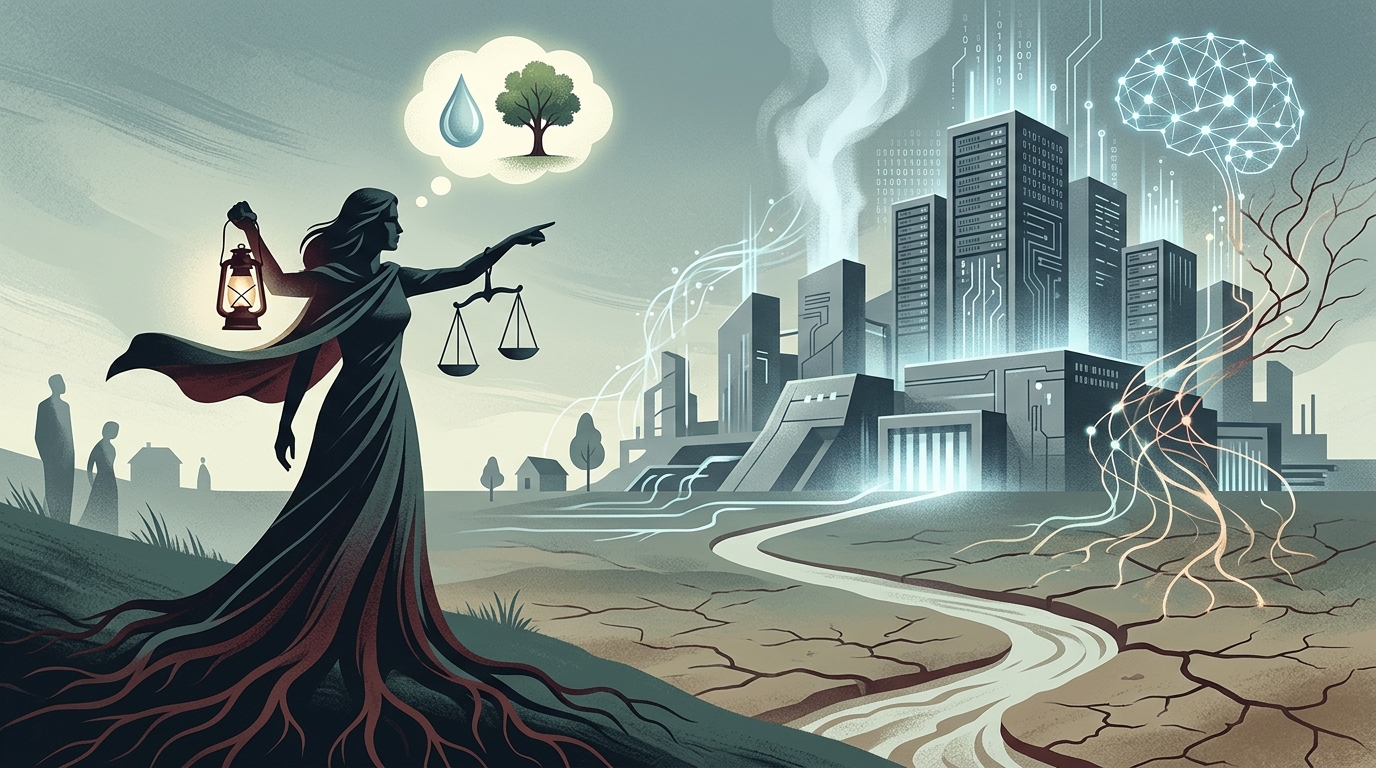
The situation in New Hampshire serves as a microcosm for global trends. We are no longer in the phase of mere excitement over a "new toy," but rather in a phase of sobering realization regarding the risks. The challenge for lawmakers and civil society is to find the middle ground: to harness the productive potential of AI while shielding democratic institutions and the labor market. The UNH poll is a stark reminder that technological progress, lacking an ethical compass and a robust regulatory framework, risks losing public consent, creating a society that uses the tools of the future while harboring deep-seated fears for what that future holds.