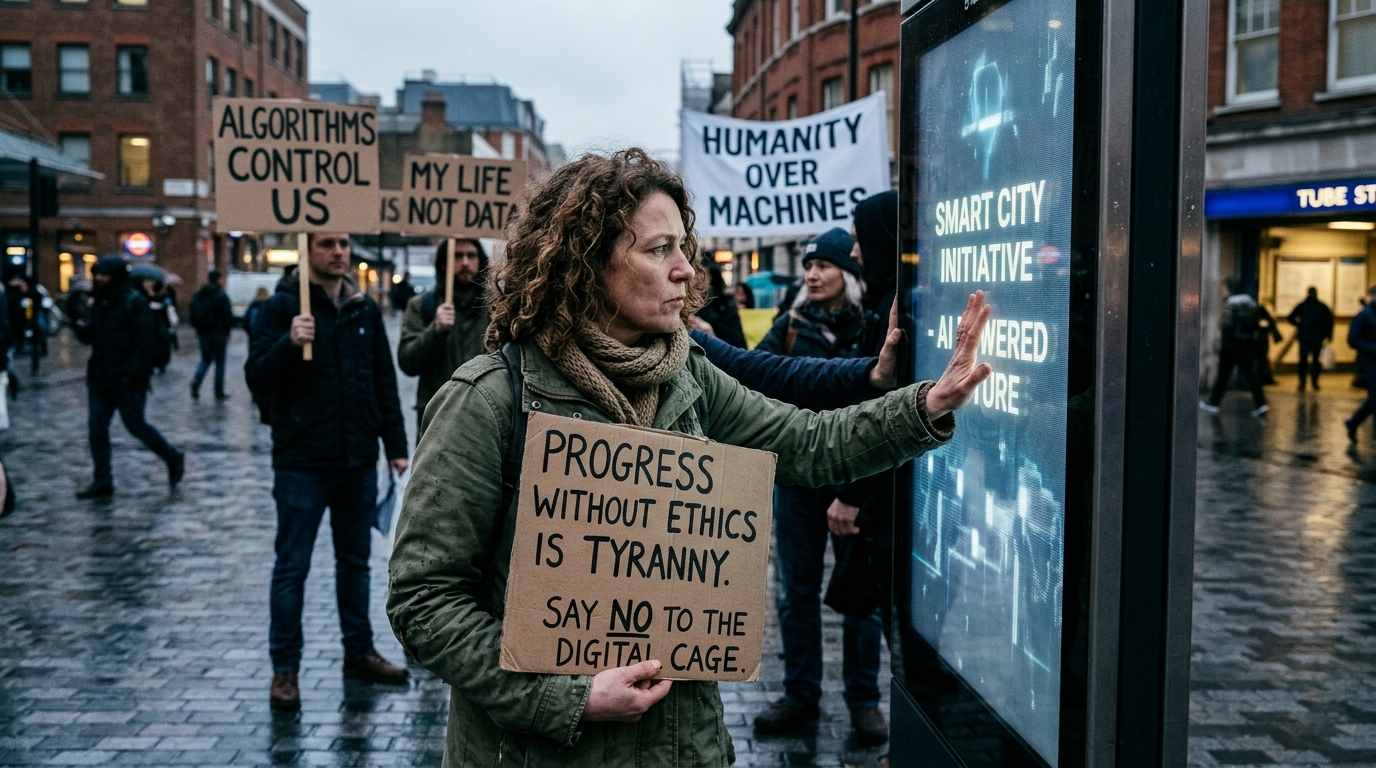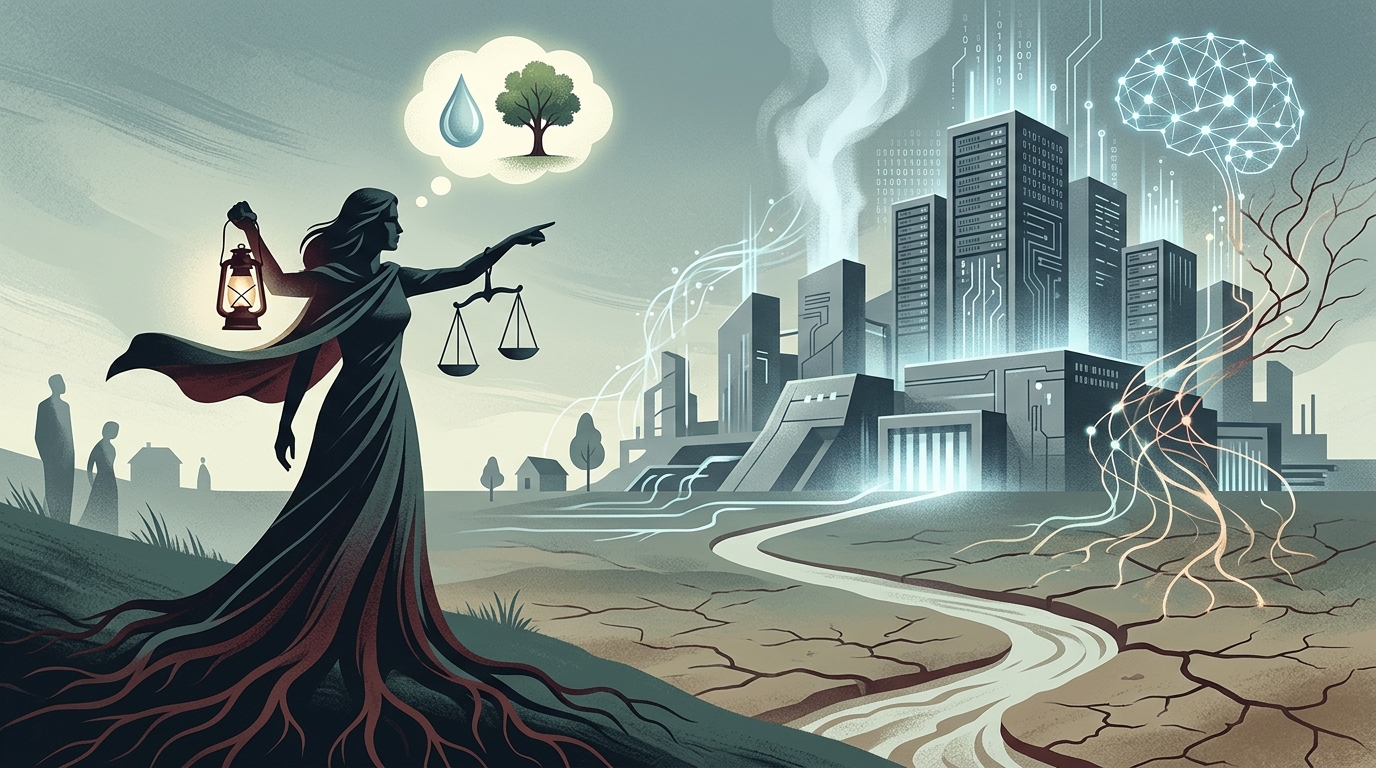
Decades after the legal battle that made her a global symbol of environmental justice, Erin Brockovich is back on the front lines. This time, the adversary is not a utility company polluting groundwater with hexavalent chromium, but the very infrastructure supporting our digital existence: the massive data centers of Artificial Intelligence. Brockovich warns that the frenzy for AI development is leading to a new resource crisis, where the algorithms' thirst for water and energy threatens the sustainability of entire communities.
The Invisible Side of the 'Cloud'
For the average user, Artificial Intelligence seems intangible, an intelligence residing in the "cloud." However, the reality is deeply physical and extremely energy-intensive. Every time a user asks ChatGPT a question or generates an image via AI, thousands of processors in vast facilities are activated. These processors generate enormous amounts of heat, which must be dissipated to prevent equipment failure. The most cost-effective and widespread cooling method is the use of water.
According to recent studies, training GPT-3 at Microsoft's facilities consumed approximately 700,000 liters of fresh water. Brockovich points out that as AI scales, this consumption becomes unsustainable. "We can't drink data," she famously states, highlighting a hierarchy of needs that seems to be overturned in favor of technological growth.
Communities Under Siege
The activist is focusing her attention on regions like Arizona, Virginia, and Chile, where data centers are sprouting like mushrooms. In these areas, residents face the depletion of aquifers and rising electricity prices. Brockovich denounces the lack of transparency from tech giants, who often sign deals with local authorities under strict secrecy, using code names for their projects.
- Excessive water consumption in drought-stricken areas.
- Strain on the electrical grid leading to potential blackouts.
- Noise pollution from massive cooling systems.
- Lack of democratic accountability in local communities.
Brockovich argues that corporate promises to be "water positive" by 2030 are often PR stunts that fail to address the immediate need to protect local ecosystems.
Ethical Dilemmas and the Future of AI
The issue Brockovich raises is not the rejection of technology, but the demand for responsible development. Artificial Intelligence has the potential to solve complex problems, from climate change to medical diagnosis. However, the question remains: at what cost? If the path to technological supremacy requires sacrificing a community's basic natural resources, then this progress is an illusion.
Brockovich's intervention comes at a time when regulators in the US and EU are beginning to scrutinize the environmental footprint of AI more closely. The need for mandatory reporting of water and energy consumption by data centers is now imperative. As history taught us in Hinkley, ignoring environmental impacts eventually leads to social explosion and multi-billion dollar legal consequences.
Conclusion: A Return to Reality
Erin Brockovich's battle against data centers is a reminder that the digital economy does not operate in a vacuum. It relies on the land, water, and air we all share. Transparency, citizen participation in decision-making, and respect for planetary boundaries must be at the core of the next phase of the technological revolution. Without these, Artificial Intelligence risks becoming the next major environmental crisis of the 21st century.