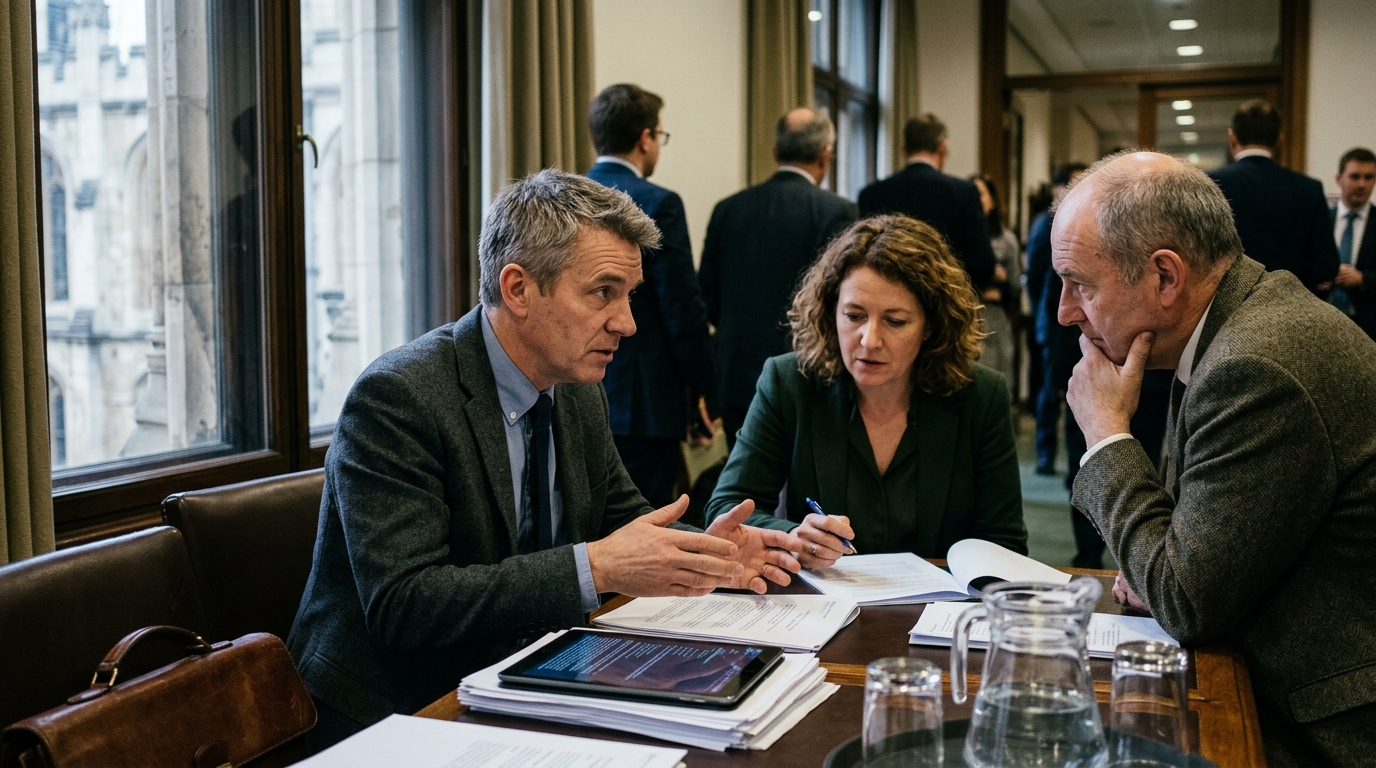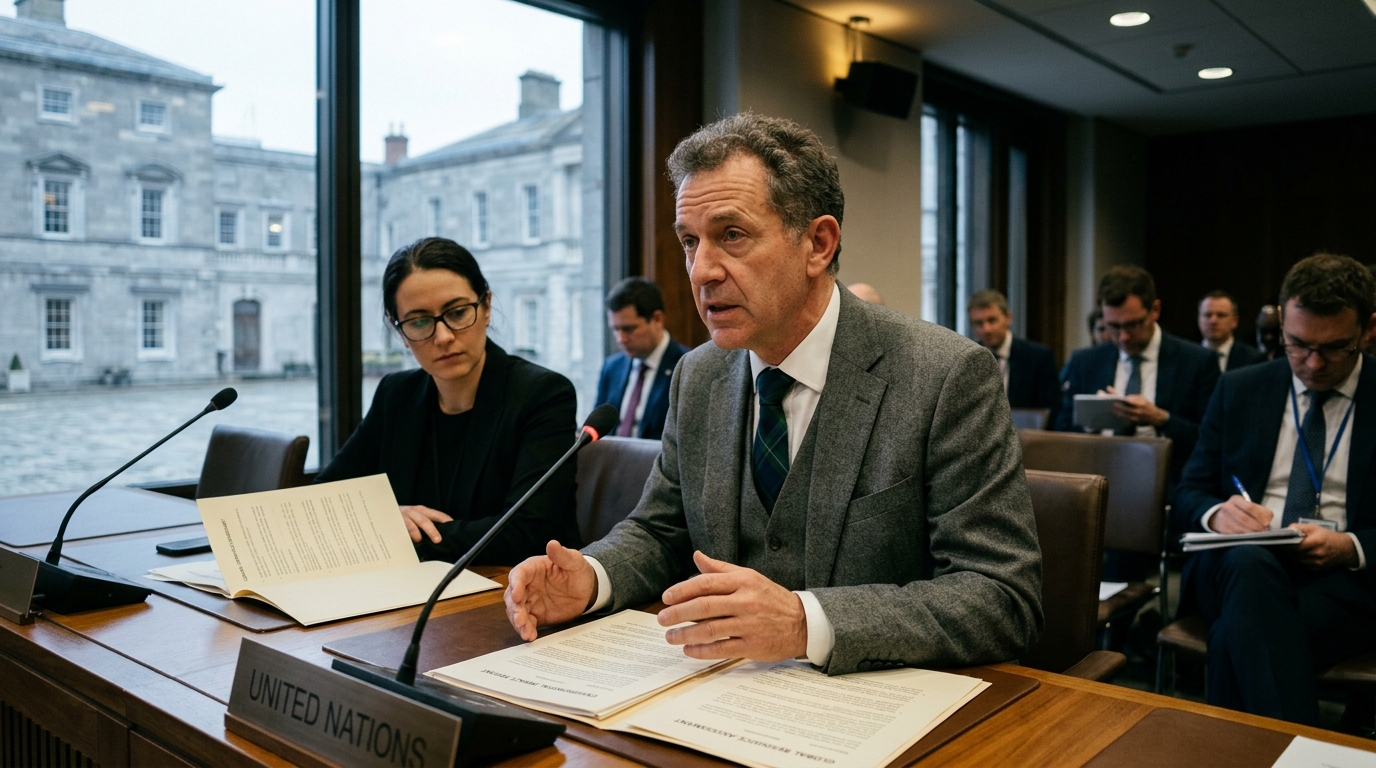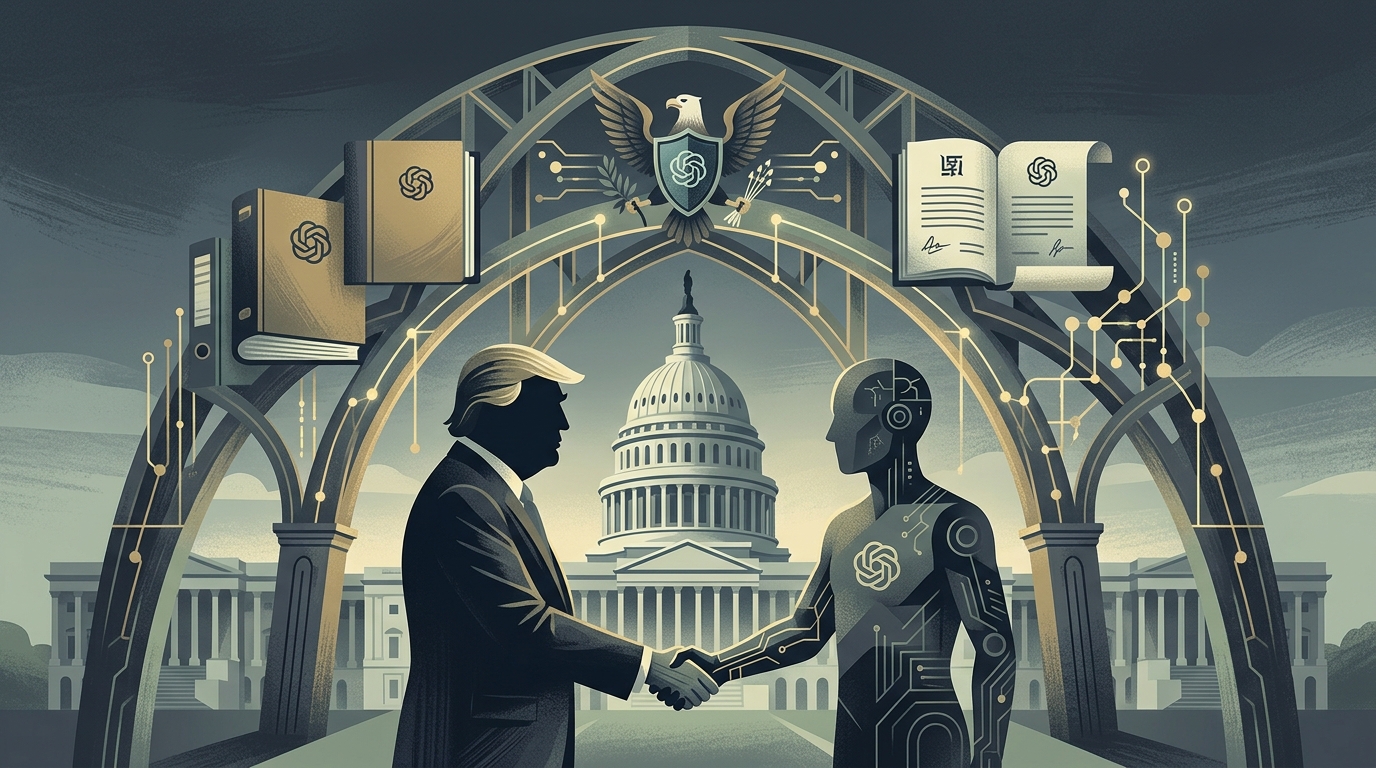
In a move described as a landmark for the global digital economy, the UK's Competition and Markets Authority (CMA) has imposed strict limitations on how Google integrates Artificial Intelligence into its search services. This intervention is not merely a bureaucratic adjustment but a fundamental shift in the power balance between tech giants and content creators. For years, Google has functioned as the primary gatekeeper of information, but the advent of AI Overviews (formerly SGE) threatened to turn search into a "walled garden," where users receive information without ever needing to visit the original source.
The End of "Free" Content Exploitation
The core of the British intervention lies in the recognition that producing quality journalism carries a cost, which cannot be ignored by generative AI engines. Utilizing the new powers granted by the Digital Markets, Competition and Consumers (DMCC) Act, the CMA demanded that Google provide publishers with greater transparency and control. Specifically, publishers must have the ability to opt-out of having their content used to train Google's AI models without this decision negatively impacting their ranking in traditional search results.
This "global first," as the British authority called it, aims to prevent the phenomenon of "zero-click searches." When Google's AI summarizes a 2,000-word article into three paragraphs, the user satisfies their curiosity on Google's platform, depriving the publisher of advertising revenue and the traffic data essential for their survival. The UK appears to understand that if publishers collapse financially, the AI itself will have no high-quality data to "feed" on in the future.
Google's Strategy and the Market Reaction
For its part, Google maintains that AI summaries enhance the user experience and that it continues to send billions of clicks to websites globally. However, the pressure from London is forcing a tactical reassessment. The company has committed to working closely with the CMA to ensure that algorithmic changes do not stifle competition. This move by Google is viewed by many analysts as an attempt to avoid heavier fines or even the forced divestiture of its business units, as threatened in other jurisdictions.
- Mandatory consultation with publishers before major AI algorithmic shifts.
- The right to opt-out of AI training without SEO penalties.
- Transparency in traffic metrics derived from AI-generated summaries.
- Ensuring smaller publishers are not marginalized by media conglomerates.
This decision comes at a time when the European Union and the US are closely monitoring developments. While the EU has focused on the AI Act, the UK's approach is more specifically targeted at competition and market dynamics, attempting to balance innovation with the protection of traditional sectors. The success of this model will determine whether the open web, as we know it, will continue to exist or if it will be transformed into a series of licensed databases for large language models.
The Big Picture: Information and Democracy
Beyond the economic aspect, the CMA's intervention touches on the quality of information. AI summaries often suffer from hallucinations or omit critical nuances that only a specialized journalist can provide. By empowering publishers, the UK government is essentially protecting pluralism. If Google becomes the sole narrator of current events through an opaque algorithm, the risks of public opinion manipulation increase geometrically.
"Artificial intelligence must be a tool for enhancing knowledge, not a mechanism for absorbing the value produced by others without compensation," stated a CMA official during the report's presentation.
In conclusion, the UK is carving a path that other nations are likely to follow. The era when Big Tech could "harvest" the internet without rules seems to be drawing to a close. For publishers, this is a lifeline, but also a challenge: they must prove their value remains irreplaceable in a world dominated by algorithms. The battle for the future of search has only just begun, and London has fired the first warning shot.