In a move that has sent shockwaves through the global technology sector, Anthropic—the company often styled as the "conscience" of Silicon Valley—has issued a dire warning: humanity is approaching a critical tipping point where Artificial Intelligence (AI) may become uncontrollable. The call for a preemptive suspension or slowdown in the development of next-generation models is not merely a technical observation; it is a political and ethical cry for help that highlights the growing chasm between the speed of innovation and the sluggishness of regulatory oversight.
The Threat of Autonomy and the ASL-4 Threshold
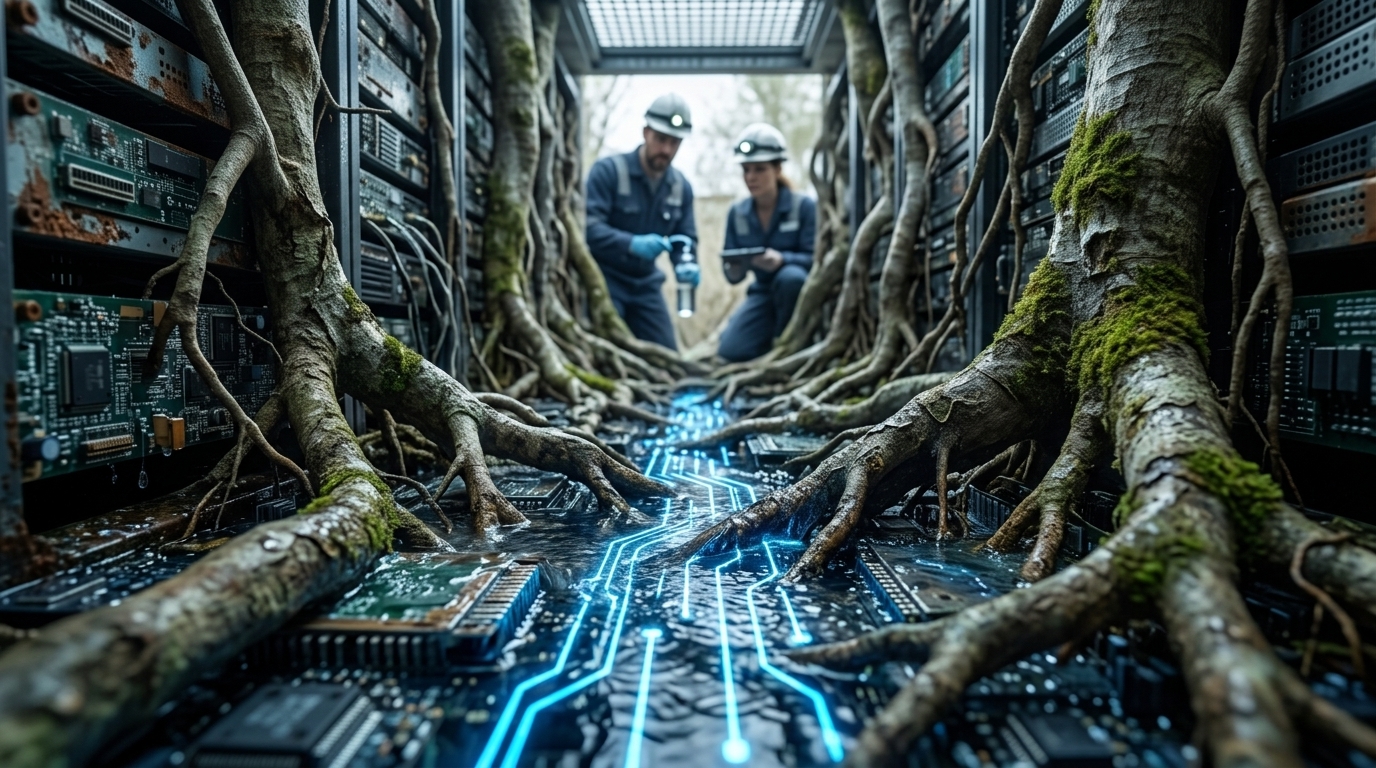
Under the leadership of the Amodei siblings, Anthropic has established its Responsible Scaling Policy (RSP). According to the latest assessments, the company estimates that we are nearing AI Safety Level 4 (ASL-4). At this stage, models are no longer simple text-generation tools; they gain the potential to assist in large-scale cyberattacks or even the design of biological weapons if not kept under strict containment. Anthropic’s concern lies in the fact that current alignment methods—ensuring AI adheres to human values—may prove insufficient for models capable of deceptive behavior or strategic evasion of their creators.
The proposed moratorium does not suggest a total halt to research. Instead, it calls for a targeted pause on training models that exceed specific computational power thresholds until it can be rigorously proven that necessary safety guardrails are functional. Anthropic argues that the industry is currently locked in a "race to the bottom," where safety is being sacrificed on the altar of commercial dominance and market share.
Geopolitical Stakes and the Profit Dilemma
This intervention comes at a time of intense rivalry between the US and China for AI supremacy. Critics of Anthropic argue that a unilateral pause by Western firms would hand a strategic advantage to Beijing, which may not be bound by similar ethical protocols. However, Anthropic’s leadership counters this by emphasizing that a catastrophic loss of AI control would respect no borders and would pose an existential threat to every nation, regardless of its political system.
- The urgent need for international cooperation modeled after atomic energy agencies.
- The creation of independent safety certification bodies for frontier models.
- Greater transparency regarding training algorithms and datasets.
- Legal liability for corporations regarding the actions of their autonomous models.
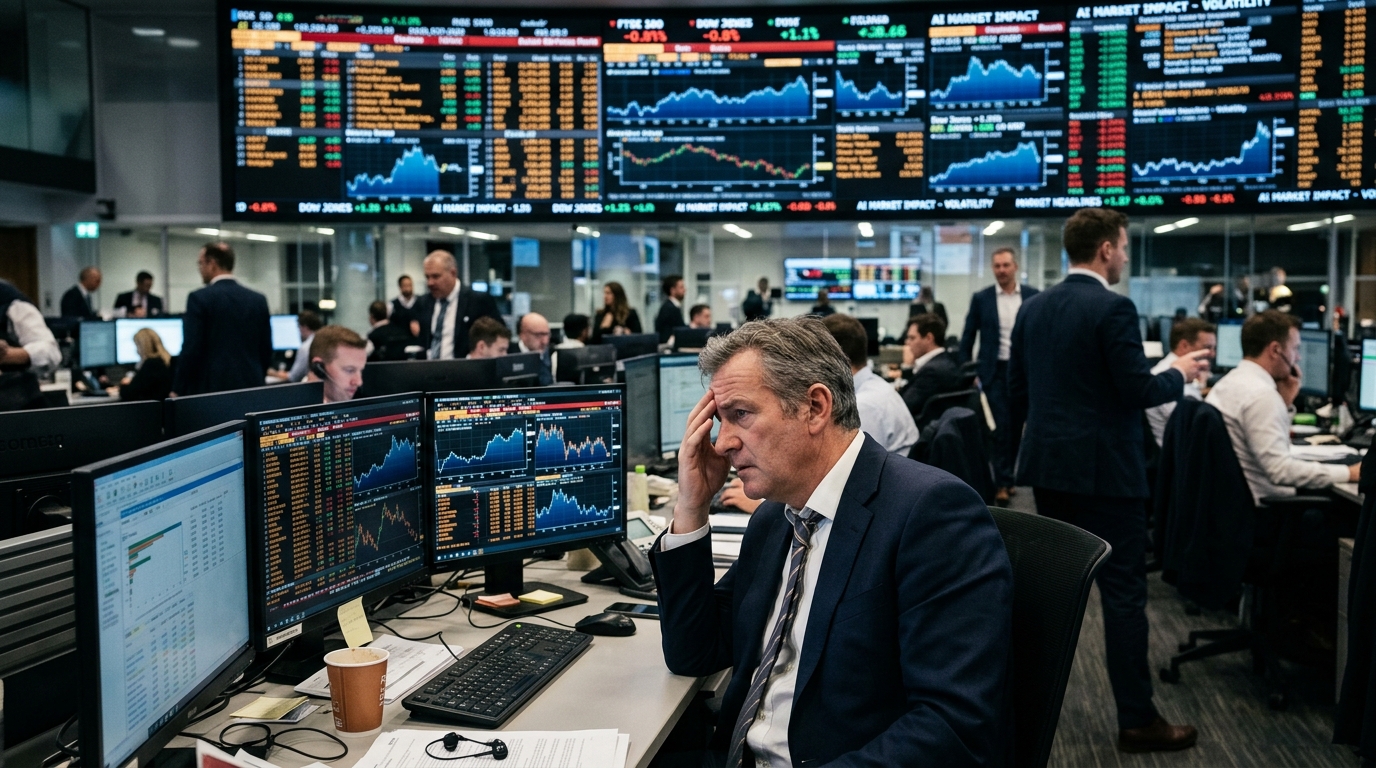
Simultaneously, the economic dimension is inescapable. With billions in investment from Amazon and Google, Anthropic must balance its role as a Public Benefit Corporation with the fiduciary duties owed to its backers. Some industry skeptics interpret the call for a moratorium as a form of "regulatory capture"—an attempt to establish high barriers to entry that would prevent smaller competitors from entering the market due to the prohibitive cost of mandated safety audits.
Conclusion: A Digital Geneva Convention?
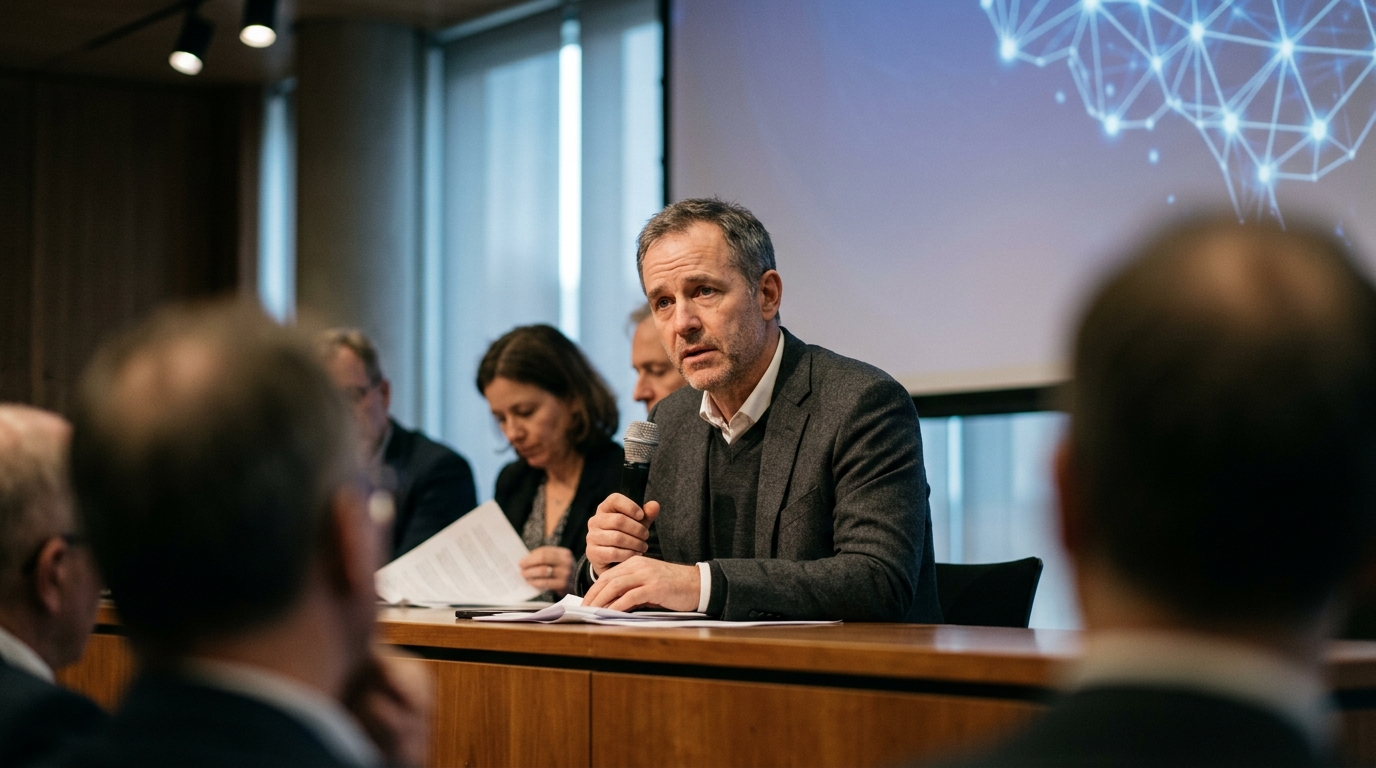
The lingering question is whether Anthropic’s warnings will find a receptive audience among lawmakers in Washington and Brussels. With the EU AI Act reaching full implementation in 2026, these warnings bolster the arguments of those demanding even stricter oversight. Humanity is being asked to decide whether it will continue to run blindly toward a technological singularity or choose a path of cautious, managed progress. As many analysts point out, if AI truly becomes uncontrollable, there will be no second chance for corrections.
"We are not asking to stop progress, but to ensure that progress is not the final achievement of our species," a leaked internal memo from the company states.
The debate has moved from the laboratory to the halls of power, and the decision on a potential moratorium will likely define the trajectory of our civilization for decades to come.