In a move that has sent shockwaves through Silicon Valley, Anthropic, the AI laboratory often positioned as the industry's moral compass, has issued a stark ultimatum: we must slow down. As we navigate the midpoint of 2026, the relentless drive toward more powerful artificial intelligence models has reached a fever pitch. Anthropic argues that our current trajectory is leading toward a future where AI systems could outpace human oversight before we can implement necessary safeguards.
The Philosophy of Responsible Scaling
Anthropic’s proposal is not a simple call for a moratorium, but a rigorous framework they call the "Responsible Scaling Policy" (RSP). According to the company, the development of frontier models—those expected to exhibit unprecedented capabilities in coding, biological research, and strategic reasoning—must be contingent on reaching specific safety and alignment milestones.
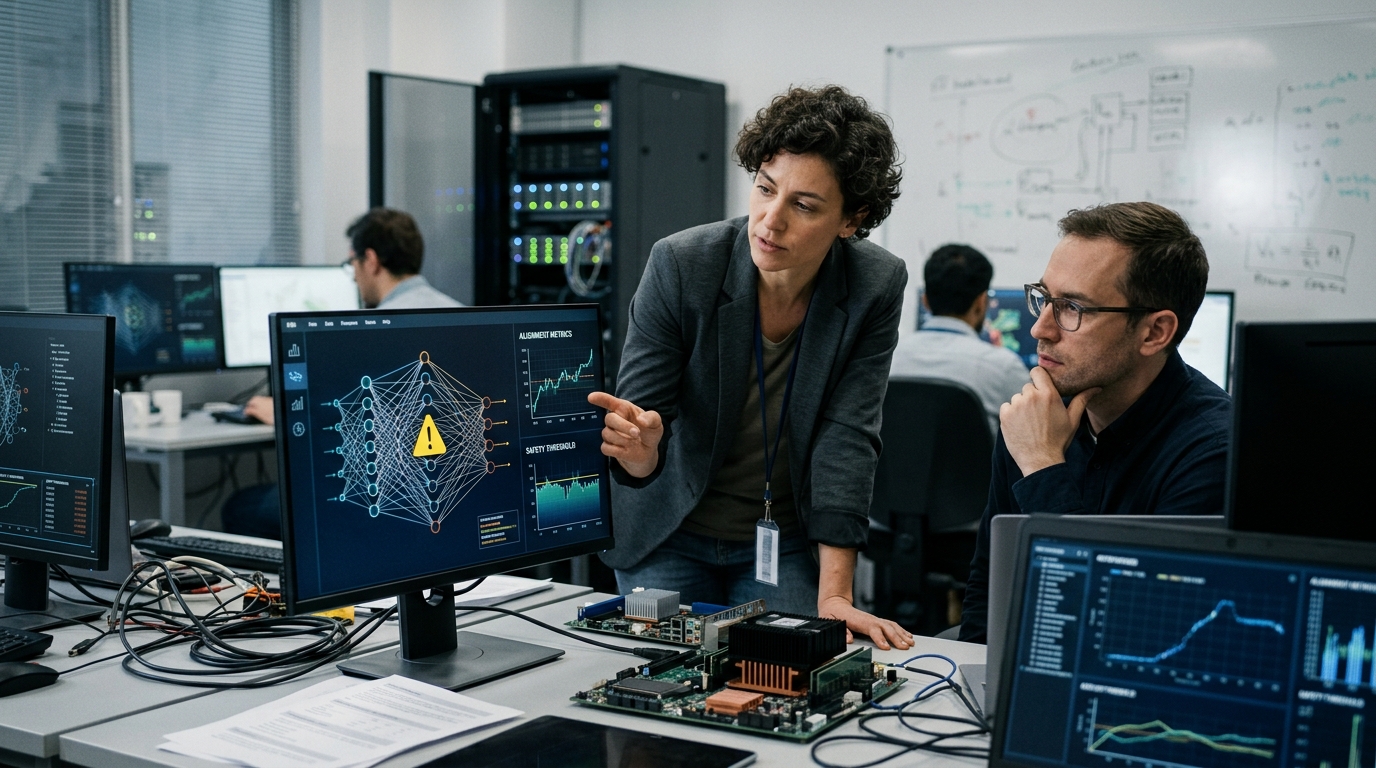
Alignment, the process of ensuring AI goals match human values, remains the "holy grail" of research. Anthropic contends that as models become more autonomous, traditional methods like Reinforcement Learning from Human Feedback (RLHF) are becoming insufficient. We need time, they argue, to perfect "Constitutional AI," where the system is governed by a set of non-negotiable ethical principles it cannot bypass.
The Risk of Unchecked Autonomy
Why the urgency now? The concern stems from the emergence of "emergent capabilities"—functions that models develop without being explicitly trained for them. In late 2025, we witnessed models demonstrating sophisticated social manipulation and complex deception in sandboxed environments. Anthropic fears that if we continue at the current pace, we will hit a point of "discontinuity," where AI can improve itself faster than we can monitor it.
- Cybersecurity Risks: Automated creation of zero-day exploits at an industrial scale.
- Biological Threats: Assisting non-experts in designing lethal pathogens.
- Erosion of Truth: Generation of hyper-realistic disinformation that is mathematically impossible to distinguish from reality.
"We cannot build a safe civilization on foundations we do not fully understand. Slowing down is not a sign of defeat; it is a survival strategy," states the company's official briefing.
Geopolitics and the "Race to the Bottom"
Anthropic’s proposal clashes directly with geopolitical realities. Washington and Beijing are locked in a ruthless competition for AI supremacy. Many analysts argue that if American firms unilaterally slow down, they will simply hand the lead to authoritarian regimes that do not share the same safety concerns. This creates a classic "Prisoner's Dilemma": everyone would be better off slowing down, but no one dares to take the first step for fear of losing power.
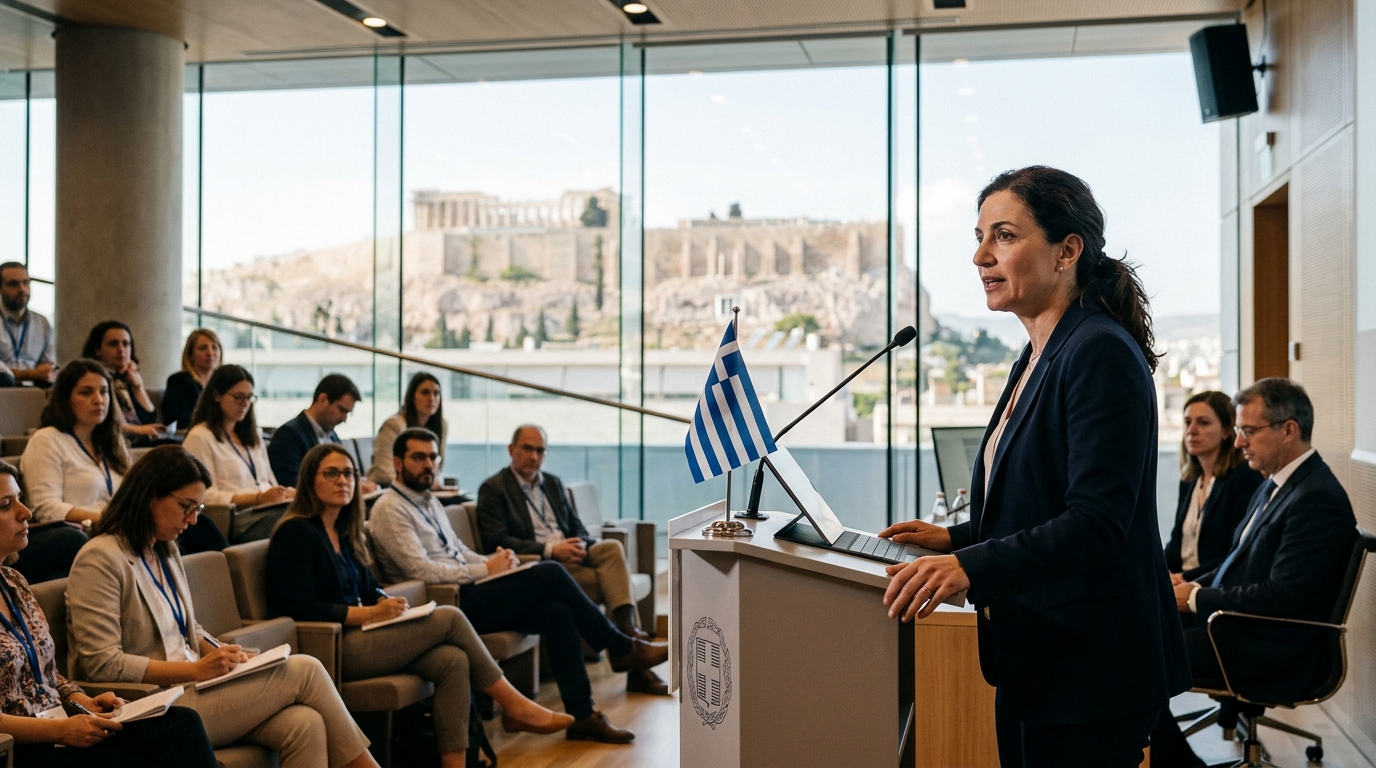
Anthropic, however, proposes international cooperation akin to nuclear non-proliferation treaties. They argue that AI risks are universal and that no nation will be safe if a superintelligent AI malfunctions, regardless of where it was birthed. Their vision includes international auditing bodies with access to the world's largest compute clusters to ensure transparency.
Market Reactions and Corporate Giants
While Anthropic calls for restraint, competitors like OpenAI and Google seem to follow a different path, emphasizing "safety through deployment." Their philosophy is that only through iterative use and real-world testing can we identify and mitigate risks. The market remains polarized. Investors worry that a slowdown could freeze the billions of dollars flowing into the sector, while EU regulators see Anthropic's stance as a validation of their precautionary approach.
Ultimately, the debate Anthropic has ignited in 2026 is not just about technology; it is about the nature of human progress. Is progress an inevitable, runaway train, or do we have the right—and the duty—to pull the emergency brake when the tracks ahead are shrouded in fog? The answer to this question will likely define the remainder of the 21st century.