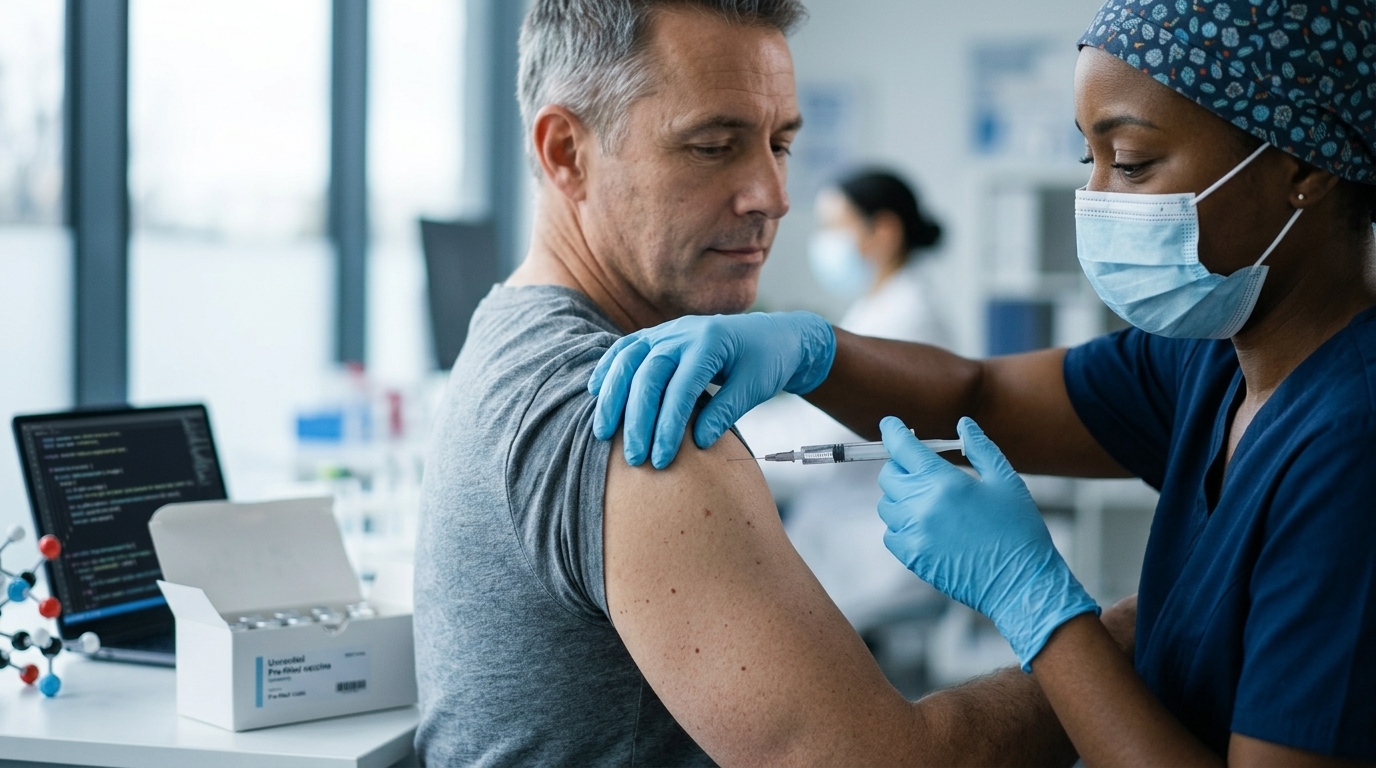
At the dawn of a new era for public health, artificial intelligence is ceasing to be merely a data processing tool and is transforming into the architect of our biological defense. The recent news regarding the commencement of human clinical trials for the first vaccine designed entirely with the aid of AI by the University of Cambridge is not just a scientific success; it is a radical paradigm shift. For the first time, humanity is not simply reacting to a threat that has already broken out, but is attempting to preempt it, building a digital and biological 'shield' against future pathogens.
The Computational Biology Revolution
The vaccine, developed by DIOSynVax — a spin-out company from the University of Cambridge — utilizes advanced algorithms to predict how viruses might mutate in the future. Traditional vaccine development often relies on isolating an existing virus and weakening it or using parts of it (such as the spike protein in the case of COVID-19). However, viruses mutate rapidly, rendering vaccines less effective over time.
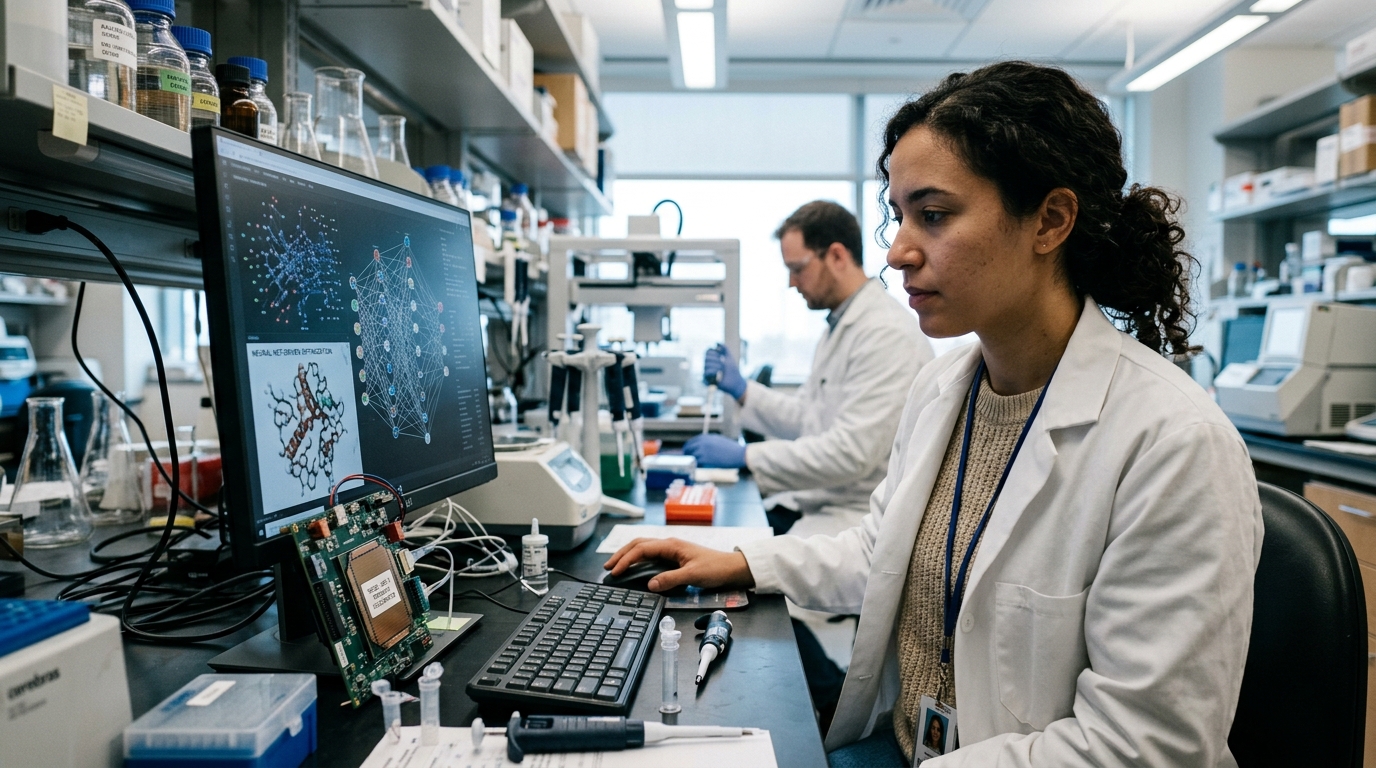
Professor Jonathan Heeney’s team has taken a different approach. Using artificial intelligence, they analyzed the genetic sequences of hundreds of coronaviruses and other pathogens, identifying 'vulnerabilities' that remain constant despite mutations. These 'conserved' parts of the virus are the targets of the new vaccine. The AI didn't just design a vaccine for the current virus, but a 'pan-coronavirus' agent aimed at protecting against entire families of viruses, including those that could cause the next pandemic.
From the Lab to Clinical Trials
Phase 1 of the clinical trials, taking place at the NIHR Cambridge Clinical Research Facility, focuses on the safety and immunogenicity of the DIOS-CoVax vaccine. Volunteers receive the vaccine not via a conventional needle, but through a needle-free injection system that uses air pressure to push the formulation through the skin. This method not only reduces pain but is also thought to better activate the immune cells in the skin.
- Mutation Prediction: AI analyzes trillions of possible combinations to find the most stable parts of the virus.
- Broad Protection: The goal is a vaccine covering SARS-CoV-2, MERS, and future related viruses.
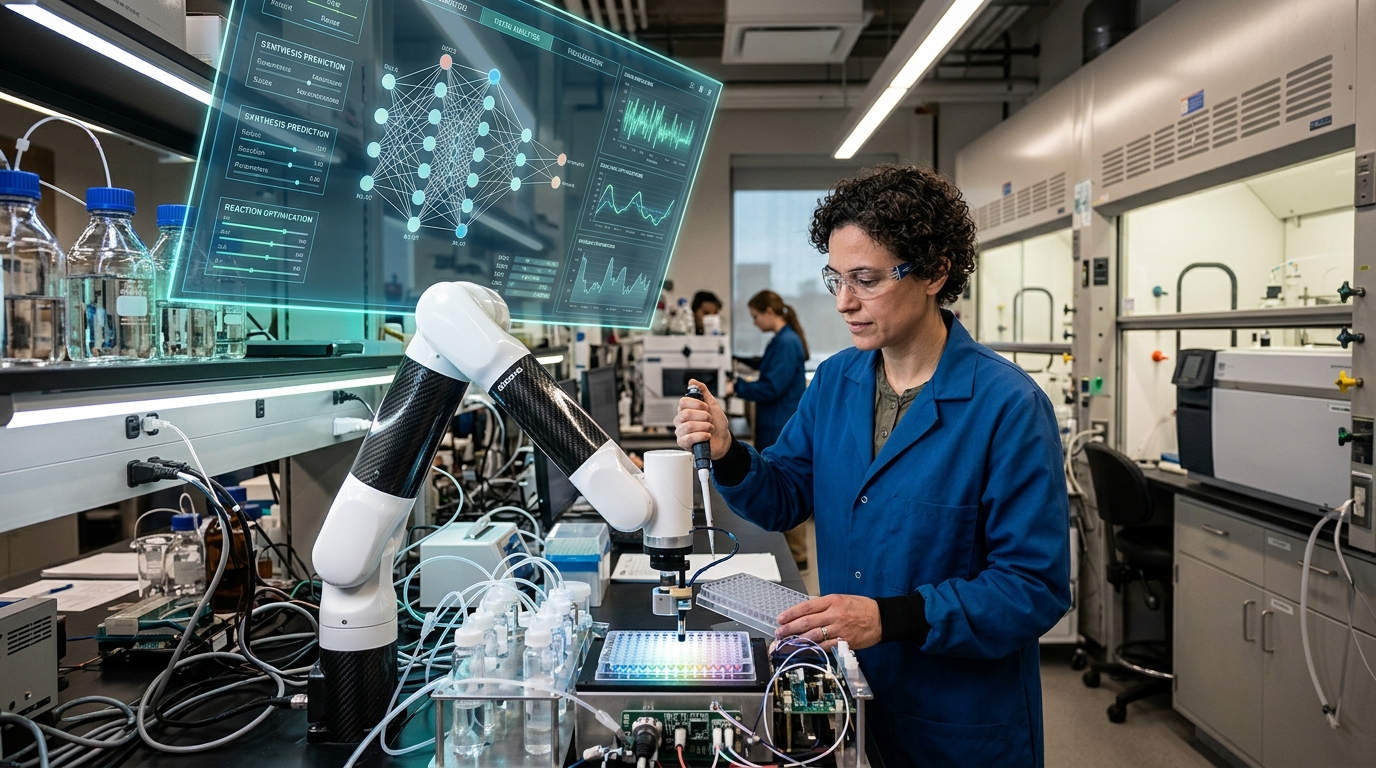
- Development Speed: Digital simulation reduces years of laboratory testing into months.
The significance of this trial extends far beyond the coronavirus. If the methodology proves successful, it could be applied to influenza, HIV, and even certain forms of cancer. AI's ability to process vast amounts of biological data allows scientists to see the 'invisible,' mapping the evolutionary path of pathogens before they even traverse it.
Challenges and Ethical Questions
Despite the excitement, the path to widespread use is not without obstacles. The complexity of biological systems means that AI predictions must be rigorously verified in practice. There is always the risk that AI might create a model that looks perfect 'on paper' (in silico) but fails to elicit the desired response in the human body. Furthermore, relying on proprietary algorithms to create public goods like vaccines raises questions about transparency and intellectual property.
"We are not just looking for the next vaccine, but for a new method of vaccine production that will allow us to stay one step ahead of nature," the research team states.
In conclusion, the Cambridge experiment marks the transition from 'reactive' medicine to 'proactive' biotechnology. In a world increasingly vulnerable to zoonotic diseases due to climate change and globalization, artificial intelligence may prove to be our most valuable ally for the survival of the species.