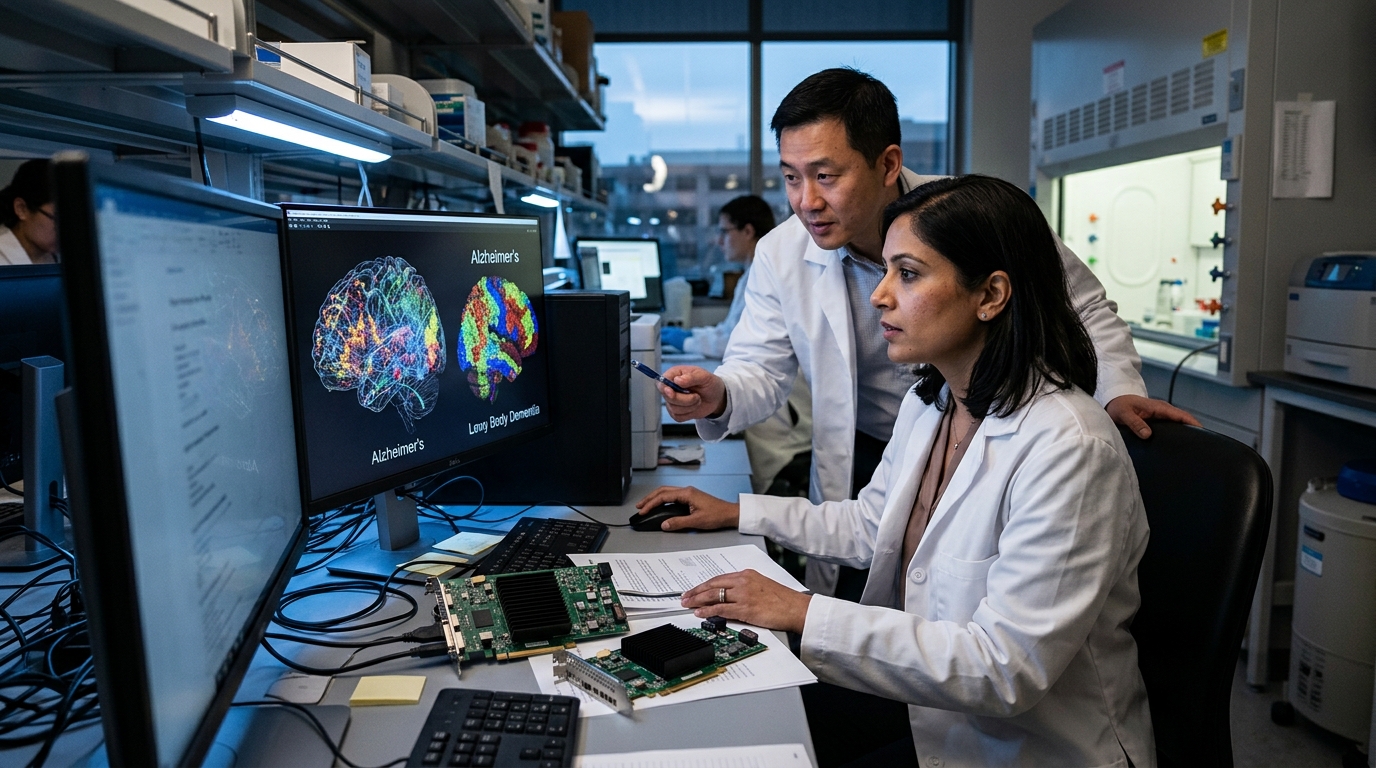
The diagnosis of dementia has long been one of the most formidable challenges in modern neurology. It is not a single disease, but a complex syndrome encompassing a wide range of conditions, from Alzheimer’s disease and vascular dementia to Lewy body dementia and frontotemporal degeneration. Often, the symptoms of these conditions overlap significantly, leading to misdiagnoses that delay appropriate treatment and care. However, a new study has unveiled an artificial intelligence (AI) tool that promises to redefine the field, allowing clinicians to distinguish between dementia subtypes with unprecedented precision.
The Clinical Riddle of Differential Diagnosis
In clinical practice, distinguishing between different forms of dementia traditionally relies on a combination of cognitive assessments, magnetic resonance imaging (MRI), and, in some cases, invasive procedures like lumbar punctures. Despite the expertise of specialists, misdiagnosis rates remain alarmingly high, particularly in the early stages of the disease. The importance of an accurate diagnosis is far from academic; it is critical for patient management. For instance, certain medications prescribed for Alzheimer’s can cause severe adverse reactions in patients with Lewy body dementia, while the prognosis and support systems required vary radically depending on the underlying etiology of cognitive decline.
The new AI model, developed by an international team of researchers, was trained on vast datasets comprising thousands of clinical cases. Rather than focusing on a single biomarker, the system utilizes multimodal analysis, integrating data from brain imaging, genetic profiles, and detailed behavioral records. The ability of machine learning to detect subtle patterns that elude the human eye is the cornerstone of this technological breakthrough.
How Machine Learning Deciphers the Brain
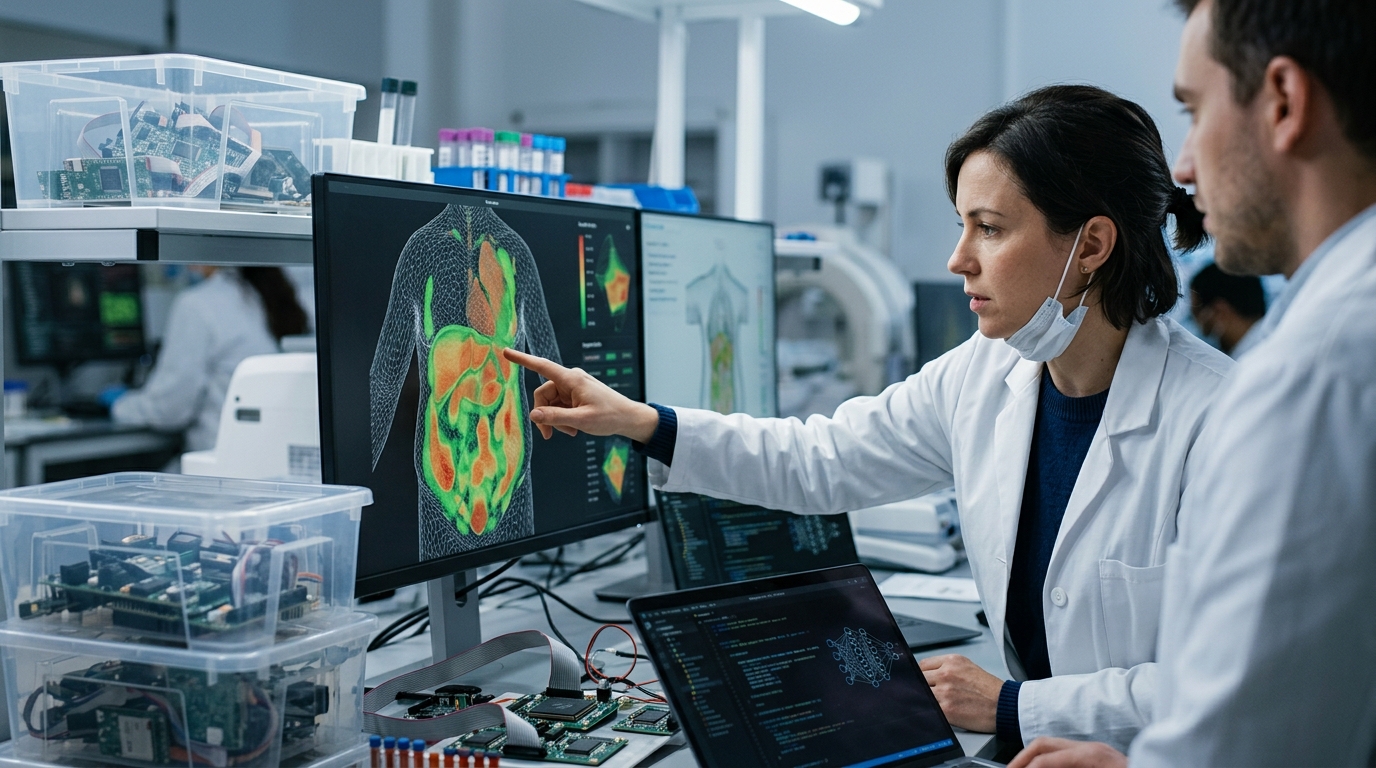
The technology powering this tool is based on Deep Neural Networks, which are capable of processing 3D brain scans to identify specific regions of atrophy corresponding to different dementia types. In Alzheimer’s disease, atrophy typically begins in the hippocampus, whereas in frontotemporal dementia, changes are concentrated in the frontal and temporal lobes. However, in many instances, these changes are so minute that they are difficult to quantify manually.
- Automated Segmentation: The AI can measure the volume of specific brain structures with millimeter precision.
- Texture Analysis: The system examines the "texture" of gray matter, identifying changes in microstructure before they manifest as visible atrophy.
- Predictive Power: Beyond diagnosis, the tool can predict the rate of disease progression, helping families plan for the future.
According to the researchers, the tool achieved accuracy rates exceeding 90% in distinguishing between Alzheimer’s and other forms of dementia—a result considered a "gold standard" for digital health. This level of precision could drastically reduce the need for expensive and invasive tests, making high-quality diagnostics accessible to a broader segment of the population.
Ethical Considerations and the Future of Care
Despite the excitement, the introduction of AI into clinical neurology is not without its hurdles. One of the primary concerns is the "black box" nature of certain algorithms. Clinicians must be able to understand why the AI reached a specific diagnosis to trust it and communicate it effectively to the patient. Transparency and model interpretability remain top priorities for the scientific community to ensure clinical validity and ethical application.
"Artificial intelligence is not going to replace the neurologist; rather, it will provide them with a powerful microscope to see what has been invisible until now," stated one of the study's lead authors.
As global populations age, the integration of such tools into national healthcare systems could yield immense benefits. Early diagnosis allows for the implementation of non-pharmacological interventions, such as cognitive stimulation and lifestyle modifications, which have proven effective in slowing symptom progression. Furthermore, accurate patient categorization is essential for participation in clinical trials for new drugs, which often target specific pathological mechanisms.
In conclusion, the advent of AI in dementia diagnosis marks the beginning of a new era in precision medicine. As algorithms become more sophisticated and datasets more diverse, the vision of an early, painless, and perfectly accurate diagnosis is nearing reality, offering dignity and hope to millions of individuals and their families worldwide.