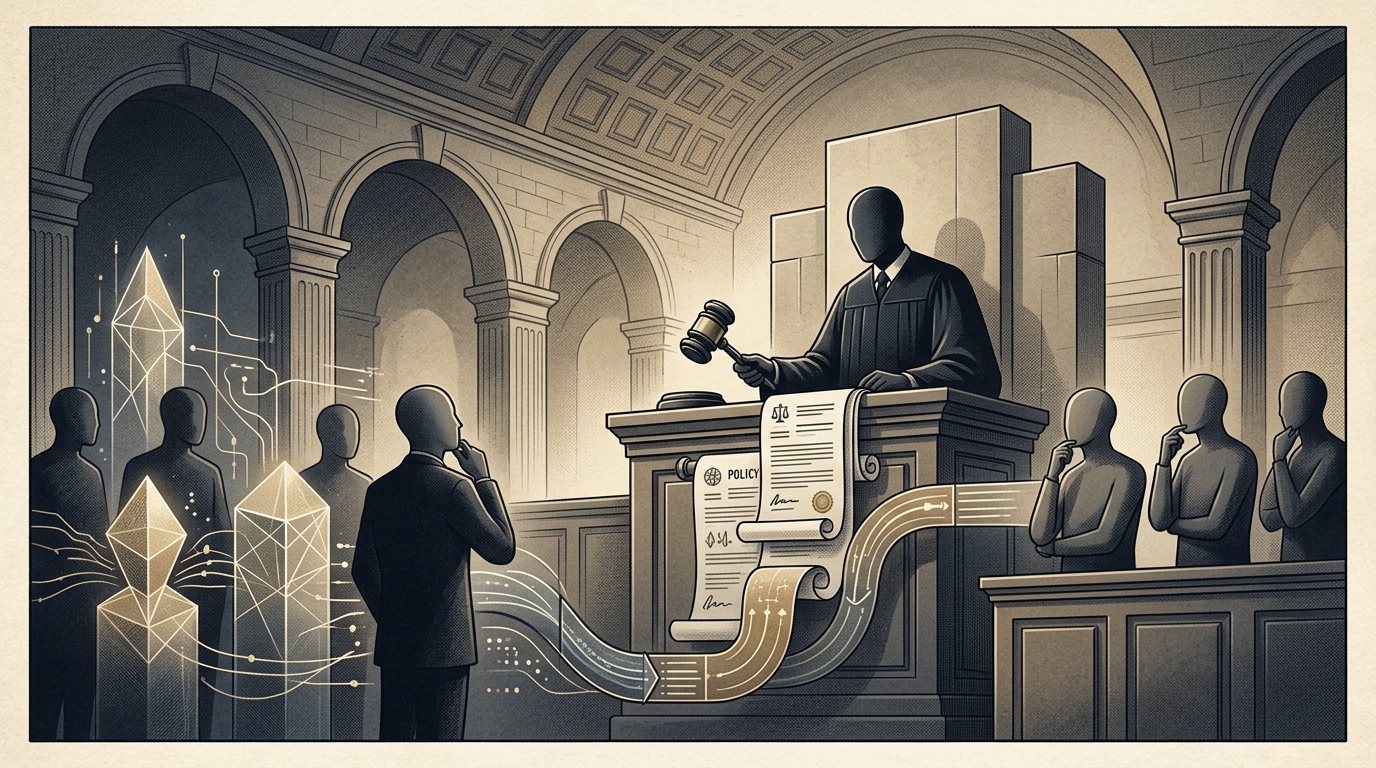
As we navigate the first half of 2026, the conversation surrounding Artificial Intelligence (AI) has shifted from initial excitement over model capabilities to the urgent need for a robust legal framework. The recent introduction of a federal bill in the U.S. Congress marks a critical turning point in the history of Silicon Valley. The bill, focusing on "tech company accountability," seeks to end the era of unchecked growth by demanding that tech giants take responsibility for the "hallucinations," biases, and societal disruptions caused by their creations.
The Anatomy of Accountability: What the New Framework Entails
The proposed bill is not merely a list of recommendations but an enforcement mechanism targeting the core operations of AI laboratories. A central pillar of the legislation is the requirement for total transparency regarding training data. Companies will be obligated to disclose their data sources, ensuring that copyrights are not infringed and that data does not contain systemic biases that could lead to unfair decisions in sectors such as hiring, lending, or criminal justice.
Furthermore, the bill introduces the concept of "third-party safety audits." Before the release of any large-scale model, independent bodies must certify that the system has undergone exhaustive testing (red-teaming) to prevent the production of harmful content or cyber-warfare tools. This move is seen as necessary, as the self-regulation promised by companies in 2024 and 2025 proved insufficient in the face of competitive pressure and the drive for profitability.
The End of Immunity: Re-examining Section 230
The most contentious issue addressed by the bill is the modification of the famous Section 230 of the Communications Decency Act. For decades, this section protected platforms from legal liability for content posted by their users. However, AI is not just a "conduit" of information; it is a creator. When a chatbot generates a defamatory statement or dangerous medical advice, the question remains: who is at fault?
"Artificial Intelligence is not a passive mirror of society, but an active shaper of reality. The legal immunity that applied to the internet of 1996 cannot cover the generative intelligence of 2026," states one of the bill's sponsors.
The proposed legislation clarifies that companies will be held legally responsible for content generated by their models if it is proven that they failed to implement necessary safeguards. This has caused waves of concern among investors, as the cost of potential litigation could run into billions of dollars, radically altering the business model of AI development.
Industry Reaction and Global Impact
Reactions from Silicon Valley have been immediate and polarized. While some companies, such as Anthropic, have expressed cautious support for safety-oriented measures, other players argue that excessive regulation will stifle innovation and give an advantage to geopolitical rivals like China. The "national security" argument is frequently used as a shield against strict limitations.
However, the international community is watching closely. With the European Union already having implemented its AI Act, the U.S. move toward a similar direction could lead to a global harmonization of rules. This would make it easier for multinational corporations to comply with a single set of standards, rather than navigating a thicket of different national laws. Accountability is no longer an option but a prerequisite for the industry's sustainability.
Conclusions: The Social Contract of the Digital Age
The federal AI accountability bill represents more than just a legislative act; it is an attempt to renegotiate the social contract between the tech elite and the general public. In a world where algorithms influence elections, the economy, and mental health, the demand for responsibility is the minimum requirement. The success of this bill will depend on lawmakers' ability to balance the protection of citizens with the preservation of the dynamism that makes AI the most transformative technology of our century.