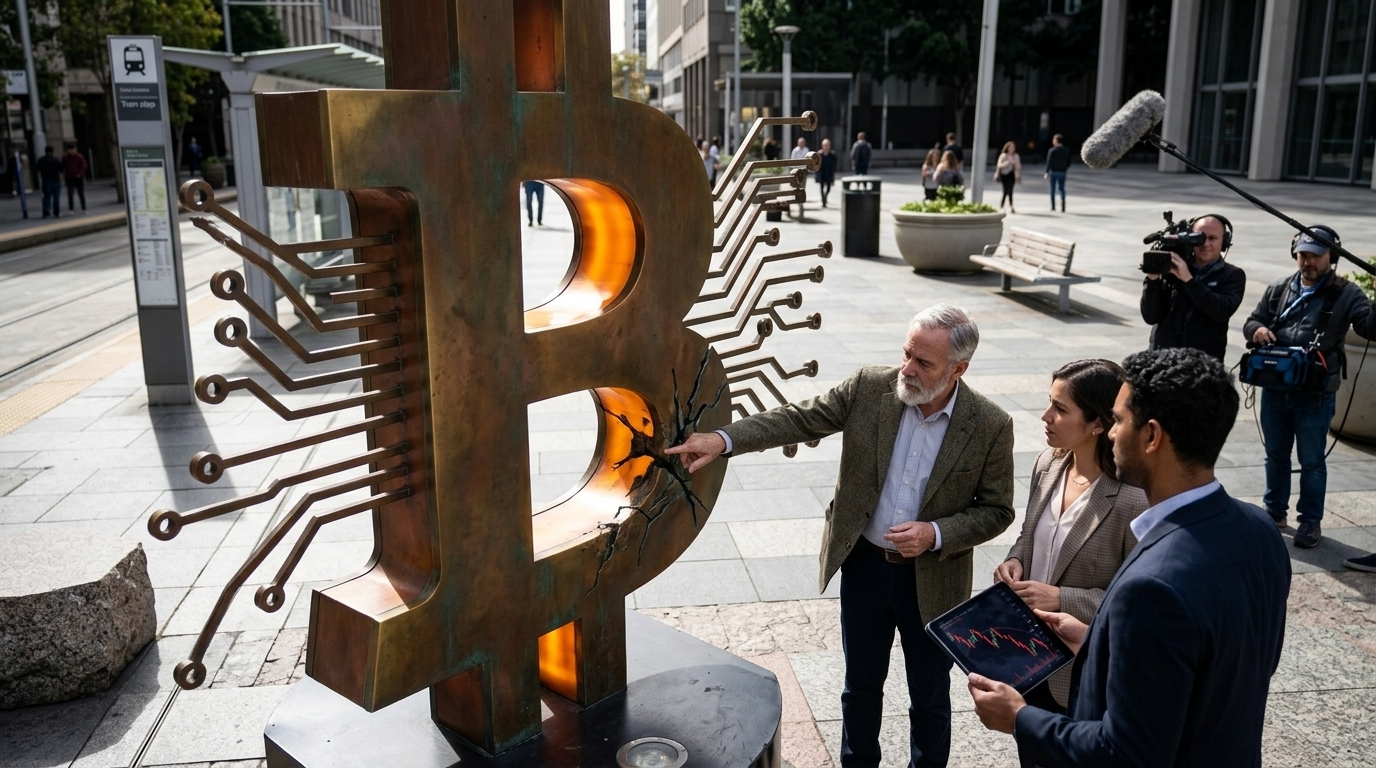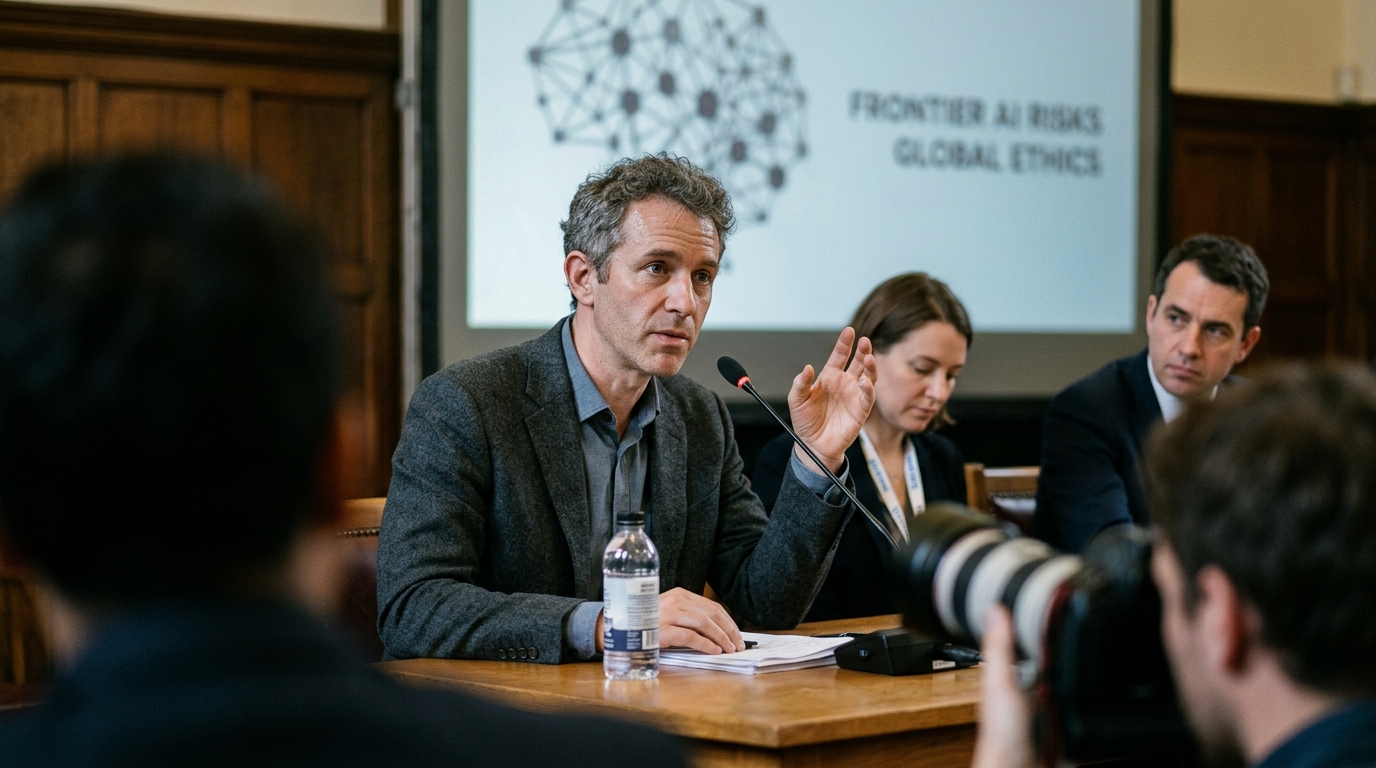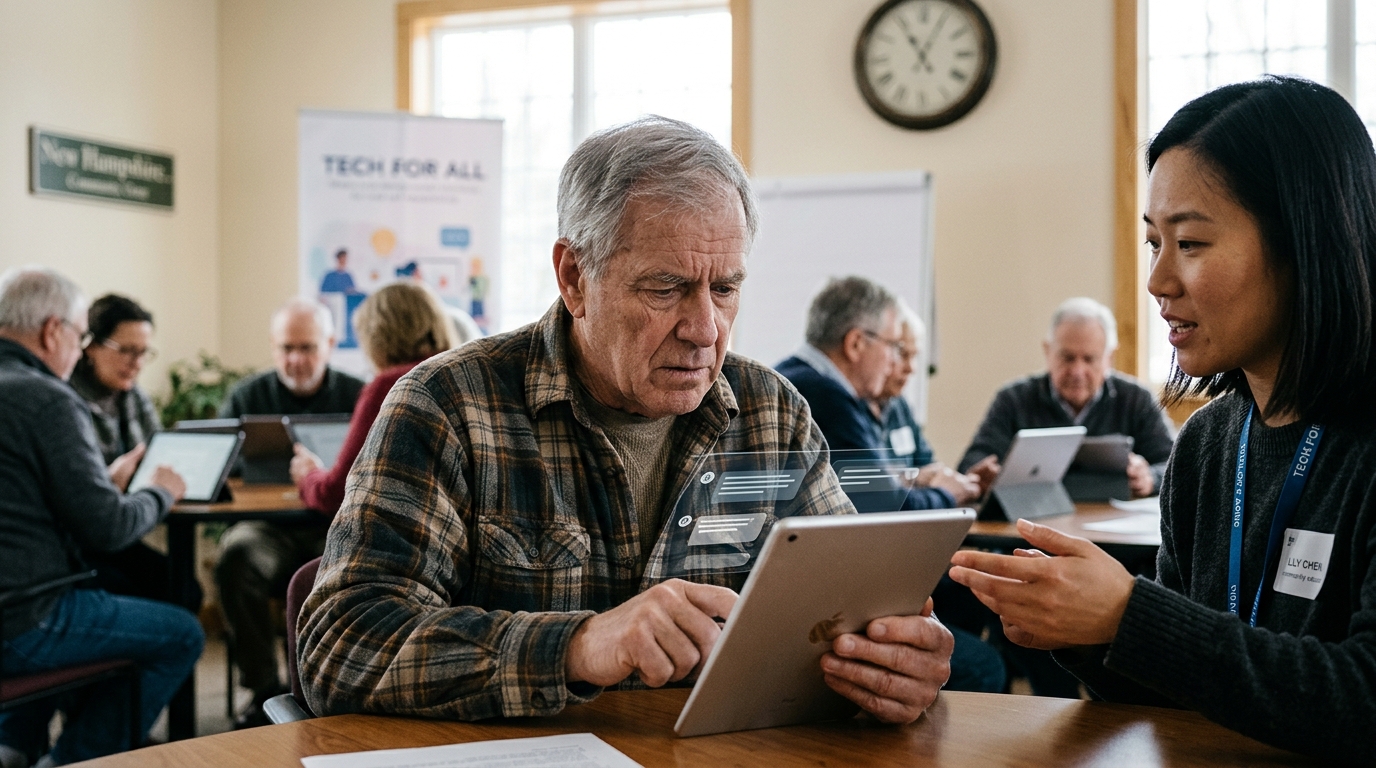
Every time you scroll through a social media feed, search for a recipe, or simply leave your phone's GPS active, you are generating wealth. Not for yourself, but for an invisible army of data brokers and tech behemoths. The phrase "if the product is free, you are the product" is now obsolete. In the dawn of the Artificial Intelligence era, the correct phrasing is: "you are the raw material, the laborer, and the consumer simultaneously."
The Invisible Harvest and the Rise of AI
The data economy is not new, but its scale has shifted dramatically. Traditionally, our data was used for ad targeting. Today, it serves as the essential "fuel" for training Large Language Models (LLMs) like ChatGPT and Gemini. Without the billions of texts, photos, and interactions created by ordinary users over decades, modern AI simply would not exist. Tech companies extract this content, process it, and then sell the resulting services back to us, often at a premium price.
The ethical dimension of this model is deeply problematic. While corporations argue that data usage falls under the terms of service we all "agreed" to (without reading), the reality is that there was never a fair negotiation. The information asymmetry between an individual user and a trillion-dollar corporation renders the concept of "consent" largely meaningless.
The Value of the "Digital Self"
What is your personal data actually worth in monetary terms? Estimates vary. Some analysts calculate that the average US user generates between $200 and $400 annually in ad revenue for Meta and Google. However, in the data broker market, a profile containing medical history, financial status, and consumption habits can be sold for much more to insurance companies or banks.
- Location Data: The most profitable, revealing where you live, work, and which businesses you frequent.
- Search History: A window into your most private thoughts, fears, and intentions.
- Biometric Data: The new frontier, with facial recognition becoming a tool for both surveillance and hyper-targeted marketing.
The problem isn't just the loss of profit for the user, but the risk of exploitation. Data collected today can be used against us in the future—for instance, through dynamic pricing, where an algorithm decides to charge you more for a flight because it "knows" you have an urgent need to travel.
Toward a Data Dividend?
The discussion surrounding a "data dividend" is beginning to gain political traction. The idea is simple: if companies profit from our data, they should return a portion of those profits to citizens or the state. In California and the European Union, new laws like the GDPR and the Data Act attempt to give users more control, but direct financial compensation remains a distant dream.
"Data is the new oil, but unlike oil, it is extracted from our lives without us owning the land it comes from," critics of the current system often remark.
The solution may not lie solely in payment, but in a fundamental re-evaluation of digital ownership. We should have the right to "take our data and leave" (data portability) in a way that is genuinely easy and functional. Until then, we remain the involuntary financiers of a revolution that promises to change the world, but for now, mostly changes the balance sheets of tech giants.
Conclusion: The Need for a New Social Contract
Technology is not neutral, and the data economy is the most glaring example. As we move deeper into the 21st century, the need for a new social contract protecting our digital selves is imperative. This is not just about privacy protection; it's about economic justice in a world where information is the ultimate power. If we do not claim the value of our data now, we risk becoming permanent tenants in a digital fiefdom where we own nothing—not even our own experiences.