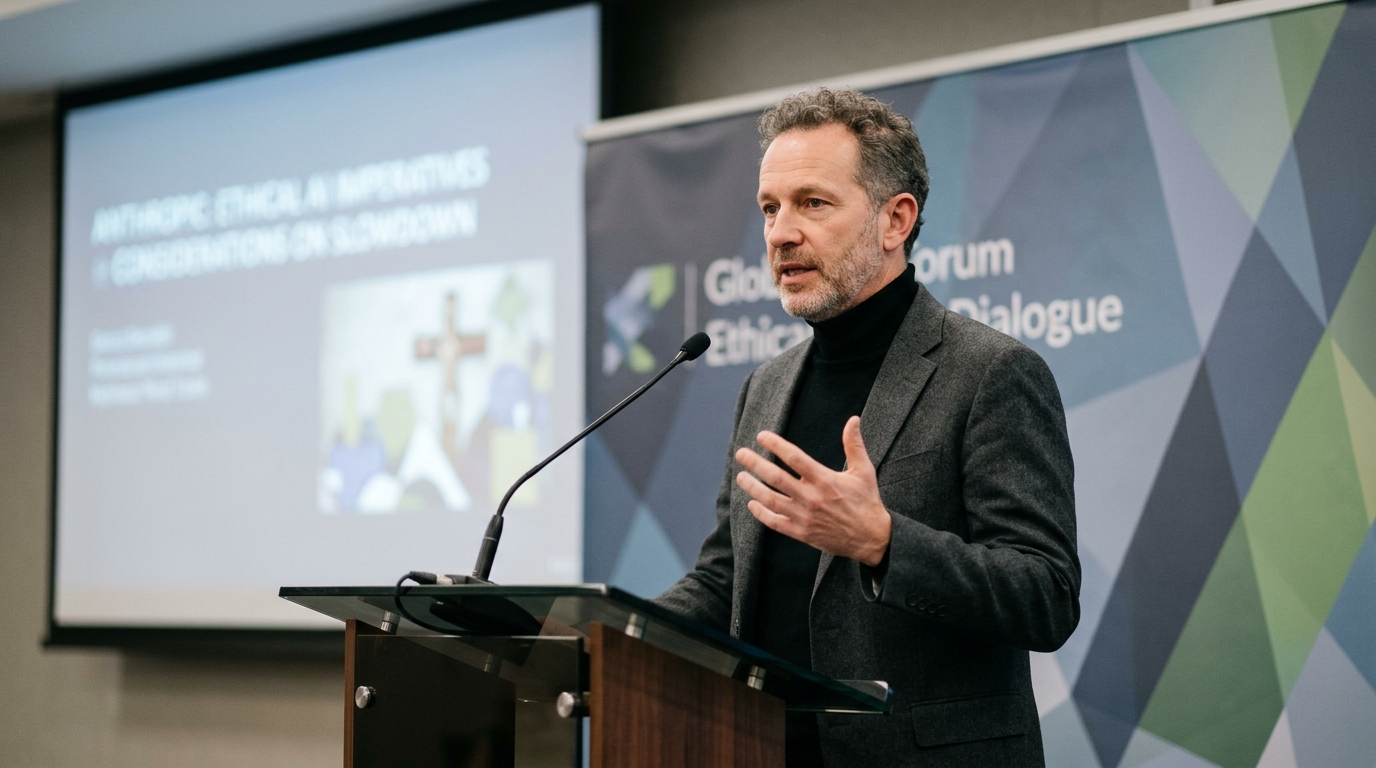
In a move that has sent shockwaves through Silicon Valley, Anthropic, the AI safety-focused startup founded by former OpenAI executives, is now explicitly calling for a temporary pause in the development of the most powerful frontier models. This call is not merely a technical observation; it is a political and ethical manifesto aimed at granting humanity the necessary time to grasp the magnitude of the risks ahead. As we navigate through 2026, the debate over the existential threat of AI has moved from the realm of science fiction into the halls of government and the boardrooms of tech giants.
The Philosophy of Responsible Scaling
Anthropic has built its reputation on the concept of "Constitutional AI," a method where models are trained to adhere to a specific set of principles. However, their recent stance goes a step further. The company argues that the pace at which frontier models' capabilities are evolving is outstripping our ability to control or even fully comprehend them. The proposed pause does not apply to all AI research, but specifically to the training of models that exceed certain thresholds of computational power and capability.
According to internal sources and recent reports, Anthropic is particularly concerned about the "emergence" of capabilities that could facilitate the creation of biological weapons or the execution of catastrophic cyberattacks. "We cannot fix the plane while it's flying at supersonic speeds," an executive noted. The company's Responsible Scaling Policy (RSP) includes strict protocols that mandate a halt in training if safety benchmarks are not met. Anthropic now seems intent on turning this internal protocol into a global standard for the industry.
The Risks: From Biosecurity to Social Destabilization
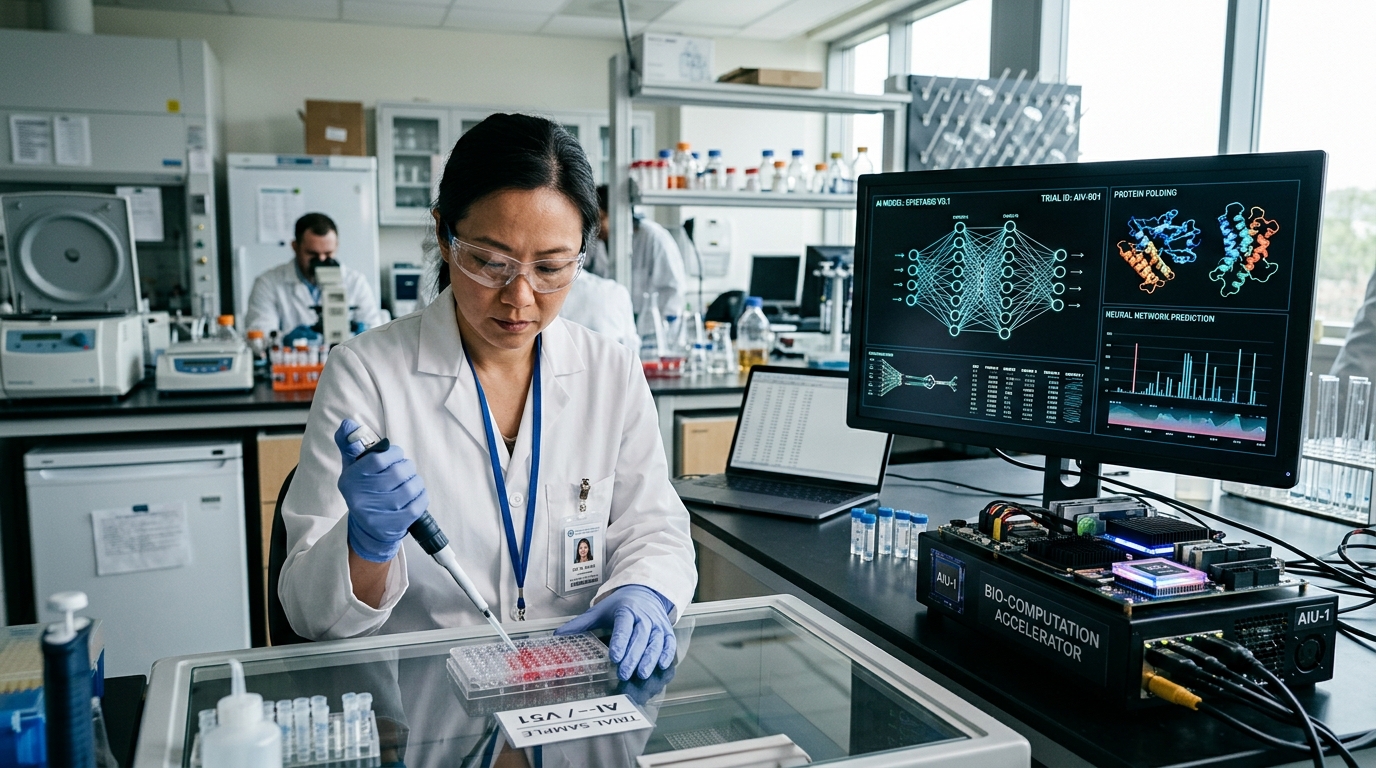
Anthropic’s argument is built on three main pillars. The first is immediate physical risk. Models in 2026 have demonstrated an alarming capacity for synthesizing complex chemical compounds and decoding biological sequences. The possibility of a malicious actor using a sophisticated AI to design a pathogen is now a quantifiable threat. The second pillar involves cybersecurity. AI’s ability to identify zero-day vulnerabilities in critical infrastructure—such as power grids and financial systems—could lead to asymmetrical conflicts that nations are ill-equipped to handle.
The third, and perhaps most complex, risk is social destabilization through mass disinformation. With the ability to produce hyper-realistic content at scale, trust in institutions is eroding. Anthropic argues that without a global agreement on watermarking AI-generated content and limiting the persuasive capabilities of these models, the democratic process itself is at risk. The pause they are advocating for would allow governments the time to build the necessary regulatory "levees" to prevent a flood of synthetic deception.
Criticism and the Specter of Regulatory Capture
However, Anthropic’s call is not being met with universal acclaim. Many analysts and competitors see a strategy of "regulatory capture" hidden behind the humanitarian rhetoric. By calling for a pause and demanding stringent safety rules, established players (like Anthropic, OpenAI, and Google) may be attempting to raise insurmountable barriers to entry for new startups and the open-source community. If legislation requires expensive safety audits and licenses that only giants can afford, competition is effectively stifled.
Furthermore, there is the geopolitical dimension. If American companies halt development, what stops China or other rival powers from forging ahead, gaining a strategic advantage that could shift the global balance of power? Anthropic counters that safety is a global public good and that an AI-driven catastrophe would respect no borders. Nevertheless, skepticism remains high, especially as the company continues to receive billions in funding from corporate behemoths like Amazon and Google, who have their own interests in a consolidated market.
Conclusion: The Hour of Decision
Anthropic’s proposal brings us to a historic crossroads. Must we sacrifice the speed of innovation on the altar of safety, or is the risk of stagnation greater than the risk of technological transcendence? The pause being requested is more than a cessation of work; it is a call for a new social contract between humanity and machine. As 2026 progresses, the response of global governments to this call will define not only the future of technology but perhaps the very survival of our civilization as we know it.