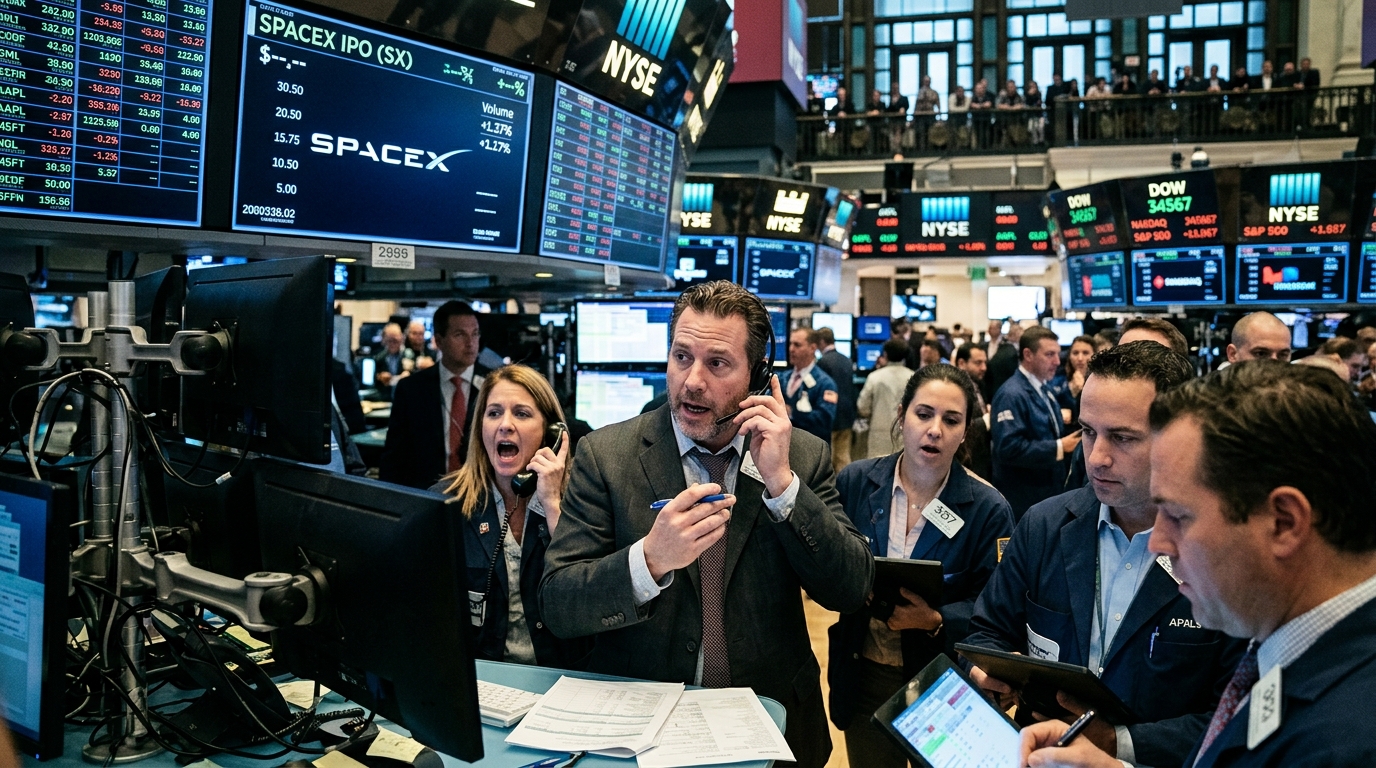
In a move that highlights the deep divide between global capital markets and national security, Elon Musk's SpaceX is proceeding with one of the most talked-about Initial Public Offerings (IPOs) in aerospace history, while imposing an unprecedented condition: the absolute exclusion of capital from China and Hong Kong. This decision, concerning a $75 billion offering, is not merely a corporate choice but a clear reflection of the new "Cold War" being fought in Earth's orbit and high-tech laboratories.
The Strategic Importance of SpaceX and National Security
SpaceX is no longer just a private rocket company. It has transformed into a critical pillar of the United States' defense infrastructure. Through the Starshield program and continuous collaboration with the Pentagon, the company manages technologies deemed "dual-use"—capable of serving both commercial and military purposes. The exclusion of Chinese investors comes in response to strict guidelines from the Committee on Foreign Investment in the United States (CFIUS) and ITAR (International Traffic in Arms Regulations) protocols.
According to Washington analysts, the participation of Chinese capital could provide Beijing with indirect access to sensitive data or, more importantly, a seat on the board of directors that would allow for influence over strategic decisions. SpaceX now serves as the primary carrier for American spy satellites, and maintaining the "purity" of its shareholder base is a prerequisite for retaining billions in government contracts.
Geopolitical Chess and Decoupling
This move represents another chapter in the process of "decoupling" between the world's two largest economies. While Tesla, Musk's other major venture, depends heavily on the Chinese market and its Shanghai factories, SpaceX is taking the exact opposite path. This duality highlights the challenges faced by modern tech giants: the need to balance global commercial expansion with geopolitical constraints.
Authorities in Beijing have already expressed their dissatisfaction, speaking of an "abuse of the concept of national security" aimed at restricting Chinese development. However, for SpaceX, the risk is too great. Losing the trust of the U.S. Department of Defense would be financially more painful than losing Chinese liquidity, especially at a time when demand for company shares from Western institutional capital is at historic highs.
Financial Implications and the "Clean Capital" Model
The decision to exclude such a massive pool of capital as China's could, in other cases, push a company's valuation down. But SpaceX is an exception. With Starlink dominating global satellite internet provision and Starship nearing full operational readiness, the company's attractiveness is undeniable.
- Oversubscription: It is expected that American and European funds will fill the gap without difficulty.
- Transparency: This move sets a precedent for other deep-tech companies looking to go public.
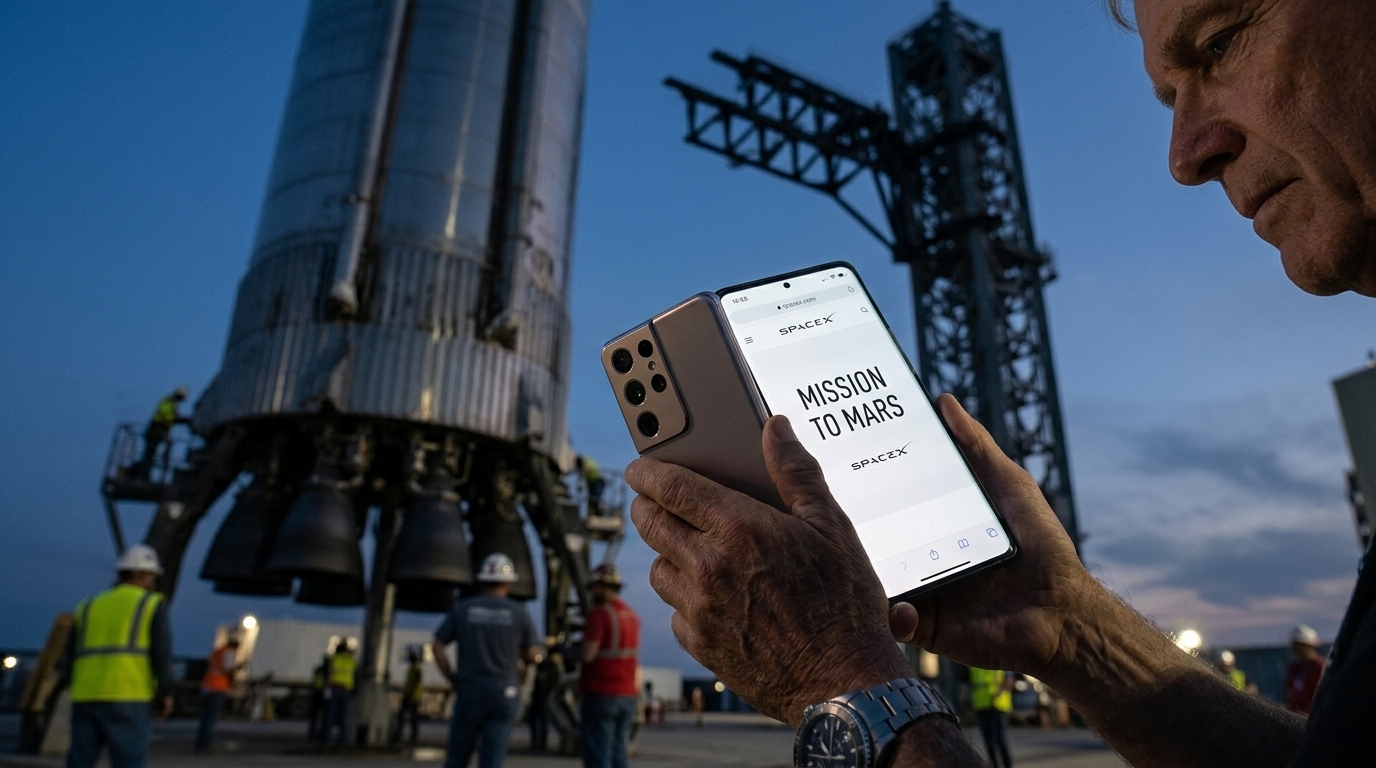
- Strategic Autonomy: SpaceX ensures its future path to Mars will not be hindered by diplomatic sanctions or trade wars.
In conclusion, the SpaceX IPO is not just a financial event; it is a declaration of sovereignty. In a world where technology is the new battleground, the choice of investors is as critical as the choice of technology. Musk seems to have understood that to conquer the stars, one must first secure their position on Earth.