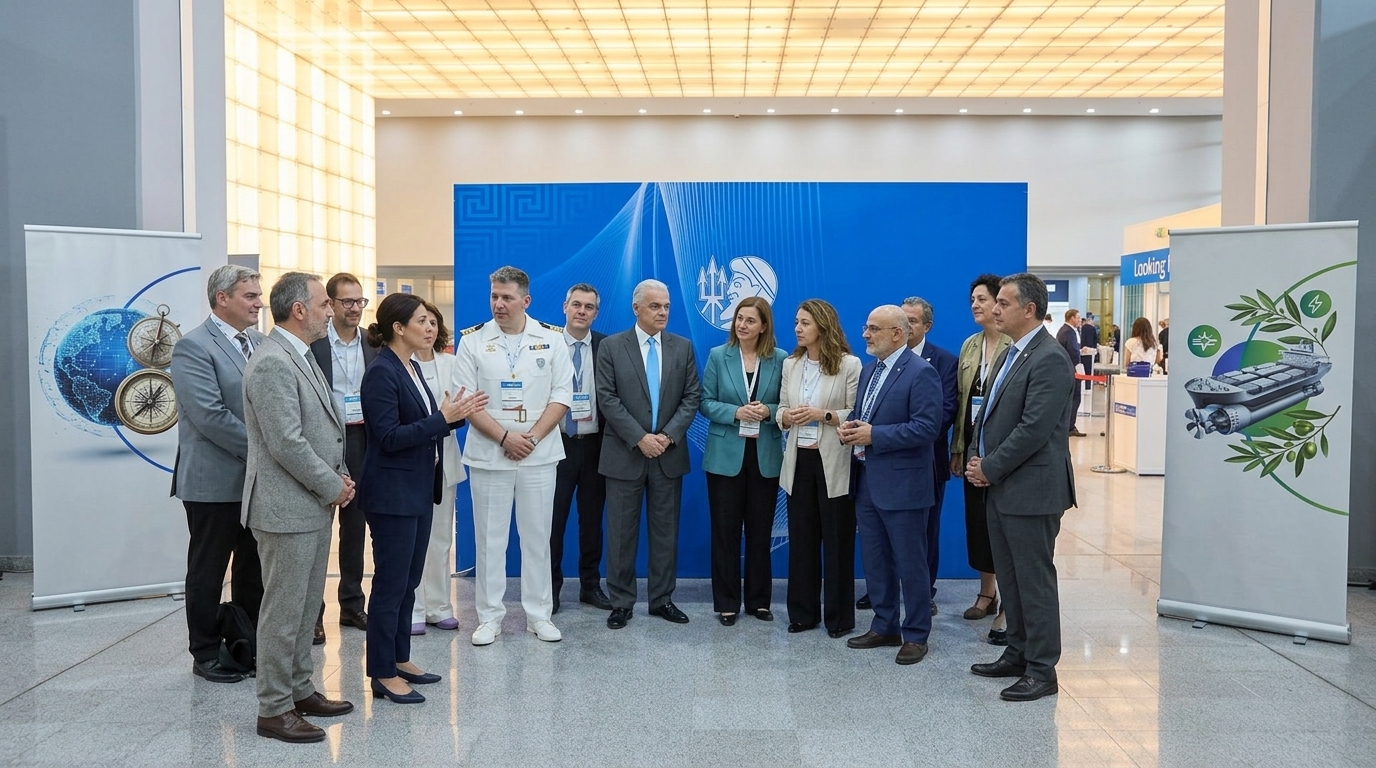
In the heart of global shipping, Athens, the Secretary-General of the International Maritime Organization (IMO), Arsenio Dominguez, sought to cultivate an atmosphere of optimism regarding the ongoing negotiations for the industry's decarbonization. At a time when pressure to meet 2050 targets is intensifying, Dominguez's presence in Greece was no coincidence. The Greek shipping community, controlling 20% of the world's deadweight tonnage, acts as a regulator of developments and the primary interlocutor in any effort to impose global regulations.
The 'Basket of Measures' Stakes
The core challenge facing the IMO is finalizing a combination of technical and economic measures, known as the "basket of measures," that will lead shipping toward net-zero emissions. Dominguez emphasized that there is now a "common understanding" among member states, despite traditional divides between the developed North and the developing South. The central point of contention remains the carbon pricing mechanism. While the European Union and Pacific island nations push for a flat levy per ton of CO2, countries like China, Brazil, and Argentina express concerns about the impact on trade costs and their competitiveness.
The Secretary-General stressed that the goal is not to punish the sector but to create an incentive for investment in alternative fuels. Shipping stands at a crossroads where the technological maturity of solutions like ammonia, methanol, and hydrogen has not yet reached mass application levels, making an economic bridge essential.
The Greek Stance and the Just Transition
Athens once again voiced its support for a global regulation, avoiding regional measures that cause market distortions. Greek shipowners, through the Union of Greek Shipowners (UGS), insist that any economic mechanism must be simple, transparent, and ensure that collected funds return to the industry for research and development of new technologies. Dominguez acknowledged the importance of a "Just and Equitable Transition," a concept that serves as the "key" to overcoming the resistance of developing economies.
- The necessity for a Global Fuel Standard (GFS).
- Ensuring the availability of green fuels on a global scale.
- Protecting small island states from rising transport costs.
Toward the Critical 2027 Implementation
Negotiations at the IMO are expected to peak in the coming months, with a view toward adopting final measures in 2025 and implementing them by 2027. Time is pressing, as the climate crisis allows for no further delays. However, Dominguez's optimism stems from the fact that, for the first time, there is a consensus that inaction will be more costly than action. The challenges remain immense: from bunkering infrastructure in ports to training seafarers for new, potentially hazardous fuels. Shipping is called to redefine itself while maintaining its role as the backbone of global trade.
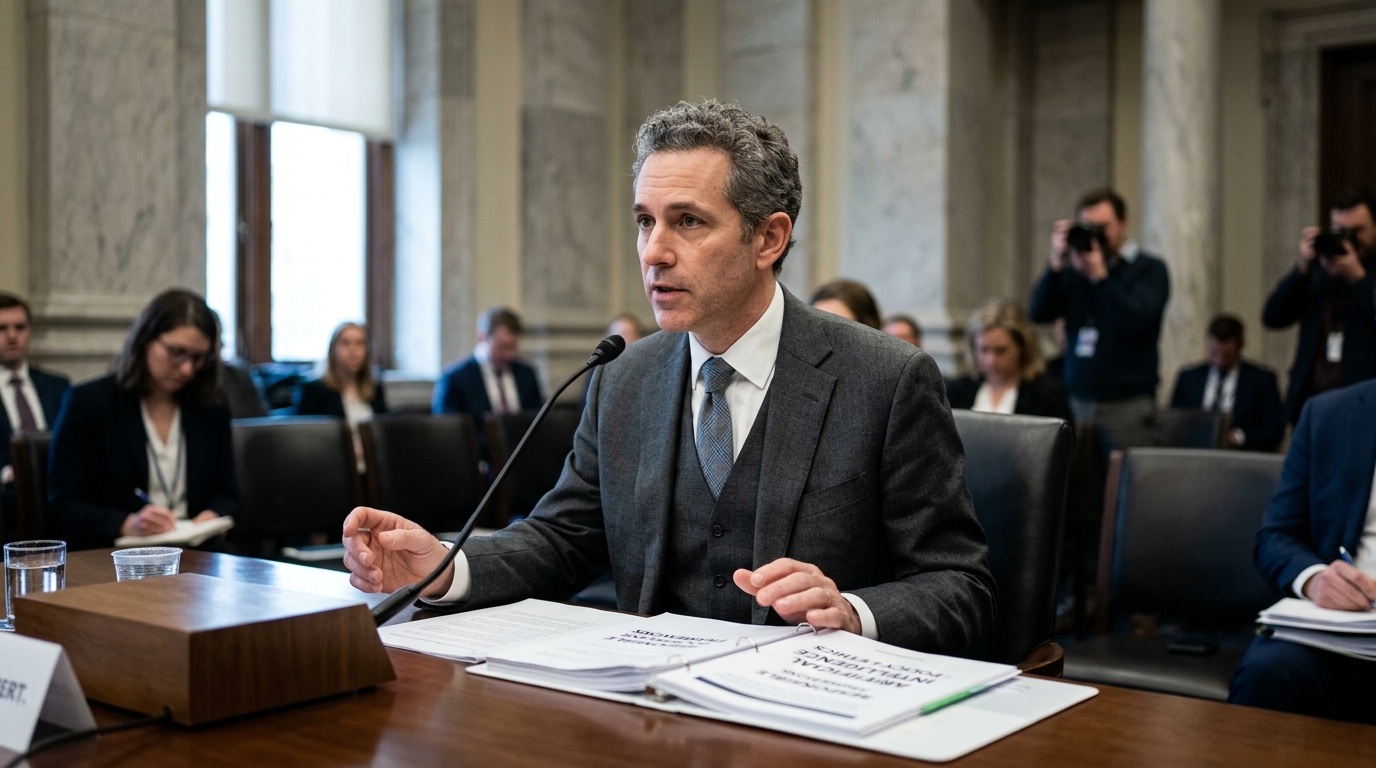
"We do not have the luxury of failure. Shipping is a global industry and it needs global solutions," Arsenio Dominguez stated emphatically from the podium in Athens.
In conclusion, the IMO chief's visit to Greece signals a new phase of realism. Decarbonization is no longer a theoretical exercise but an investment and operational roadmap. The "cautious optimism" expressed in Athens reflects the difficulty of the endeavor, but also the determination of industry leaders to find common ground before climate change renders their choices moot.