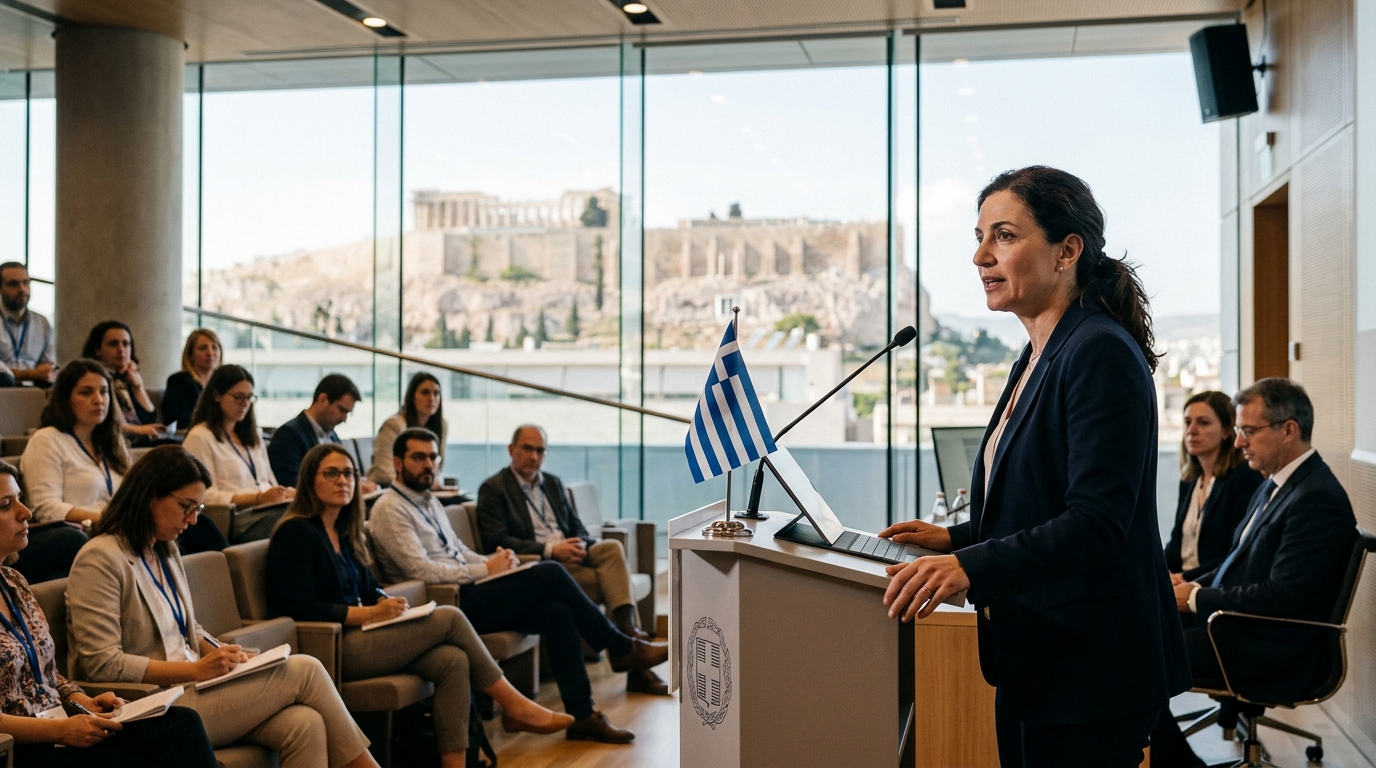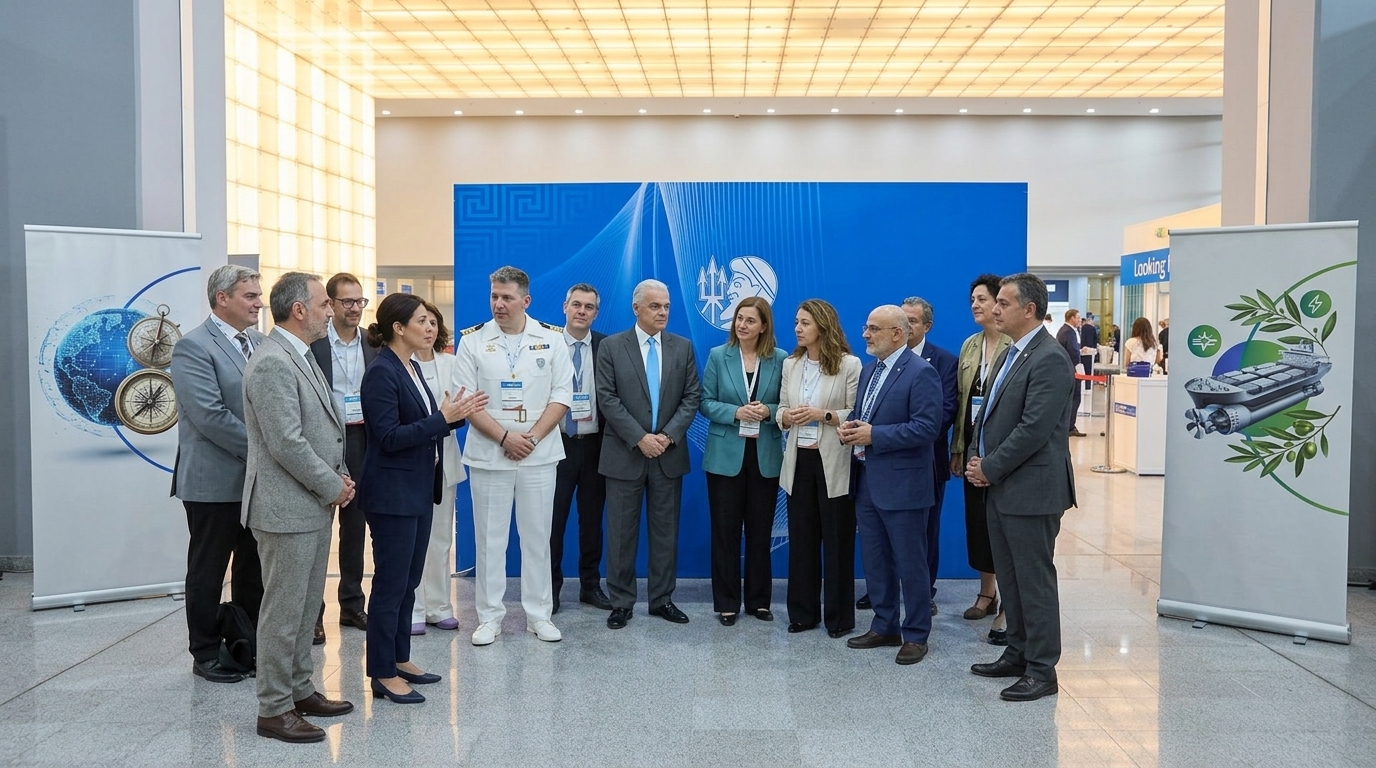
At a time when the global maritime map is being reshaped by the pressures of climate change and rapid digitalization, the Eugenides Foundation reaffirms its historic role as the guardian of maritime education in Greece. The recent event organized by the Foundation was not merely a gathering of experts, but a strategic intervention for the future of Greek and international seafaring. Featuring prominent figures from the International Maritime Organization (IMO), the International Chamber of Shipping (ICS), and the Greek shipping community, the event highlighted the urgent need for a radical redefinition of the skills required on the bridges and in the engine rooms of tomorrow's vessels.
The Challenge of the Twin Transition
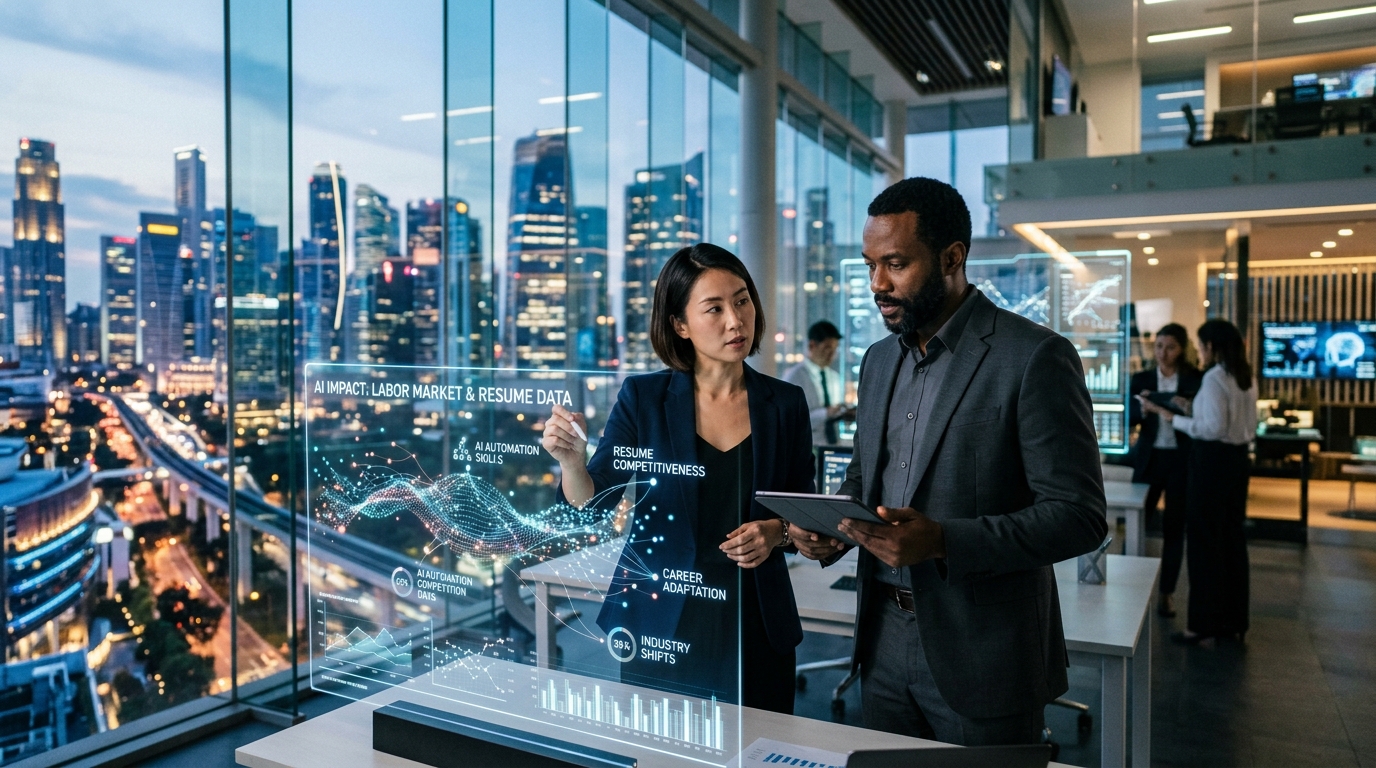
Shipping is currently facing what is known as the "twin transition": green and digital. The drive for zero-emission vessels requires seafarers to handle new, alternative fuels—such as ammonia, hydrogen, and methanol—which carry increased risks and demand specialized safety knowledge. Simultaneously, the integration of Artificial Intelligence (AI) and automation systems is transforming the ship into a floating data center. As emphasized during the event, the seafarer of 2030 will not only be a seasoned mariner but also a systems analyst who must make critical decisions in collaboration with algorithms.
Modernizing the STCW Convention and the Foundation's Role
A central theme of the event was the comprehensive review of the International Convention on Standards of Training, Certification, and Watchkeeping for Seafarers (STCW). This framework, which forms the basis of maritime education worldwide, is now considered outdated in the face of modern technological demands. The Eugenides Foundation, through its publishing programs and advanced laboratories, is leading the way in adapting the curriculum. The use of state-of-the-art simulators, Virtual Reality (VR), and Augmented Reality (AR) in the educational process allows students at Merchant Marine Academies (AEN) to familiarize themselves with extreme scenarios and new technologies in a safe environment.
The Human Element and Soft Skills
Despite the technological explosion, the event underscored that humans remain the most critical link in the safety and efficiency chain. The development of so-called "soft skills"—such as leadership, critical thinking, crisis management, and mental resilience—is now as vital as technical training. Isolation at sea and the increased demands of modern vessels necessitate a holistic approach to education that also addresses seafarer well-being. The Eugenides Foundation is investing in programs that enhance the ability of officers to lead multicultural crews in high-pressure environments.
Conclusions and Outlook
Greek shipping, while maintaining its global leadership, must also lead in the field of education. The Eugenides Foundation's initiative to bring together the academic community, regulatory bodies, and the industry is key to maintaining the competitiveness of the Greek seafarer. Investing in knowledge is the only safe course in an ocean of uncertainty. As it was poignantly stated, "the ship of the future is already here; the question is whether we are ready to command it."
Strategic Priorities for the Next Decade
To ensure that the maritime workforce remains relevant, the conference identified several strategic priorities. These include the democratization of access to high-end training tools and the creation of a continuous feedback loop between shipowners and educational institutions. Furthermore, the industry must address the gender gap, encouraging more women to enter maritime professions by leveraging the less physically demanding nature of digitized bridge operations.
- Immediate update of curricula at Merchant Marine Academies.
- Strengthening public-private partnerships for internships and practical training.
- Promoting maritime careers to the younger generation by highlighting digital prospects.
- Ensuring lifelong learning opportunities for active seafarers.