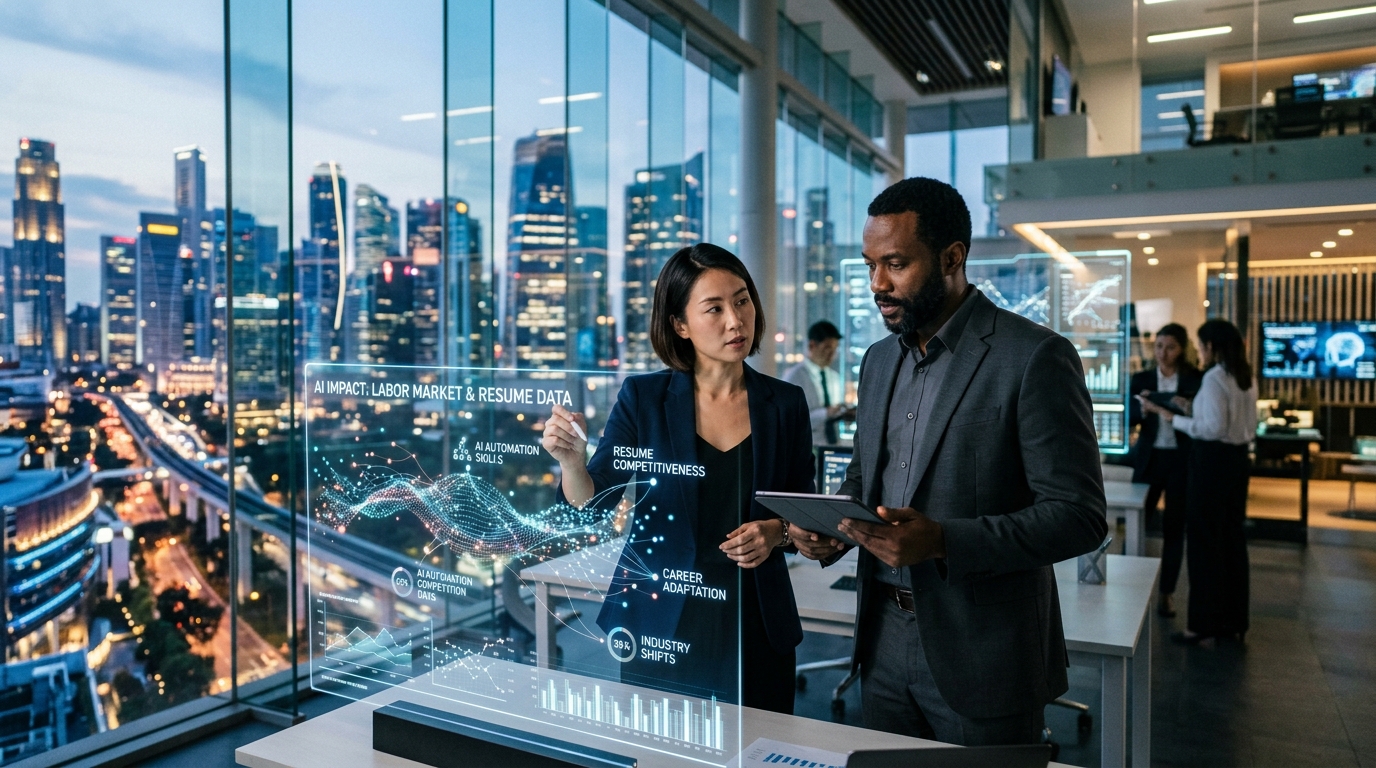
As we navigate the first half of 2026, the conversation surrounding Artificial Intelligence (AI) has shifted from the theoretical realm of "future threats" to the daily reality of a radically transformed labor market. The convergence of generative AI models with human resource management systems has created a new ecosystem where traditional evaluation methods, degrees, and classic resumes are beginning to look like relics of a bygone era. The labor market is not merely going through a phase of automation; it is undergoing a structural realignment.
The Ascent of the Skills Economy over Credentials
For decades, a university degree was the "golden ticket" for entry into the professional arena. Today, AI has accelerated the transition toward a "skills-based economy." Employers, realizing that technical knowledge depreciates at an unprecedented rate, are now focusing on what we call "durable skills." Critical thinking, the ability to synthesize information from disparate sources, and, above all, "AI fluency" have become the new prerequisites.
According to recent analyses, 70% of job postings in technology and management sectors now require proven experience in using AI tools to enhance productivity. The resume of 2026 is not a static list of past employment, but a dynamic portfolio of data-backed achievements. Candidates are expected to demonstrate not just what they know, but how quickly they can learn to utilize the new tools that emerge every six months.
The Battle of the Algorithms: AI vs. AI in Hiring
Perhaps the most ironic development in the current job market is the "war of the bots." On one side, candidates use sophisticated Generative AI tools to create hyper-optimized resumes, tailored precisely to the keywords sought by employers. On the other, companies employ their own AI systems (Applicant Tracking Systems - ATS) to filter thousands of applications in seconds. The result is a digital standoff where algorithms attempt to impress or reject other algorithms.
"We no longer hire people who simply know how to do a job; we hire people who know how to direct AI to do that job ten times faster," notes an HR executive from a major multinational.
This trend has led to a need for a new form of authenticity. As AI-generated resumes become the norm, personal interviews—often now supported by sentiment and behavioral analysis tools—are regaining weight, searching for the "human element" that machines cannot (yet) fully simulate. A candidate's ability to narrate a problem-solving story with empathy is now the ultimate competitive advantage.
Redefining Productivity and New Roles
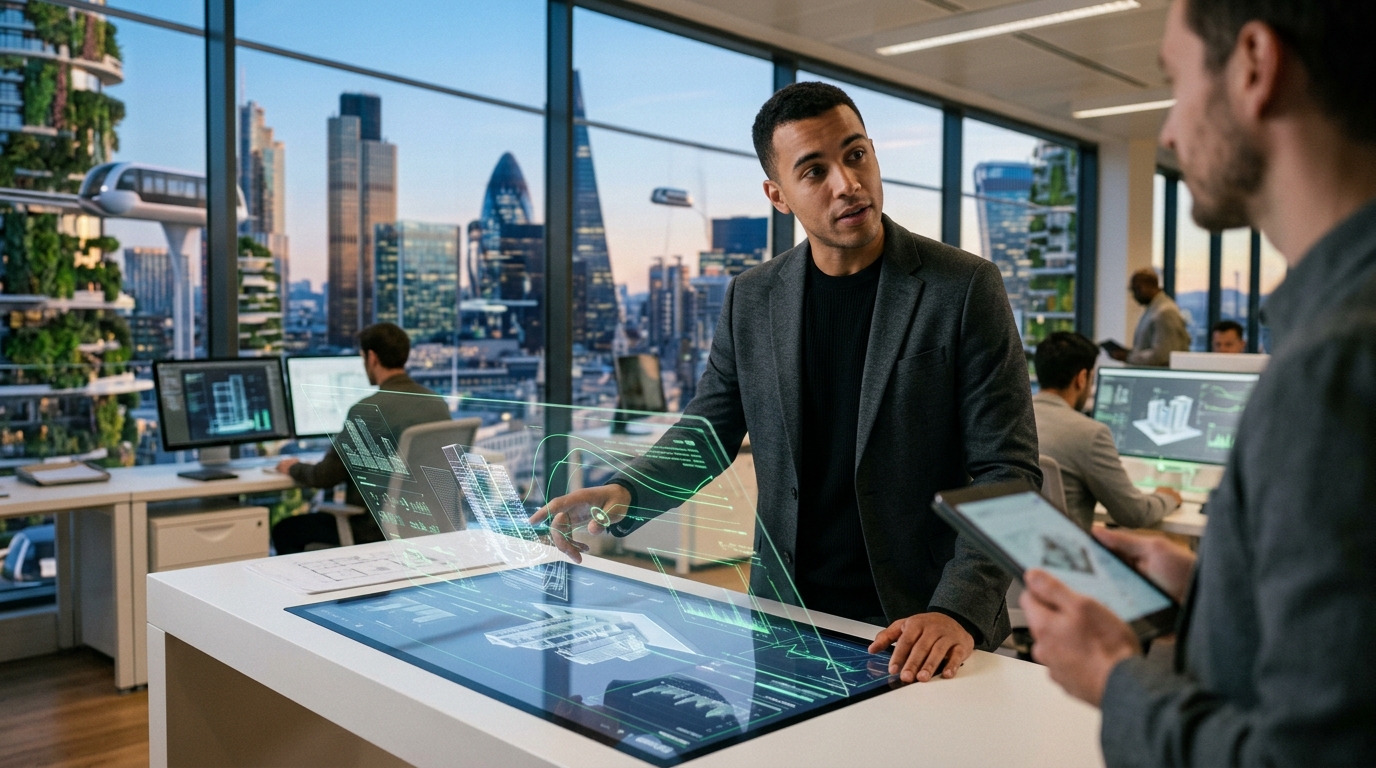
AI is not just eliminating jobs; it is creating new categories that were beyond our imagination three years ago. Roles such as "AI Ethicist," "Prompt Engineer," and "Machine-Human Collaboration Manager" have become critical to the operation of modern enterprises. However, the most significant change concerns existing roles. The lawyer, the programmer, the accountant, and the content creator are not being replaced by AI, but by a colleague who knows how to use AI.
- Routine Automation: Repetitive data analysis and report drafting tasks have been almost entirely automated.
- Creativity Augmentation: AI acts as a "copilot," allowing employees to focus on strategy and high-level decision-making.
- Personalized Learning: Workers use AI tutors to close skill gaps in real-time.
The challenge for society and the state is managing the transition for those who struggle to adapt. The "digital divide" is no longer just about internet access; it is about the access to and the ability to wield advanced intelligence. Investment in reskilling is now a matter of national economic survival.
Conclusion: Human Sovereignty in a World of Machines
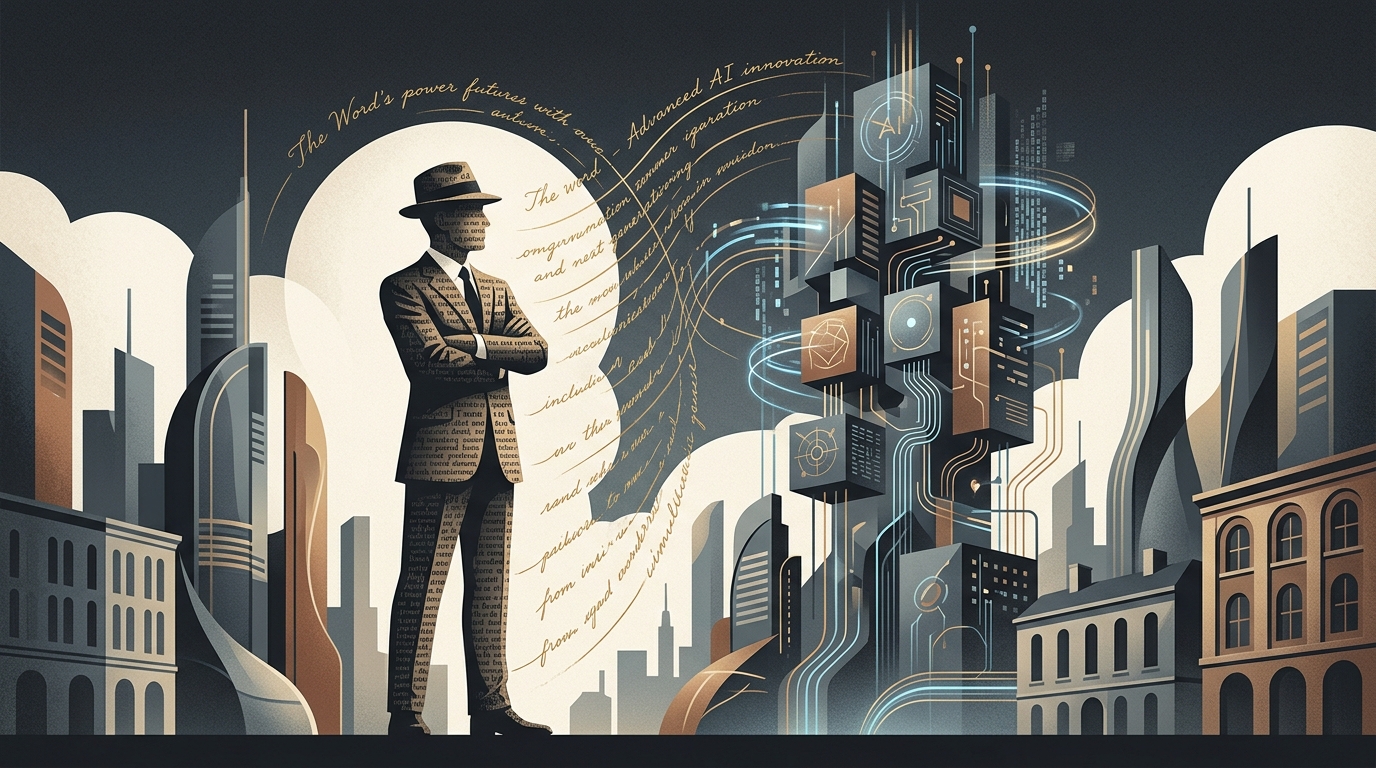
At the end of the day, AI in the labor market acts as a powerful magnifying glass. It highlights the value of human judgment, ethics, and creativity, while devaluing the simple execution of instructions. The resume of the future will not be written on paper or PDF; it will be a living footprint of an individual's ability to navigate uncertainty and collaborate harmoniously with machine intelligence. Work is not ending; it is transforming into something more intellectual, more strategic, and, paradoxically, more human.