In the high-stakes world of Silicon Valley, words are often as consequential as code. For Sam Altman, the CEO of OpenAI, managing public expectations—and fears—has become a delicate balancing act. Recently, the man who once signaled a radical restructuring of the global economy due to Artificial Intelligence (AI) seems to be changing his tune. Now, the official narrative is that AI will not take your job; it will simply make it 'better.'
The Strategy of Reassurance
This pivot is no accident. As OpenAI transitions from a niche research lab into a global corporate behemoth, the need to present itself as a 'benevolent partner' to humanity has become paramount. In recent public appearances, Altman has downplayed the likelihood of mass unemployment, rebranding AI as the 'ultimate productivity tool.' This is a stark departure from his earlier rhetoric at the World Economic Forum, where he openly discussed the necessity of Universal Basic Income (UBI) as a response to inevitable automation.
Why the shift? The answer lies in the intersection of politics and regulation. With the European Union and the United States tightening the screws on AI ethics and labor impact, admitting that your product might decimate the middle class is a poor marketing strategy. Altman is attempting to reframe AI not as an 'artificial worker' (an agent), but as a sophisticated 'hammer' that requires a human hand to wield it effectively.
The Data Paradox vs. Market Reality
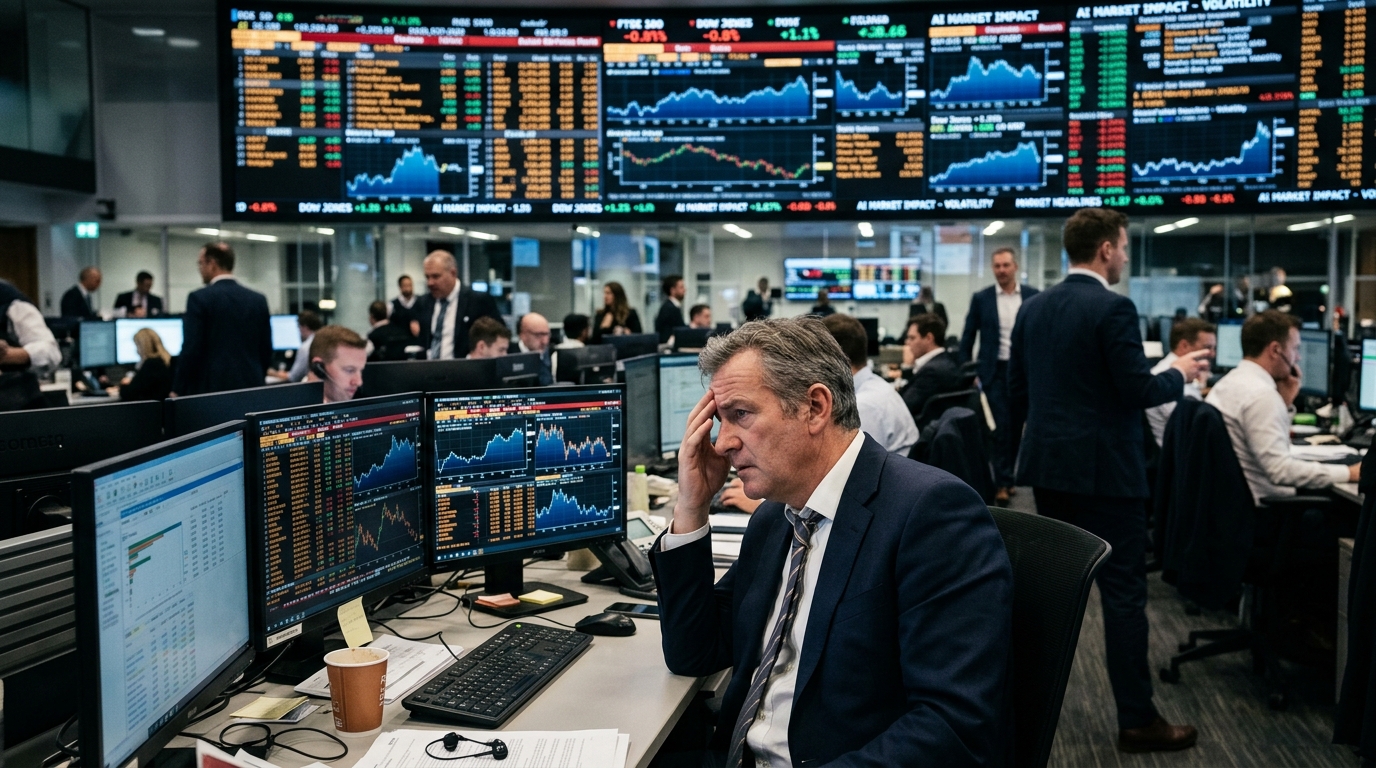
Despite the soothing rhetoric, labor market data suggests a more complex reality. Already, sectors such as technical writing, customer service, and entry-level coding are experiencing unprecedented contraction. Schumpeter’s 'creative destruction' is moving at Silicon Valley speeds, leaving little room for the workforce to reskill or adapt.
- Task Automation vs. Job Elimination: OpenAI's new argument posits that since jobs are composed of many tasks, AI will only automate the 'drudgery,' leaving the creative core to humans.
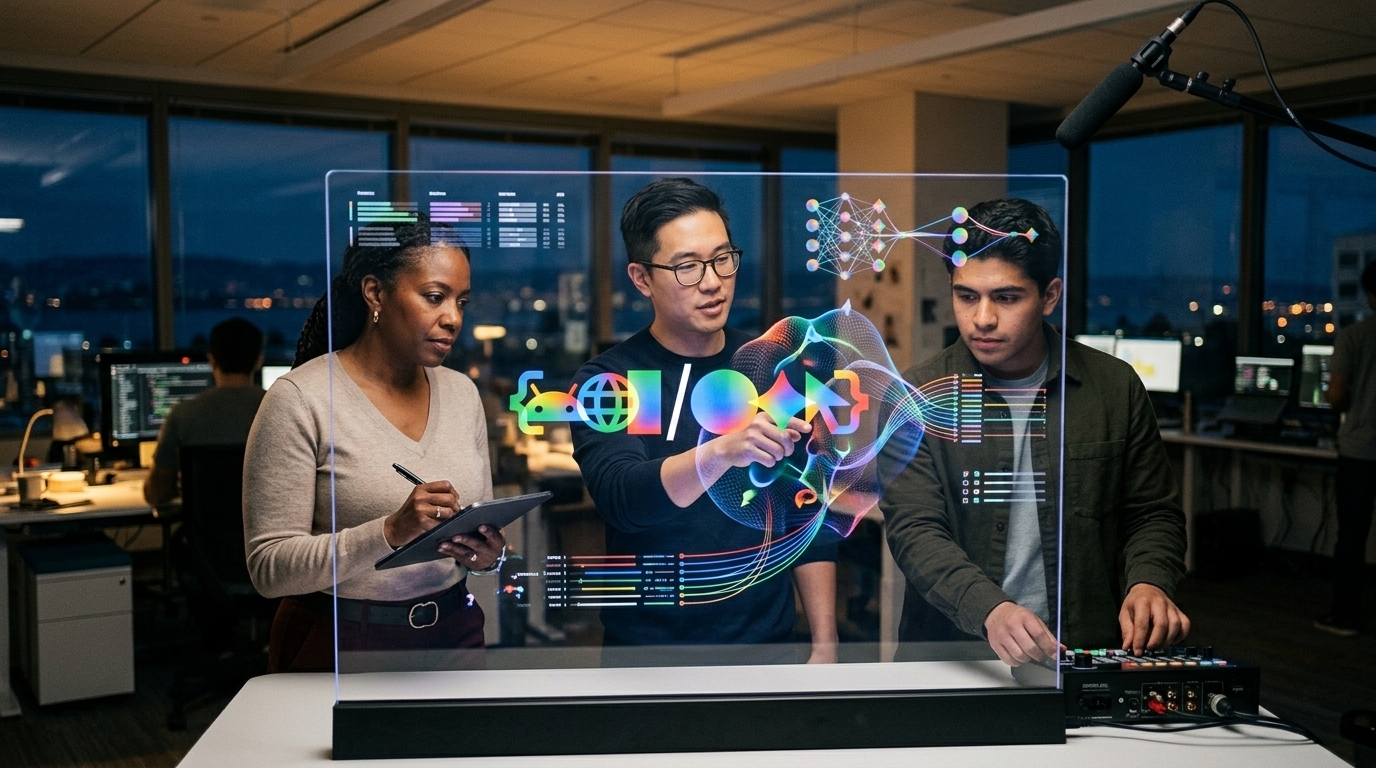
- The Rise of 'Centaur Work': The vision where human-machine collaboration yields higher productivity than either could achieve alone.
- The Transition Cost: Even if new roles are created, the skills gap remains a ticking time bomb for national governments and educational systems.
The irony is palpable: while Altman publicly assures workers their roles are safe, OpenAI continues to develop systems like Sora and the rumored GPT-5, which aim specifically to simulate human cognitive and creative outputs. This contradiction suggests a tactical 'gaslighting' of the public to buy time until the technology's integration into the economy becomes irreversible.
Politics and Corporate Responsibility
The job displacement debate is not merely economic; it is deeply political. Altman is keenly aware that if public sentiment turns against AI due to rising unemployment, legislators will be forced to impose draconian restrictions or 'robot taxes.' By projecting an image of technology that 'augments' rather than 'replaces,' OpenAI seeks to avoid the fate of social media giants, who were late to realize the social destabilization their platforms caused.
"Artificial Intelligence will make the world wealthier, but the distribution of that wealth remains the great unanswered question of our era."
Ultimately, Altman’s 'new line' may be a necessary survival tactic for corporate growth. However, for millions of workers seeing their tools evolve into their replacements, the words of the OpenAI CEO sound more like a hopeful prayer than a guarantee. The history of technology teaches us that efficiency always triumphs over sentiment; in a market economy, if a machine can do the job cheaper and faster, it eventually will.