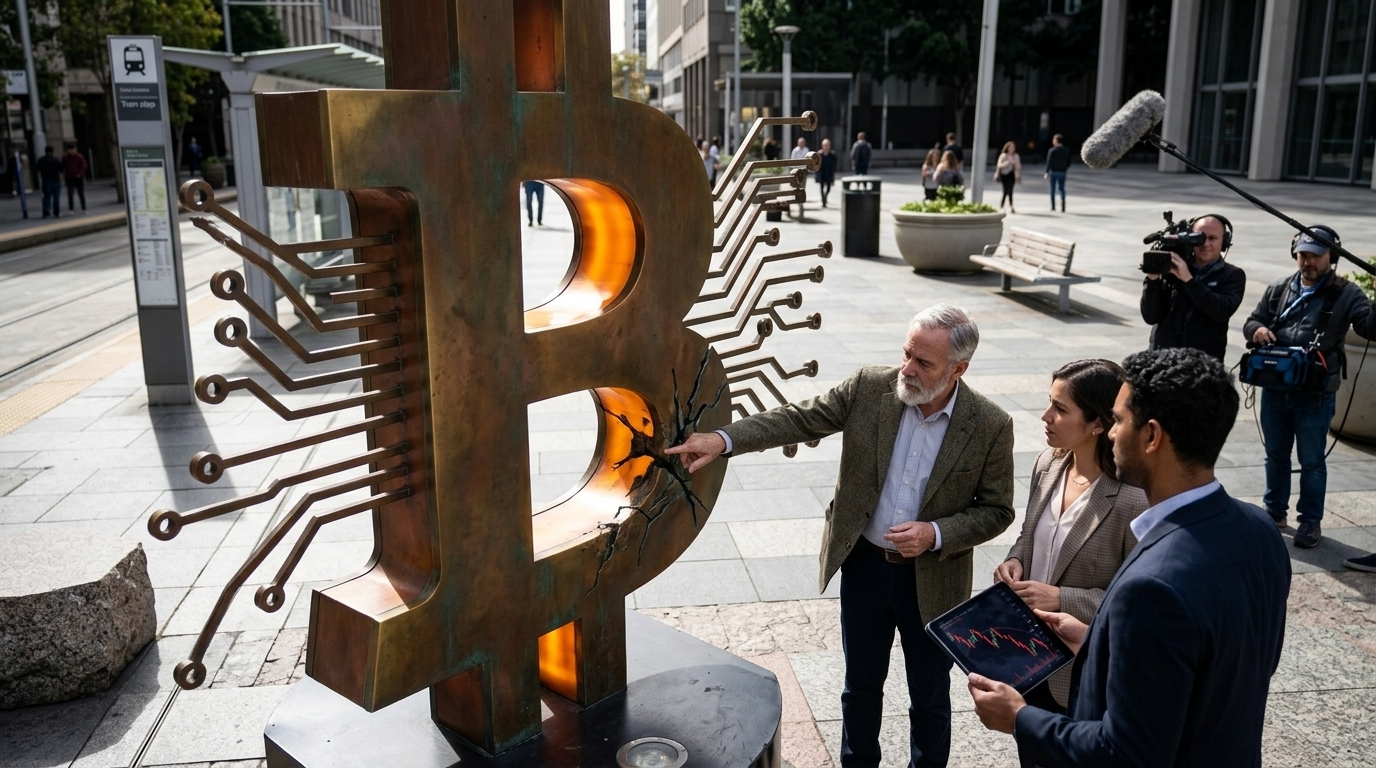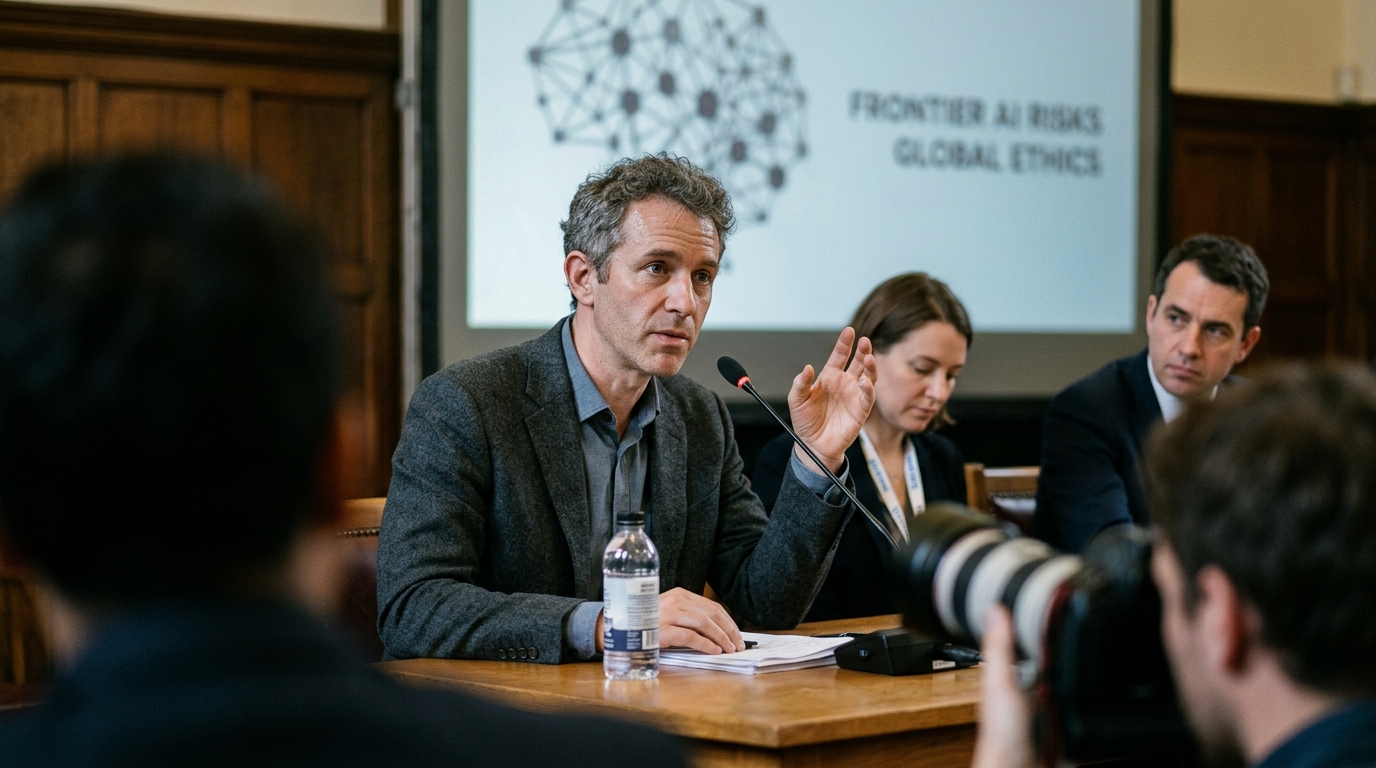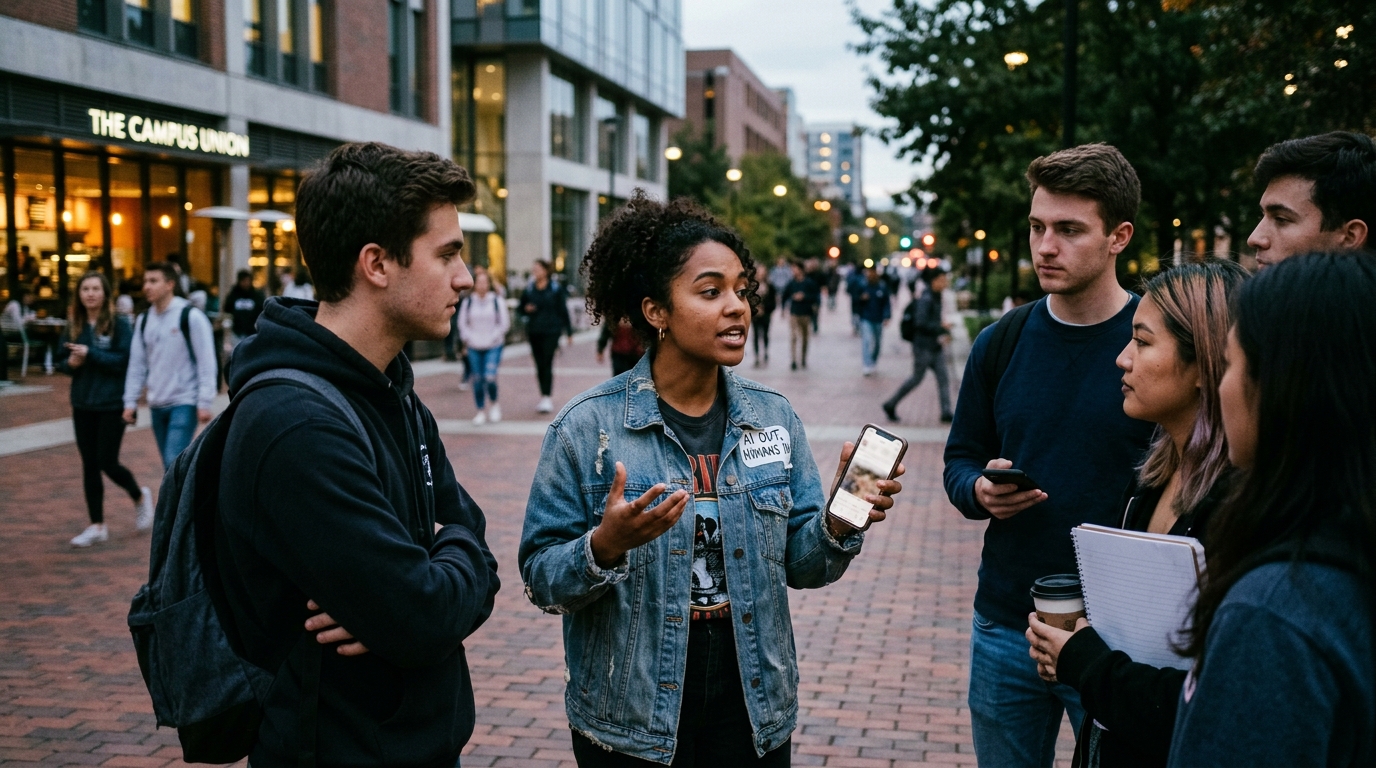
For years, the prevailing wisdom suggested that younger generations would embrace Artificial Intelligence (AI) as a natural extension of the digital world they were born into. However, a recent analysis highlighted by CBS News, based on researcher observations, reveals a "meaningful shift": Gen Z is not just skeptical, but actively angry about the trajectory of AI technology. This resentment does not stem from technophobic ignorance, but from a profound realization of the existential and economic threats that generative AI poses to their future.
The Threat of "Entry-Level" Extinction
The primary driver of this anger is economic precarity. For young people entering the workforce today, AI is not a productivity tool but a direct competitor for the "junior" roles that traditionally served as the first rung on the career ladder. From copywriting and graphic design to coding and data analysis, tasks that once required human creativity and training are now being automated at a fraction of the cost.
Researchers point out that Gen Z views AI as a mechanism that accelerates job instability. Unlike Millennials, who experienced the rise of social media as a promise of connection, Gen Z sees AI as a corporate tool designed to slash labor costs at the expense of human development. The feeling that the skills they studied for might become obsolete before they even pay off their student loans is fueling an unprecedented level of social friction.
The Erosion of Authenticity and the "Dead Internet Theory"
Beyond economics, there is a deeper, almost philosophical resistance. Gen Z values authenticity above all else. In a world saturated with filters, algorithms, and deepfakes, the advent of generative AI feels like the final blow to the concept of truth online. The "Dead Internet Theory"—the idea that most online content is now generated by bots for bots—is no longer a fringe conspiracy theory but a lived reality for the youth.
The anger stems from the perception that AI is "stealing" the human soul. Gen Z artists are leading the charge, denouncing AI companies for using their work without consent to train models that will eventually replace them. This is not viewed as progress, but as a form of digital colonialism, where the data and creativity of the many are extracted for the profits of a few in Silicon Valley.
Environmental Costs and Ethical Accountability
Another critical factor is the climate crisis. Gen Z is the most environmentally conscious generation, and the massive energy and water consumption required by AI data centers is not going unnoticed. While Big Tech promotes AI as a solution for climate change, the reality of skyrocketing carbon emissions due to GPU demands is sparking fierce backlash.
According to analysts, young people are now demanding "ethical technology." They are no longer satisfied with promises of convenience. They want to know the cost—in human jobs, in environmental footprint, and in mental health. The trend toward "dumb phones" and the boycott of certain AI platforms are just the beginning of a broader cultural counter-offensive.
"We aren't against technology; we are against a technology that treats us as expendable data," says a 22-year-old activist cited in the research.
In conclusion, the "meaningful shift" observed by researchers suggests that the future of AI will not be determined solely by raw computing power, but by social license. If the tech industry fails to convince the younger generation that AI can coexist with human dignity and sustainability, it risks facing a generation that chooses to disconnect or dismantle the existing digital status quo.