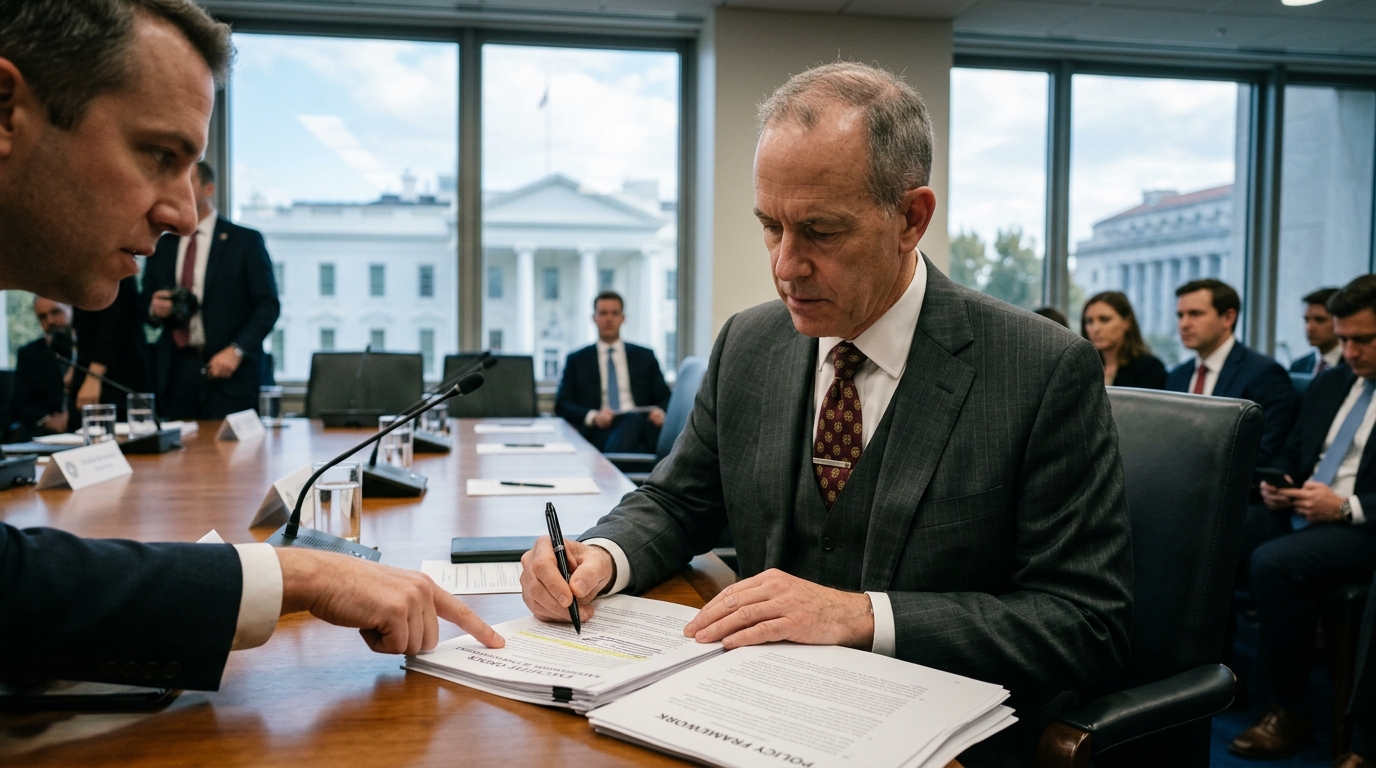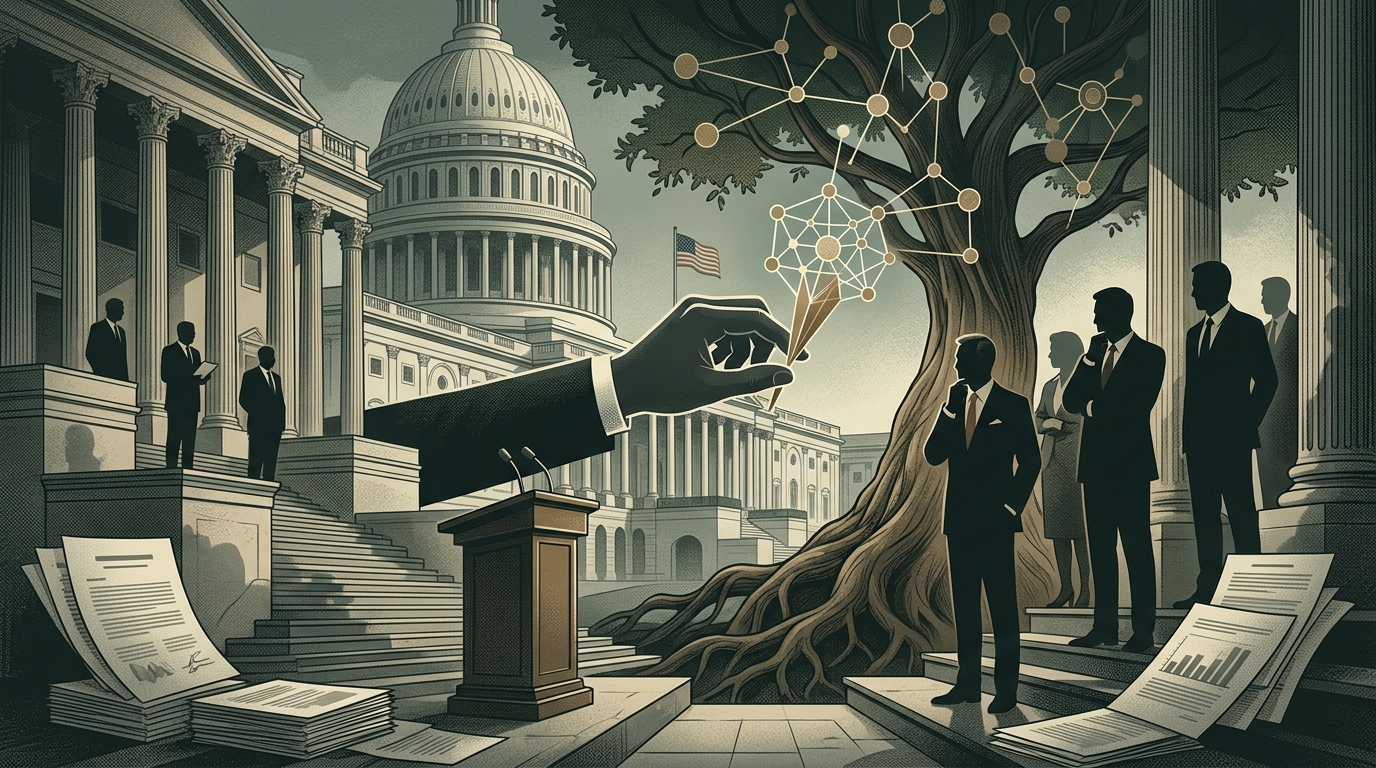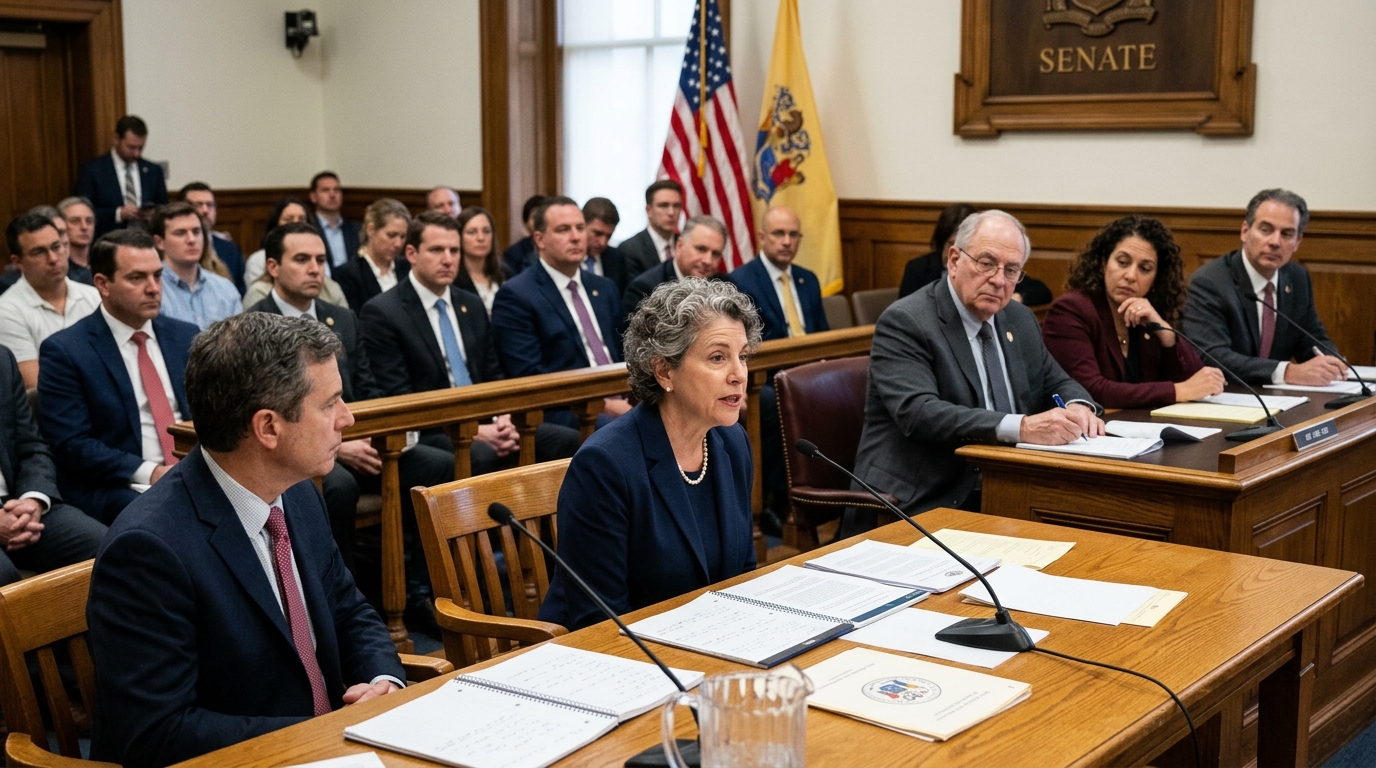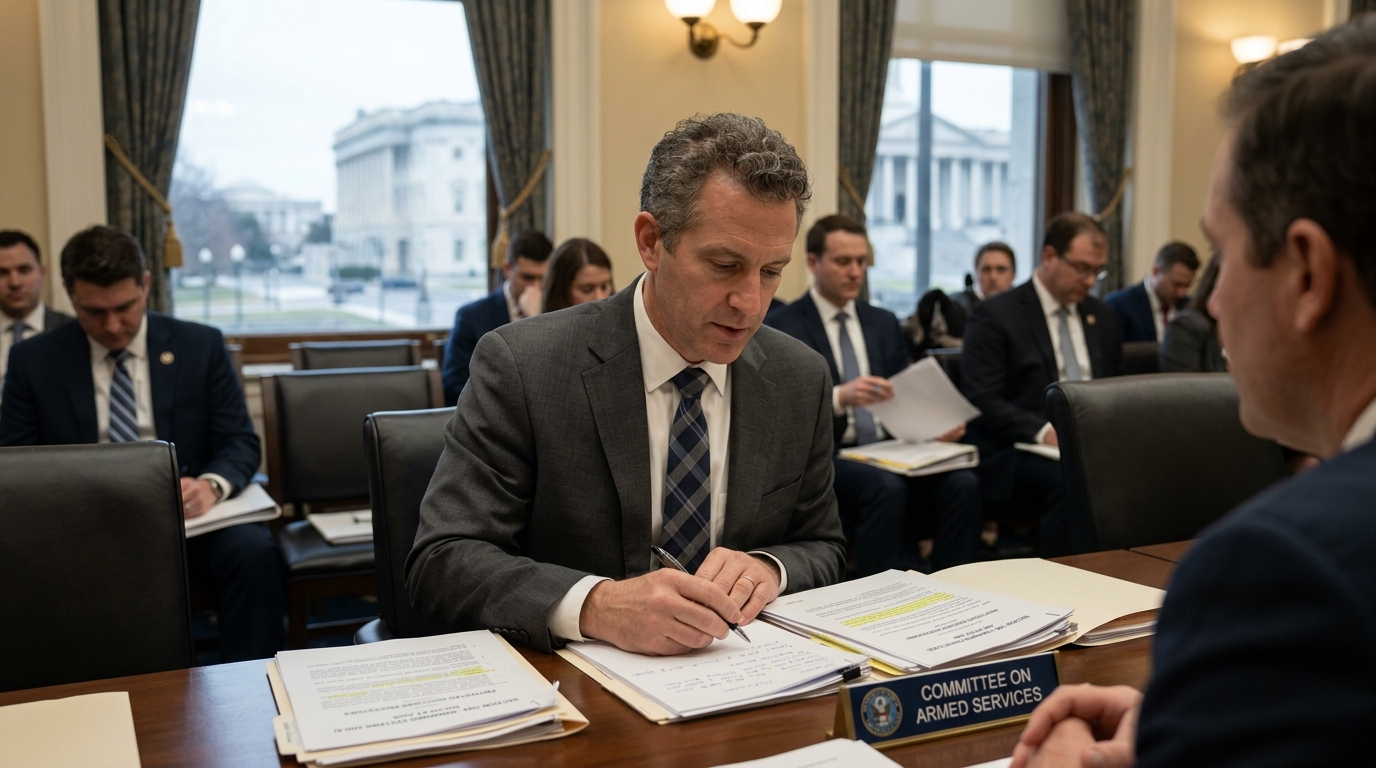
In a move that signals a new era of technological accountability within the military sphere, the U.S. House Armed Services Committee has included provisions in the Fiscal Year 2026 National Defense Authorization Act (NDAA) to establish a "protected disclosure program" for incidents involving Artificial Intelligence (AI). This initiative aims to encourage Department of Defense (DoD) personnel and private contractors to report malfunctions, ethical breaches, or unforeseen algorithmic behaviors without the specter of retaliation.
Institutionalizing Transparency in the Military 'Black Box'
AI in defense is often characterized as a "black box," where decisions are executed at speeds far exceeding human cognition. However, this lack of transparency carries immense risks, ranging from target misidentification to the total loss of control over autonomous systems. The proposed program seeks to create a secure conduit for data scientists, operators, and military personnel on the front lines of AI development to voice concerns.
According to the draft legislation, reports would cover a broad spectrum of "incidents," including cases where AI exhibits bias violating DoD policies, instances where a system operates outside its safety parameters, or when evidence suggests the technology could cause unintended conflict escalation. Whistleblower protection is now viewed as critical, as the pressure to deploy systems rapidly to counter adversaries like China often leads to the bypassing of rigorous safety protocols.
Geopolitical Strategy and Moral Superiority
This move is not merely about internal U.S. organization; it is a strategic signal to the global community. At a time when Russia and China are investing heavily in autonomous weapons without comparable accountability frameworks, the U.S. is attempting to secure its "moral high ground." The logic is straightforward: an AI system that is safe and verifiable is ultimately more effective on the battlefield than an unpredictable and hazardous technology.
"Trust is the ultimate currency in digital warfare. If our soldiers do not trust their tools because they are afraid to report their flaws, we have already lost the war of innovation," says a senior defense policy analyst in Washington.
The program will likely be overseen by the Pentagon’s Chief Digital and Artificial Intelligence Office (CDAO), which is already tasked with integrating responsible AI across military operations. The persistent challenge remains balancing the imperative for national security secrecy with the necessity for transparent error reporting.
Implications for the Defense Industry
For major defense contractors—ranging from legacy giants like Lockheed Martin to silicon-valley-bred firms like Palantir and Anduril—this new framework implies heightened oversight. Companies will be required to bolster their internal reporting mechanisms and ensure employees are aware of their rights under the NDAA. Failure to comply, or attempts to suppress an AI incident report, could lead to severe penalties or debarment from future federal contracts.
Furthermore, the creation of a database for "AI incidents" will allow the DoD to learn from past failures. Instead of treating every malfunction as an isolated event, systematic logging will facilitate the development of more resilient algorithms. This model mirrors the aviation industry’s approach to safety, where every near-miss or accident leads to systemic changes that benefit the entire sector.
Conclusions and Future Challenges
Despite the positive intentions, implementing such a program is fraught with difficulties. How exactly is an "AI incident" defined in an environment where machine learning is continuous and evolving? How can the Pentagon ensure that these reports aren't weaponized as tools of bureaucratic warfare between rival agencies? The 2026 NDAA lays the groundwork, but the true test will be the culture that takes root within the halls of the Pentagon.
Protecting whistleblowers is the first step toward democratizing the oversight of a technology that, if left unchecked, could alter the nature of conflict in ways we are not yet prepared to handle. The international community is watching closely, as the U.S. precedent may serve as a blueprint for similar legislation globally, including within the European Union's defense frameworks.