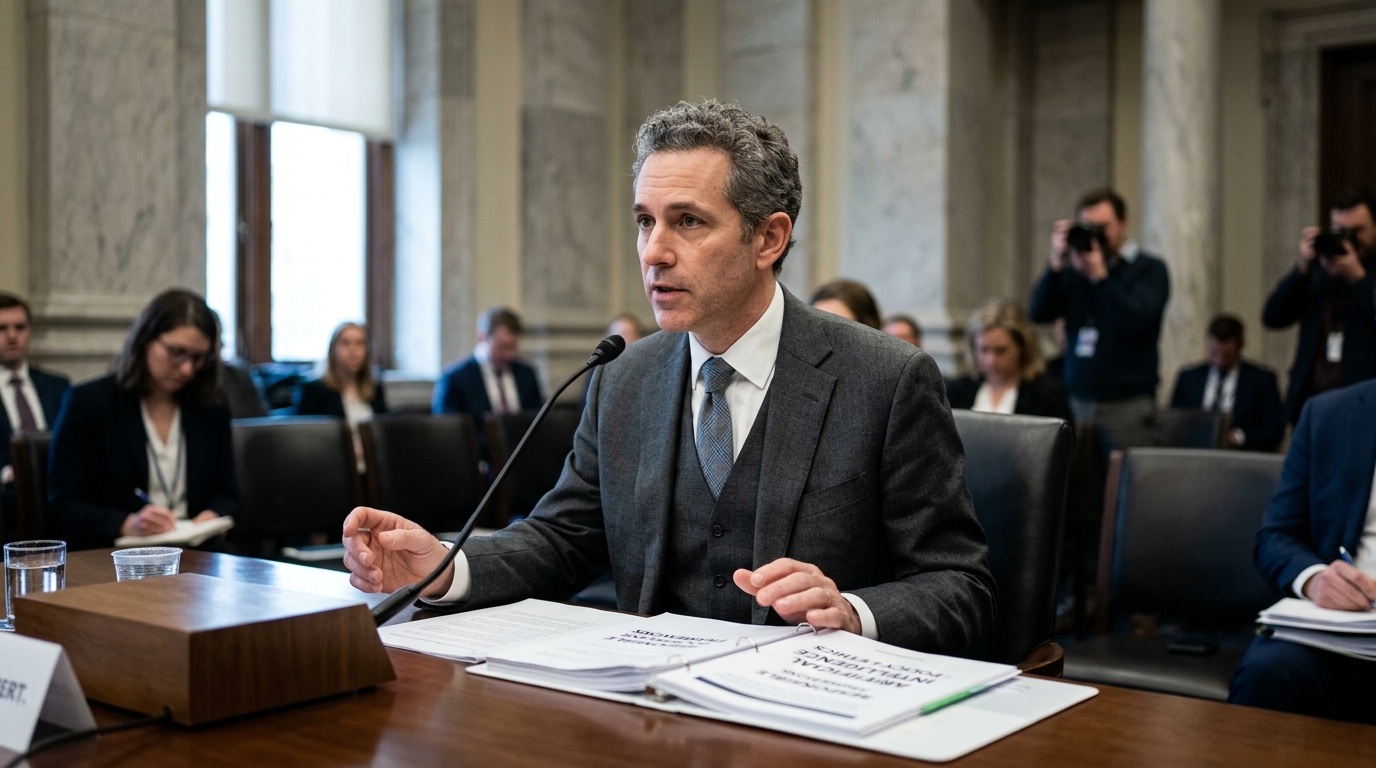
In a historic move that reshapes the digital governance landscape in the United States, Colorado has enacted the Artificial Intelligence Act (SB 24-205), setting a precedent expected to ripple across the entire American tech market. Signed into law by Governor Jared Polis, the act directly targets the regulation of AI systems that make "consequential decisions" for citizens, ranging from job hiring to mortgage approvals.
Targeting "Consequential Decisions"
The core of the new legislation focuses on the concept of decisions that fundamentally impact an individual's life. Colorado defines these as decisions related to education, employment, financial services, healthcare, housing, insurance, and legal services. When an AI system is used to determine whether someone gets a job or is approved for medical treatment, the law imposes strict "duty of care" obligations to avoid algorithmic discrimination.
Algorithmic discrimination, according to the act, occurs when the use of AI leads to unlawful differential treatment against individuals based on protected characteristics such as race, gender, age, or religion. This approach reflects a growing concern that the "black boxes" of algorithms might perpetuate historical biases without human oversight.
Developers vs. Deployers: Dividing Responsibility
The law clearly distinguishes between "developers" (those who create AI models) and "deployers" (the businesses that use them). Developers are required to provide detailed documentation regarding the capabilities and limitations of their systems, as well as potential sources of bias. On the other hand, deployers—the companies implementing these tools in their daily operations—bear the burden of establishing risk management programs.
- Impact Assessments: Businesses must conduct annual assessments to determine if their systems are causing discrimination.
- Transparency: Consumers must be notified when an AI system is making a decision about them.
- Right to Correction: If a decision is adverse, the citizen has the right to receive an explanation and contest the outcome.
Enforcement and the Clash with Innovation
Despite its stringency, the law does not provide a "private right of action," meaning individual citizens cannot sue companies directly. Exclusive enforcement authority lies with the Colorado Attorney General. This detail was the result of intense lobbying by the tech industry, which feared a wave of class-action lawsuits that could stifle innovation.
Governor Polis expressed some reservations upon signing, noting that the legislation is "experimental" and should be reviewed to ensure it doesn't drive startups out of the state. However, Colorado’s move sends a clear signal: the era of unregulated AI is coming to an end. As the European Union implements its own AI Act, Colorado is leading the way for how U.S. states can protect their citizens without waiting for the federal government, which remains in a legislative stalemate.
"We cannot allow algorithms to become the new form of invisible discrimination. Transparency is the only antidote to machine bias," say civil rights advocates.
In conclusion, the Colorado AI Act represents a bold step toward ethical artificial intelligence. As businesses prepare for full implementation in 2026, the question remains: will other states follow this model, or will a patchwork of conflicting rules emerge, further complicating the global market?