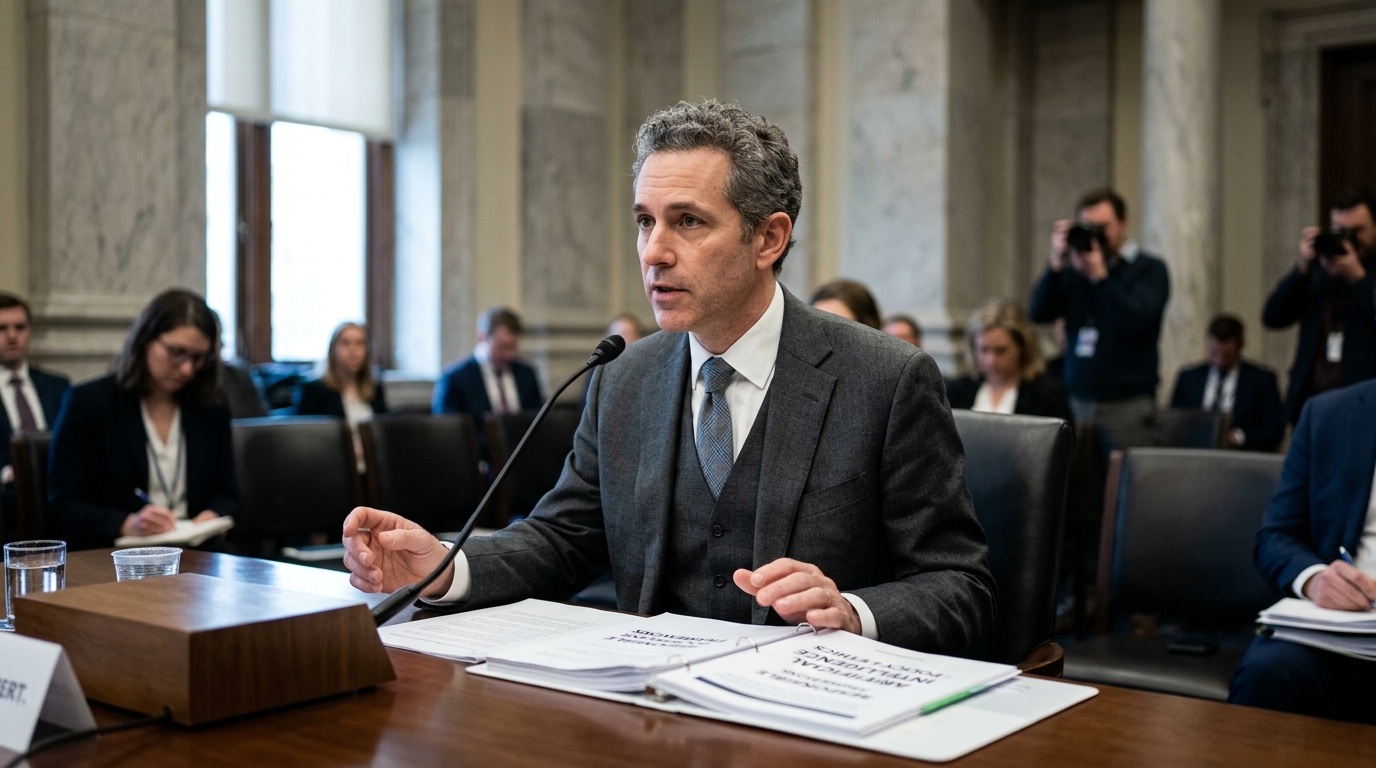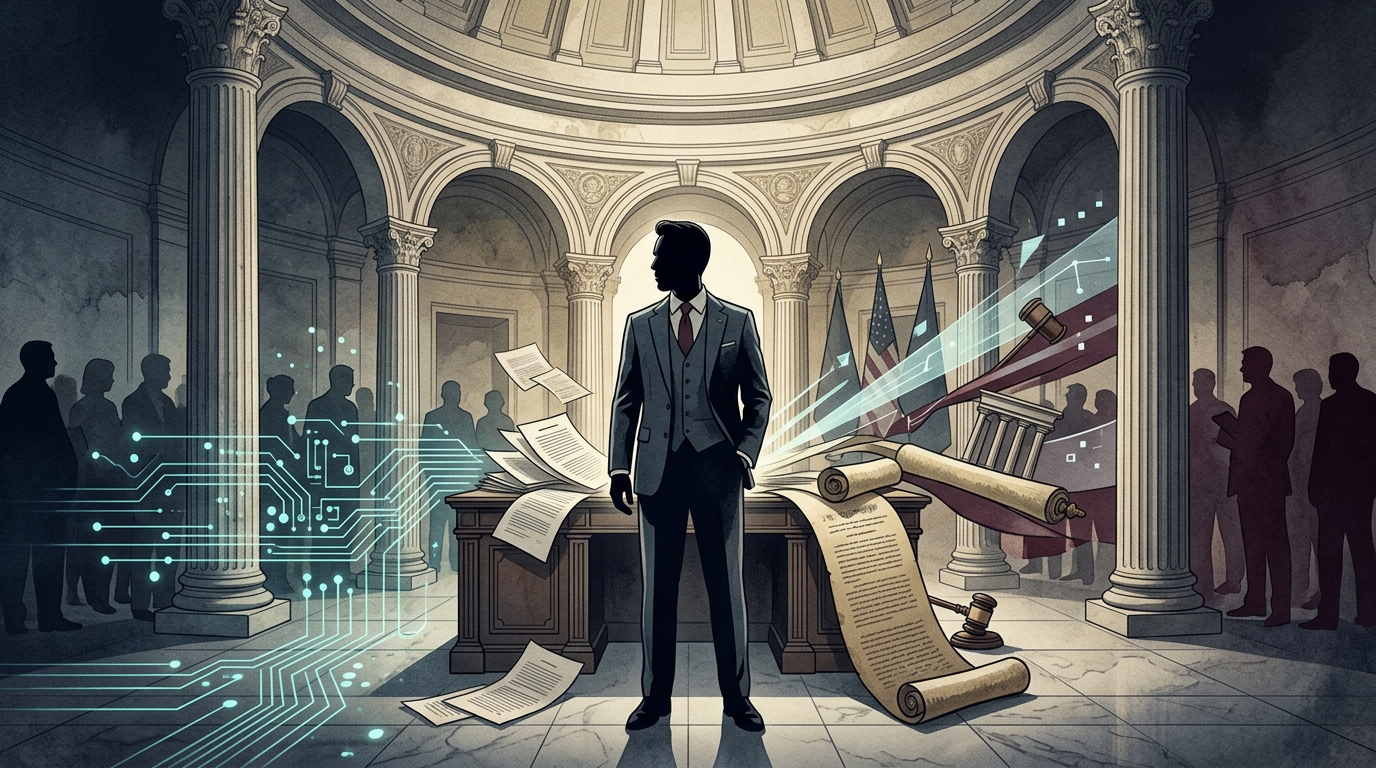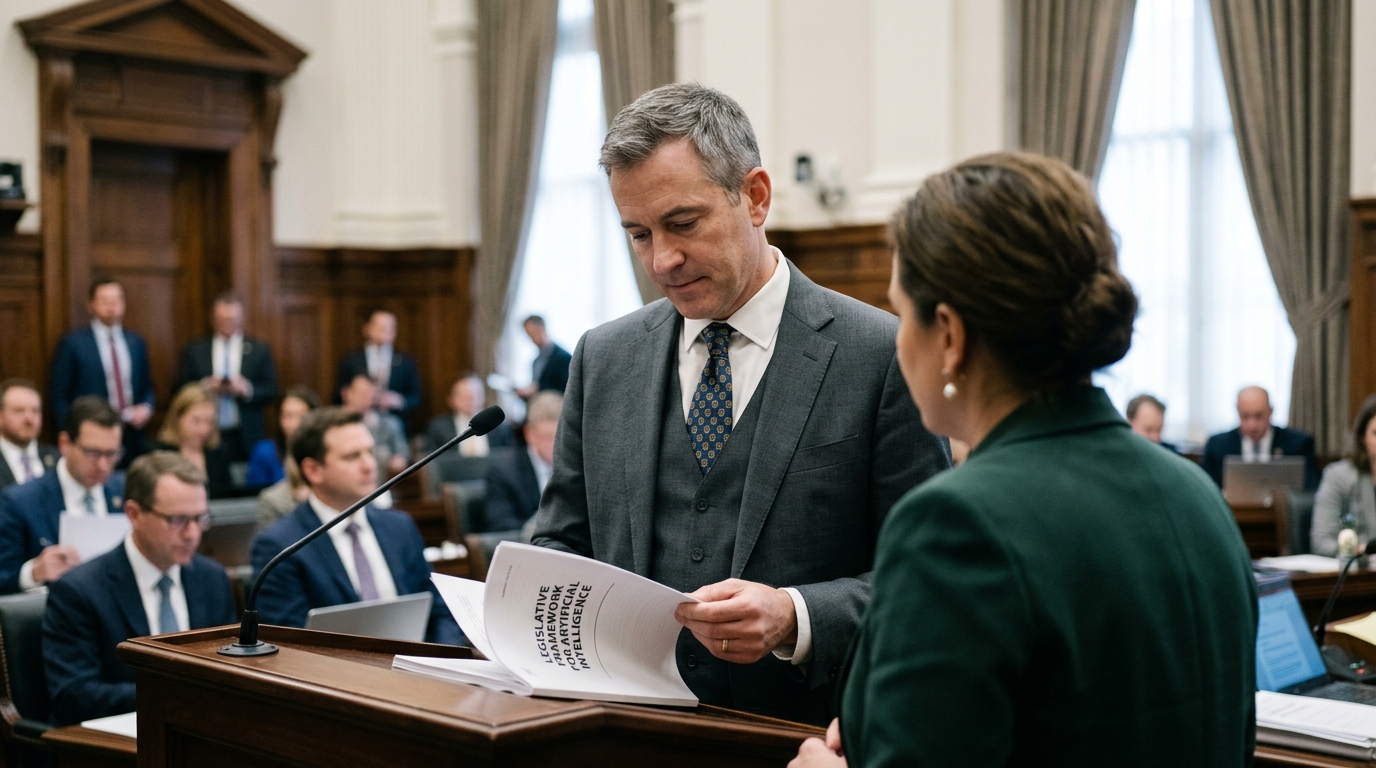
The spring of 2026 finds the worlds of technology and politics at a critical juncture. What began three years ago as a dialogue about the capabilities of large language models has now transformed into an urgent debate over national and state security. In Illinois, as in many other capitals worldwide, AI security is no longer viewed as a secondary technical concern, but as the "backbone" of legislative activity for this session.
From Innovation to Fortification
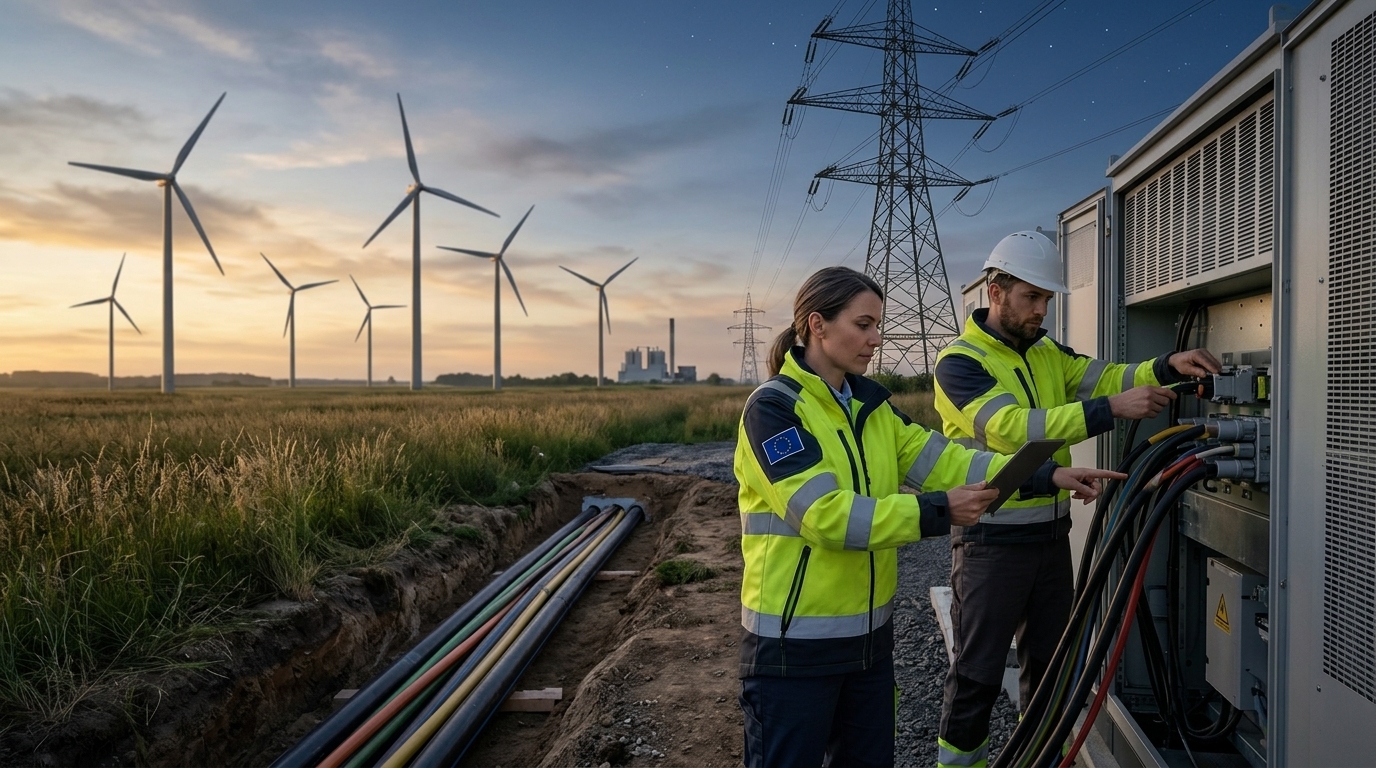
For a long time, lawmakers were hesitant to intervene drastically in the AI sector, fearing they might stifle innovation. However, the rapid proliferation of deepfakes, attacks on critical infrastructure via algorithms, and concerns over the integrity of electoral processes have shifted the climate. The current legislative session highlights the need for a framework that mandates "security by design."
Proposed laws focus on three main pillars: the protection of personal data from model training without consent, the transparency of algorithms used in public services, and, most importantly, corporate liability in the event of system failure. The debate in Illinois reflects a broader trend where local governments are taking action where federal leadership often stalls due to political gridlock.
The Danger of "Dual-Use Models"
One of the most thorny issues being discussed in committees is the concept of "dual-use models." These are AI systems that, while designed for productive purposes, can easily be repurposed as tools for cyberattacks or the creation of biological weapons. Lawmakers are considering the imposition of strict controls on companies developing models with computing power exceeding specific thresholds.
- Mandating "red-teaming" exercises before the release of any model.
- Compulsory safety reporting for systems affecting public health and safety.
- The creation of "kill switches" for autonomous systems.
This approach has sparked backlash from Silicon Valley, with open-source advocates warning that excessive restrictions will concentrate power in the hands of a few tech giants, ultimately reducing security through a lack of transparency.
The Political Dimension and Social Cohesion
Beyond the technical aspects, AI security is deeply political. The use of artificial intelligence to distort reality has reached levels that threaten social cohesion. Lawmakers are proposing mandatory watermarking for all AI-generated content, ensuring citizens can distinguish between what is real and what is synthetic.
"It is no longer a question of whether AI will change the world, but whether we will allow the world to remain safe within that change," stated a member of the technology committee.
The challenge for 2026 is finding a middle ground. If legislation is too strict, economic growth will migrate to other jurisdictions. If it is too lax, the cost of a potential catastrophe—whether affecting the banking system or national defense—will be unbearable. Illinois is serving as a laboratory: can a state regulate humanity's most complex technology without stifling it?
Conclusions and Future Outlook
As the session progresses, it is becoming clear that AI security will set the standard for all future legislation. The international community is closely watching these initiatives, as the rules established today will form the basis for AI governance on a global scale. Security is no longer an option but a prerequisite for the survival of the democratic process in the digital age.