As we navigate the mid-point of 2026, the political discourse surrounding Artificial Intelligence (AI) in the United States has shifted from theoretical apprehension to direct legislative warfare. At the center of this storm stands Missouri Senator Josh Hawley, who, in a recent compelling piece for The Dispatch, issued a stark ultimatum to the Republican Party (GOP). For Hawley, AI is not merely a technological advancement; it is a "binary choice" that will define the identity of the American Right for decades: either the party stands with workers and human dignity, or it bows to the interests of Big Tech.
The Populist Pivot and the Labor Threat
Hawley, one of the leading voices of national populism in Washington, argues that AI represents the single greatest threat to the middle class since the deindustrialization of the 1990s. In his analysis, the rapid adoption of generative AI models does not just threaten low-skill jobs but aims directly at the heart of white-collar professions—ranging from paralegals to software engineers and data analysts.
Hawley’s argument is deeply rooted in class dynamics. He contends that Silicon Valley elites seek to leverage AI to maximize profits by drastically reducing labor costs, with little regard for the social fallout. "We cannot allow Big Tech to replace American labor with algorithms while simultaneously disclaiming all responsibility for the harms they cause," he stated. This rhetoric marks a significant departure from the traditional Republican line of laissez-faire capitalism, which has historically favored deregulation and free-market dominance.
The Hawley-Blumenthal Legislative Framework
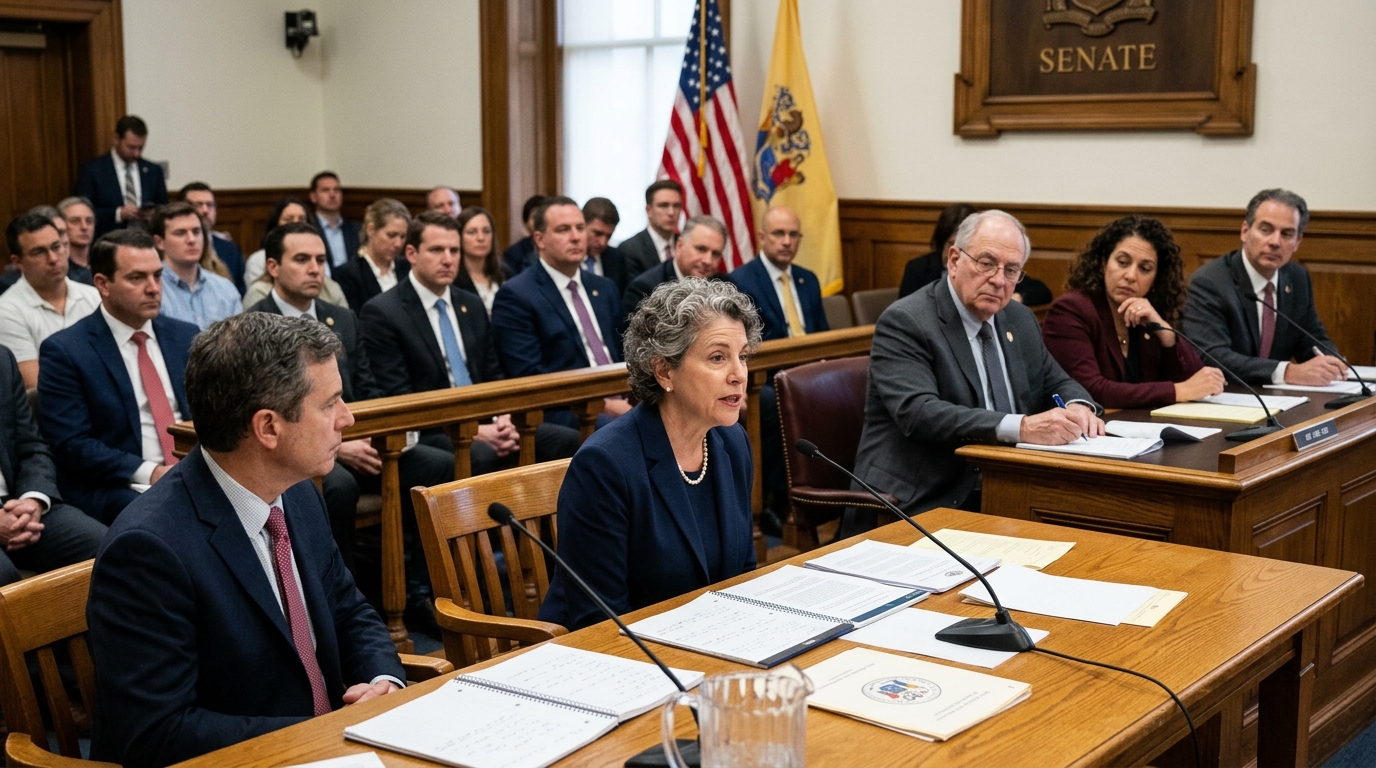
Hawley’s strategy extends beyond mere rhetoric. In a rare display of bipartisanship, he has partnered with Democratic Senator Richard Blumenthal to push for a rigorous regulatory framework. The core pillars of this proposal include:
- Stripping Immunity: The proposal seeks to clarify that Section 230—the legal shield protecting platforms from liability for third-party content—does not apply to AI-generated content.
- Model Licensing: Establishing a federal oversight body that would require licenses for the development of high-risk AI models.
- Transparency and Data Protection: Mandating the labeling of AI-generated content and imposing strict rules on the use of personal data for training models.
This approach has caused significant friction within the GOP. The libertarian wing of the party, led by figures with ties to venture capital, argues that such regulations will stifle innovation and hand the global lead to China. However, Hawley counters that national security cannot be used as a convenient shield for unchecked monopoly power.
The GOP’s Internal Conflict
Hawley’s stance mirrors a broader ideological battle within the American Right. On one side are the "traditionalists" who view technology as an engine of economic growth and believe in market self-regulation. On the other are the "New Right" figures, like Hawley and JD Vance, who view Big Tech as a hostile force that promotes a "woke" agenda and undermines the traditional family and the value of work.
"Artificial Intelligence will either be a tool that empowers the human person, or a weapon in the hands of the few to control the many. The choice for our party is clear," Hawley asserts.
The success or failure of Hawley’s initiative will depend on whether he can convince the Republican base that AI regulation is a fight for the "common man." In an election cycle where economic anxiety remains paramount, linking AI to job loss could prove to be a potent political strategy, reshaping alliances in Washington and setting the stage for a new era of technological governance.