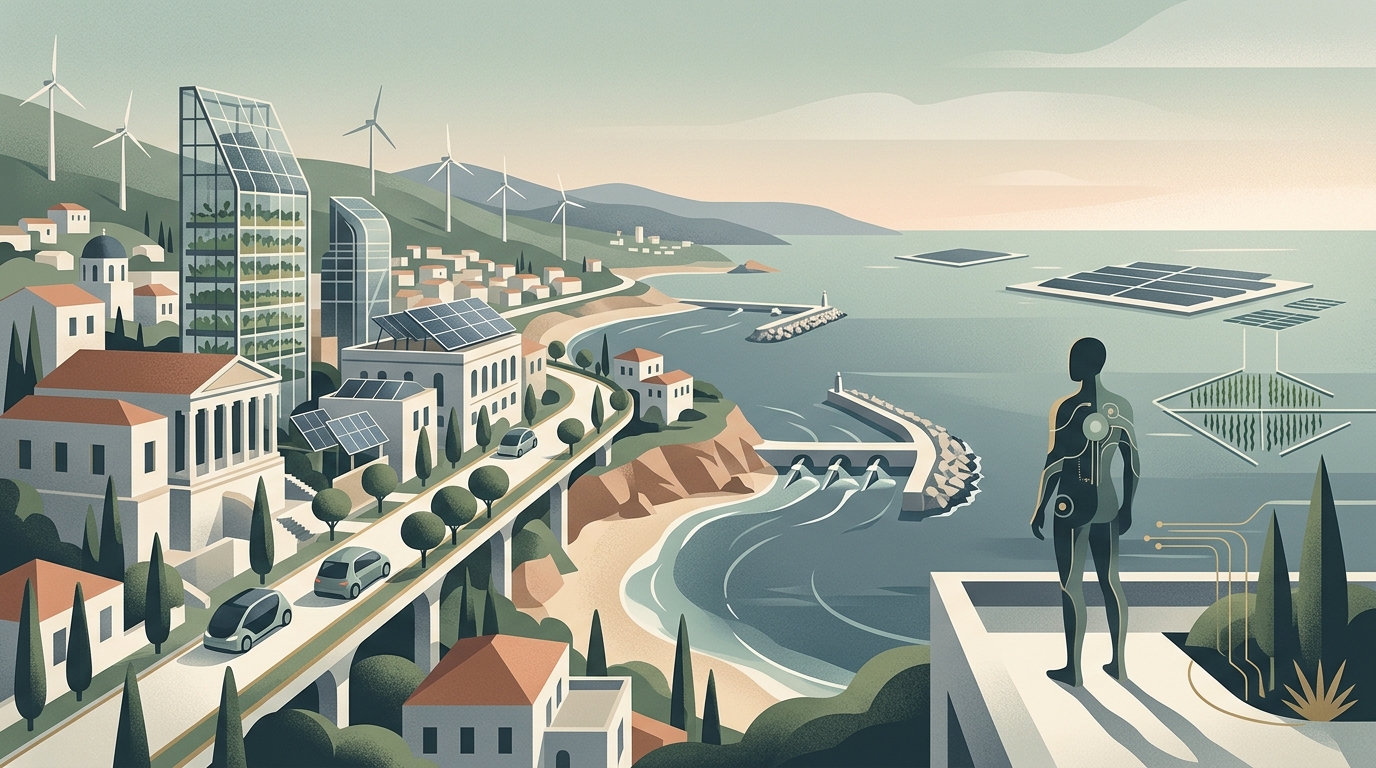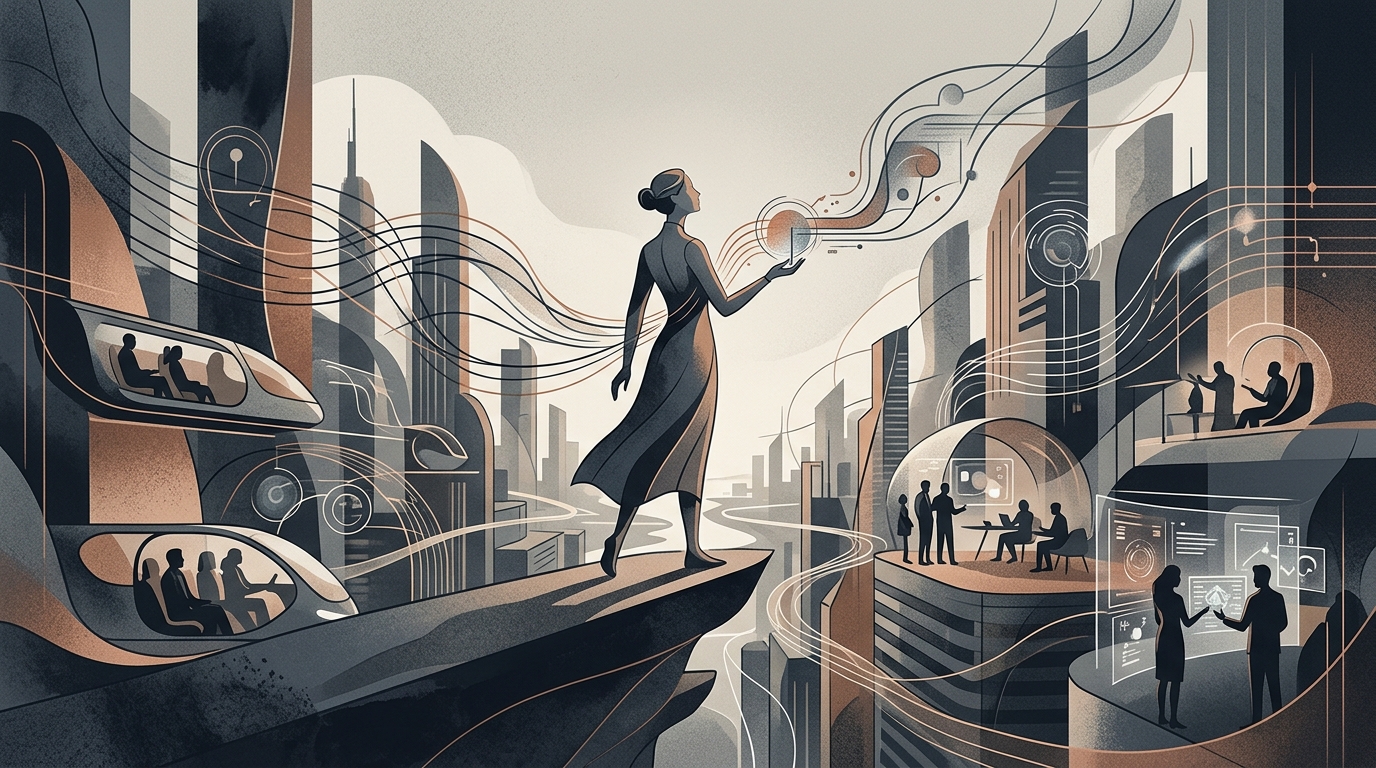
In an era where anxiety over the future of work dominates global discourse, Sam Altman, the visionary behind OpenAI, has stepped forward with a reassuring, albeit provocative, perspective. According to recent statements, the widespread fear that artificial intelligence (AI) will trigger an "employment disaster" is fundamentally misplaced. Instead of the end of labor, Altman envisions the dawn of a new era where human creativity and productivity will soar to heights currently unimaginable.
The Shift from Jobs to Tasks
Altman’s core argument rests on a crucial distinction between "jobs" and "tasks." AI, he contends, is exceptionally skilled at automating specific tasks, but it can rarely replicate the full spectrum of responsibilities that define a human professional role. For instance, a software engineer does not merely write code; they solve complex problems, collaborate with cross-functional teams, and navigate business contexts. While AI can generate code faster, it allows the human professional to focus on high-level architecture and strategic decision-making.
This evolution is not unprecedented. Historically, every major technological leap—from the steam engine to electricity and the internet—initially sparked terror regarding mass unemployment. Yet, the ultimate result has consistently been the creation of more jobs, often in sectors that were inconceivable before the technology's advent. Altman argues that the "infinite demand" for human improvement and status will ensure that the need for human labor remains high, even as its nature undergoes a radical transformation.
The Challenge of Velocity and Social Adaptation
Despite his optimism, the OpenAI CEO does not turn a blind eye to the hurdles ahead. His primary concern is not *whether* jobs will exist in the future, but *how fast* the transition will occur. In previous industrial revolutions, society had generations to adapt. With AI, the change is happening within a few years. This unprecedented velocity could cause significant friction in the labor market, as workers find themselves needing to reskill at a pace that current educational systems are ill-equipped to handle.
Altman has frequently discussed the necessity of new social contracts to mitigate this friction. He has championed ideas like Universal Basic Income (UBI) and, more recently, "Universal Basic Compute." The premise is that access to powerful AI models will become the fundamental infrastructure for individual economic success. The conversation is thus shifting from mere survival to systemic empowerment.
Human Connection as the Ultimate Competitive Edge
A compelling facet of Altman’s analysis is the belief that humans will continue to prefer human interaction for specific experiences. Despite AI's ability to create art, write prose, or provide medical advice, human connection, empathy, and social status remain values that a machine cannot fully replicate. "We want to know that someone else cares, that someone else put in the effort," he often notes. This suggests that the "human touch" will become a premium commodity in an AI-saturated world.
- AI will act as a "force multiplier" for the average worker, increasing individual output.
- Sectors such as healthcare, education, and personalized services will see a surge in demand for human professionals.
- Fluency in AI tools will become a core literacy, as essential as reading and writing.
In conclusion, Sam Altman’s perspective invites us to view artificial intelligence not as an intruder coming to steal our livelihoods, but as a partner that will liberate us from drudgery. By offloading routine tasks to silicon, we are free to engage in more meaningful and creative endeavors. The challenge for governments and organizations lies in managing this transition with foresight, ensuring that the fruits of the "Intelligence Age" are distributed equitably across society.