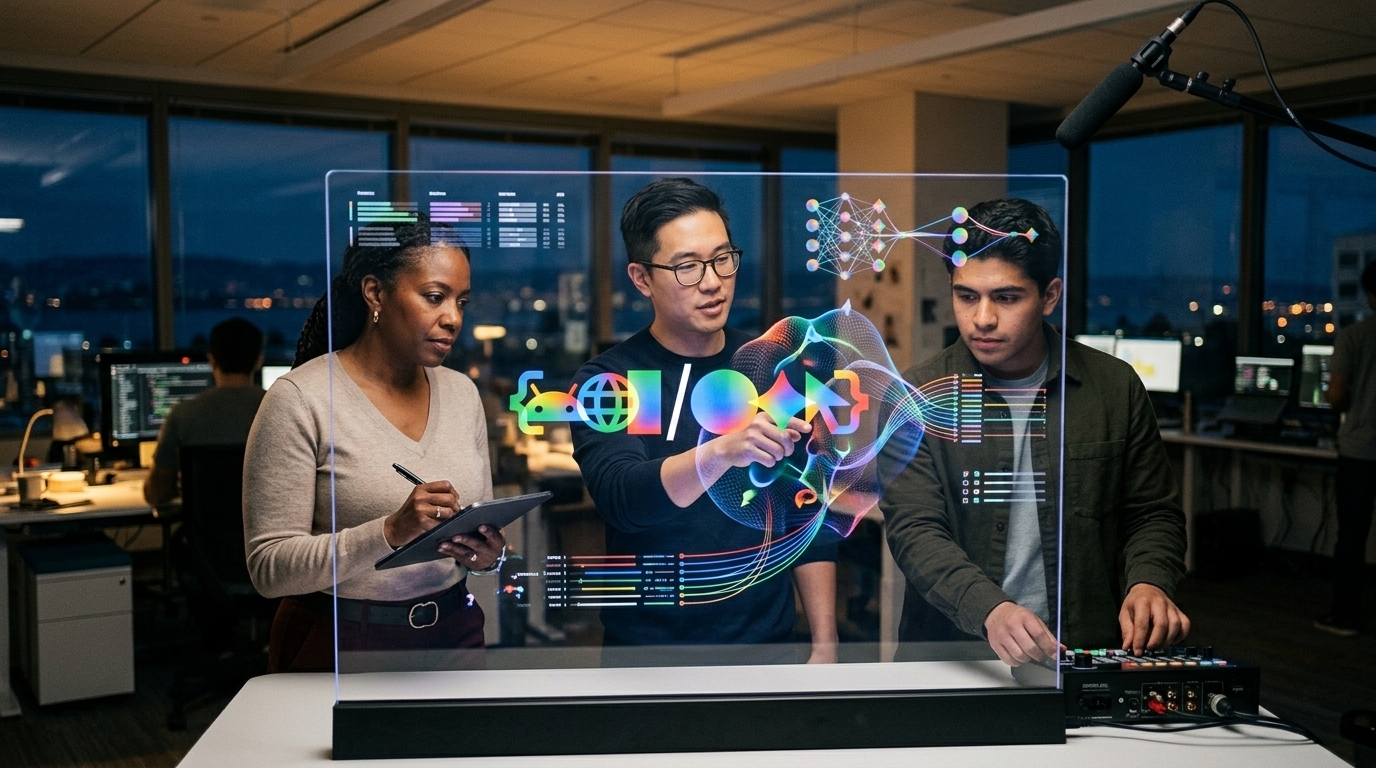
As we navigate the first half of 2026, the discourse surrounding Artificial Intelligence (AI) has shifted from what machines can do to what remains for humans to achieve. What began as a race for algorithmic supremacy has evolved into an existential quest that constantly changes shape. The relationship between the human mind and digital intelligence is no longer a tool-user dynamic but a complex symbiosis reshaping neuroplasticity, decision-making, and the very concept of creativity.
The Phenomenon of Cognitive Offloading
One of the most critical phenomena of the current decade is "cognitive offloading." As we delegate more mental functions—from memory and scheduling to writing and data analysis—to AI systems, the human brain begins to adapt. Historically, every technological revolution changed how we interact with the world, but AI touches the core of our cognitive process.
According to recent studies, reliance on Large Language Models (LLMs) for problem-solving may be weakening certain critical faculties while simultaneously freeing up mental resources for higher-level synthetic thinking. The question arises: is this trade-off beneficial in the long run? If we stop practicing basic logic because a machine provides it in fractions of a second, do we risk losing the ability to challenge the outputs we are given?
Redefining Intelligence in the Age of Silicon
The concept of "intelligence" is undergoing a radical reassessment. For decades, the ability to process information and solve mathematical problems was considered the pinnacle of human intellect. Today, these are the fields where AI reigns supreme. Consequently, value is shifting toward traits that remain—for now—deeply human: empathy, ethical judgment, strategic intuition, and the ability to ask the right questions rather than just providing answers.
"Artificial Intelligence is not our competitor, but our mirror. It forces us to see what truly makes us unique when logical processing becomes a commodity."
In this "race that keeps changing shape," the winners will not necessarily be those with the fastest processors, but those who can combine technological power with human wisdom. Education worldwide is at a turning point, attempting to teach students how to collaborate with AI without becoming passive consumers of it.
Geopolitics and the Ethics of Power
The geopolitical dimension of this race cannot be ignored. As analysts from Israel and other tech hubs point out, AI dominance is equivalent to the nuclear power of the 20th century. However, the difference is that AI is pervasive and affects the daily life of every citizen. The concentration of this power in a few corporations or states poses risks to democracy and individual liberty.
- The need for transparent algorithms that do not reproduce biases.
- The protection of intellectual property in a world where AI "feeds" on human creation.
- Ensuring that technological progress does not widen the gap between wealthy and poor nations.
In conclusion, the race between the human mind and AI is not a race to a finish line but a continuous process of evolution. The challenge for humanity in 2026 is to maintain control of the narrative, ensuring that technology remains in the service of human flourishing rather than the other way around.