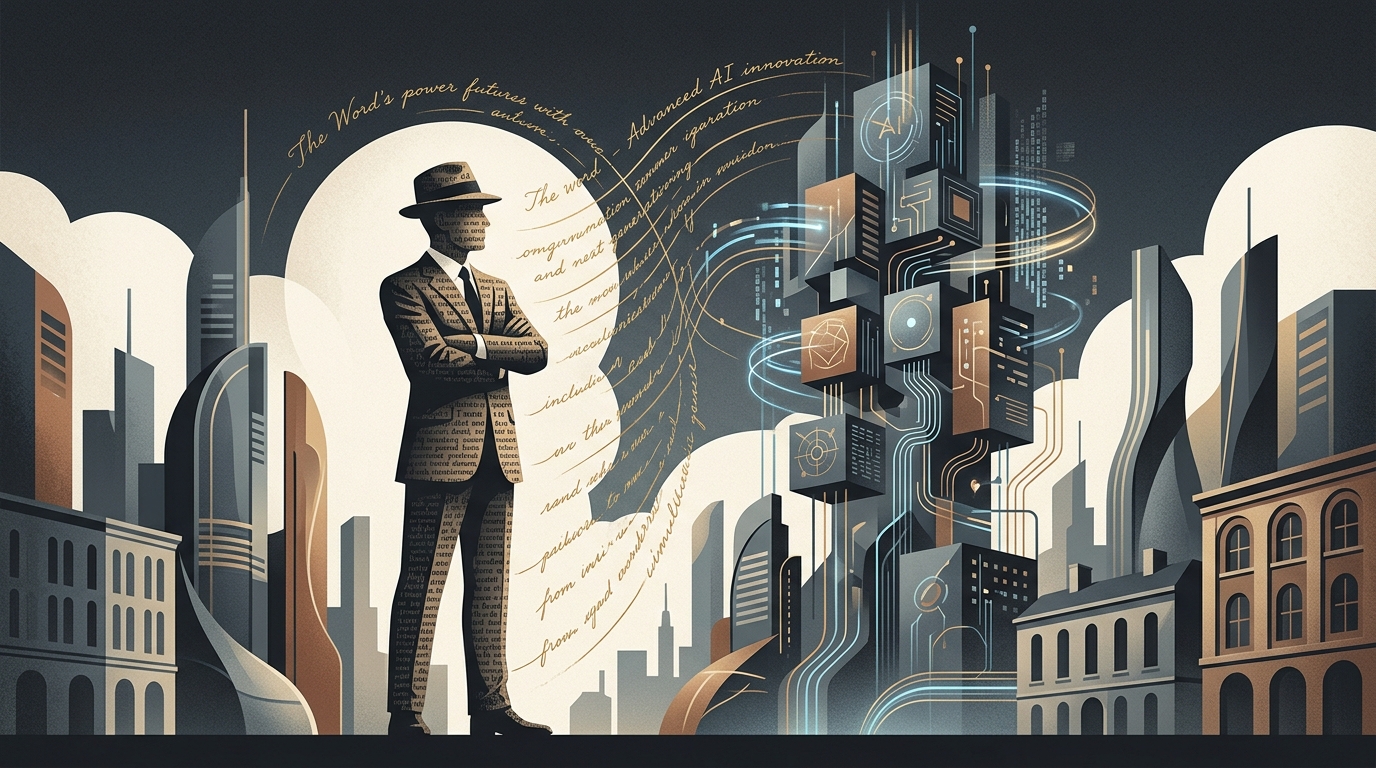
In the heart of the fourth industrial revolution, history seems to be repeating itself in a way that Wall Street stubbornly refuses to integrate into its risk models. The rise of Artificial Intelligence (AI) is no longer just a technological milestone or a stock market opportunity; it is rapidly transforming into a battlefield of social conflict. The term "Luddism," often used pejoratively to describe those who fear progress, is returning to the spotlight—this time, not with hammers smashing looms, but with political pressure, strikes, and digital sabotage.
The Historical Analogy and the Misunderstanding of Luddism
To understand the risk facing today's AI investments, we must correct the historical record regarding the 19th-century Luddites. They were not technophobes; they were skilled artisans who saw their standard of living collapse as industrialists used machines to devalue labor. Today, AI threatens not just manual labor but the "creative class"—lawyers, programmers, artists, and analysts.
Investors have focused almost exclusively on productivity gains. NVIDIA, Microsoft, and OpenAI promise a world where the marginal cost of intelligence approaches zero. However, this equation ignores social friction. When large segments of the population feel that technology is not working for them but against them, a backlash is inevitable. The "Neo-Luddites" of 2026 are not a fringe group but a growing coalition of workers demanding protection from automation.
The Blind Spot of Markets: Political and Social Risk
Why do investors underestimate this risk? The answer lies in the short-term nature of financial markets. Gains from AI efficiency are immediately visible on balance sheets. In contrast, the cost of social destabilization is diffuse and long-term.
- Regulatory Blowback: Governments, under pressure from voters, may impose "robot taxes" or strict limitations on AI usage, drastically reducing investment profitability.
- Cultural Boycotts: We are already seeing a shift toward "Human-Made" content. If AI becomes synonymous in the public consciousness with unemployment and alienation, its commercial value will suffer.
- Legal Quagmires: Massive lawsuits over copyrights and model training are just the beginning of a long legal saga that could freeze development for years.
The Economic Paradox: Who Will Consume?
A fundamental principle of capitalism, often forgotten by proponents of total automation, is that machines do not consume. If AI leads to massive wage compression or structural unemployment, aggregate demand in the economy will collapse. Companies investing billions to replace employees with algorithms may find that, in the end, there are no customers with purchasing power left to buy their products.
"Technology is not destiny. It is a choice about how we distribute power and resources in a society. If AI becomes the tool of ultimate inequality, society will reject it like a body rejects a foreign graft."
In regions like the Mediterranean, where economies rely heavily on services and tourism, the risk is particularly acute. While the digitalization of the state and businesses offers opportunities, the lack of a robust social safety net for those displaced by AI could lead to social unrest reminiscent of the previous decade's crises.
Conclusion: Toward a New Social Contract
Investors must stop viewing AI as a purely technical issue and begin treating it as a deeply political one. The sustainability of tech investments depends on a "social license to operate." This means that a portion of AI-driven profits must be redirected into retraining, reducing working hours without pay cuts, and enhancing human creativity.
Neo-Luddism is not a threat to be suppressed but a warning signal. If markets continue to ignore the human dimension of technological change, they risk facing a systemic crisis that no amount of computing power can solve. Progress that leaves society behind is not progress—it is risk.