In an era where algorithms dictate everything from our consumer habits to our political leanings, the question of what makes us human has taken on an urgent, almost existential tone. The recent call from the Vatican, broadcast through its official channels, is not merely a religious intervention but a profound philosophical and ethical outcry for the protection of the 'human spirit' against the encroaching tide of digital automation. The message is clear: we must think, collaborate, and learn in ways that machines cannot replicate.
The Rise of 'Algorethics'
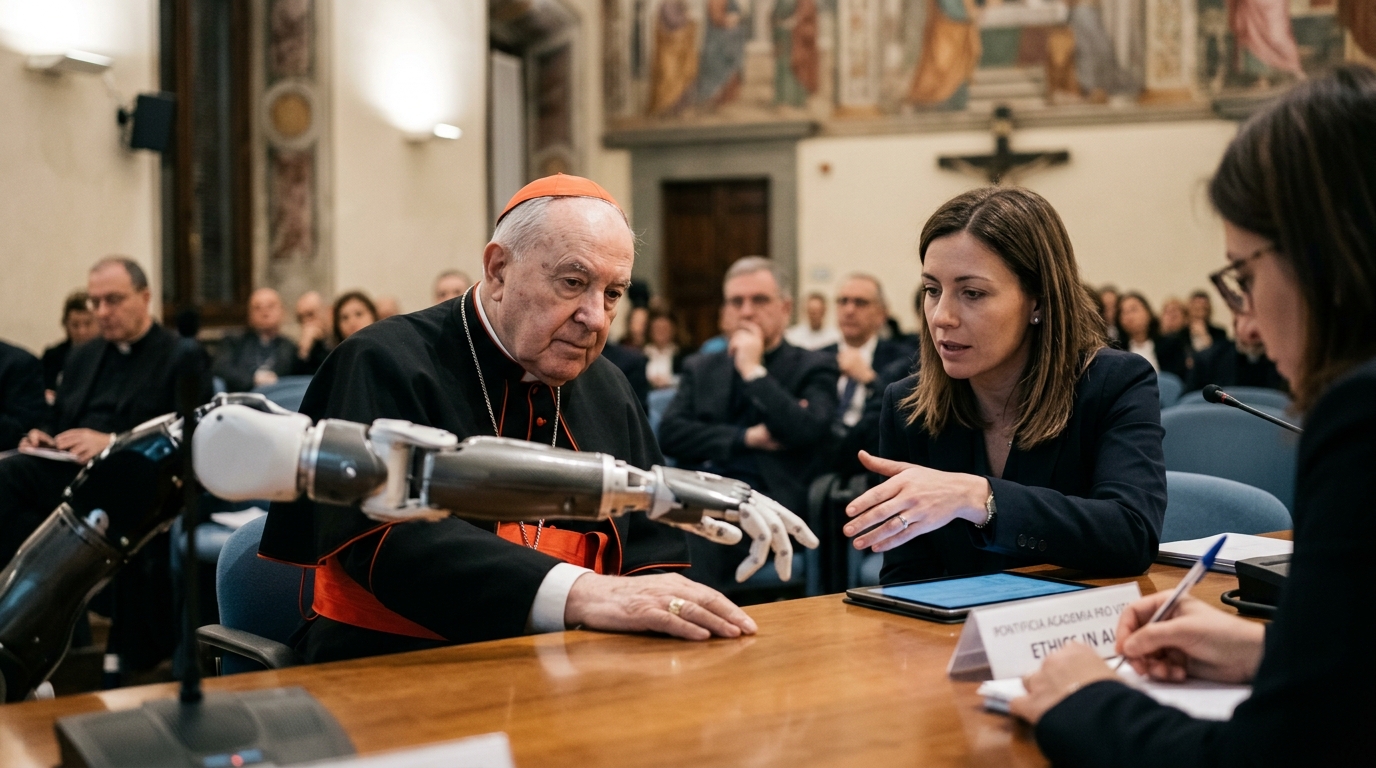
The term 'Algorethics,' introduced by the Vatican and championed by Pope Francis, serves as the cornerstone of the Church's stance on technology. This is not about simple software regulation; it is about embedding ethical values into the very architecture of Artificial Intelligence (AI). The concern lies in the fact that if we leave AI development solely to market forces and technocratic efficiency, we risk creating a world where human judgment is sidelined in favor of the cold logic of data.
"Technology must serve the human person, not the other way around. The heart of humanity cannot be encoded in binary form," the communique states.
This approach emphasizes that AI lacks 'empathy' and 'consciousness'—two traits essential for making decisions that affect the lives and freedoms of individuals. The Vatican argues that collaboration between science, ethics, and religion is necessary to ensure these systems remain tools rather than masters.
Thinking and Learning: The Human Distinctiveness
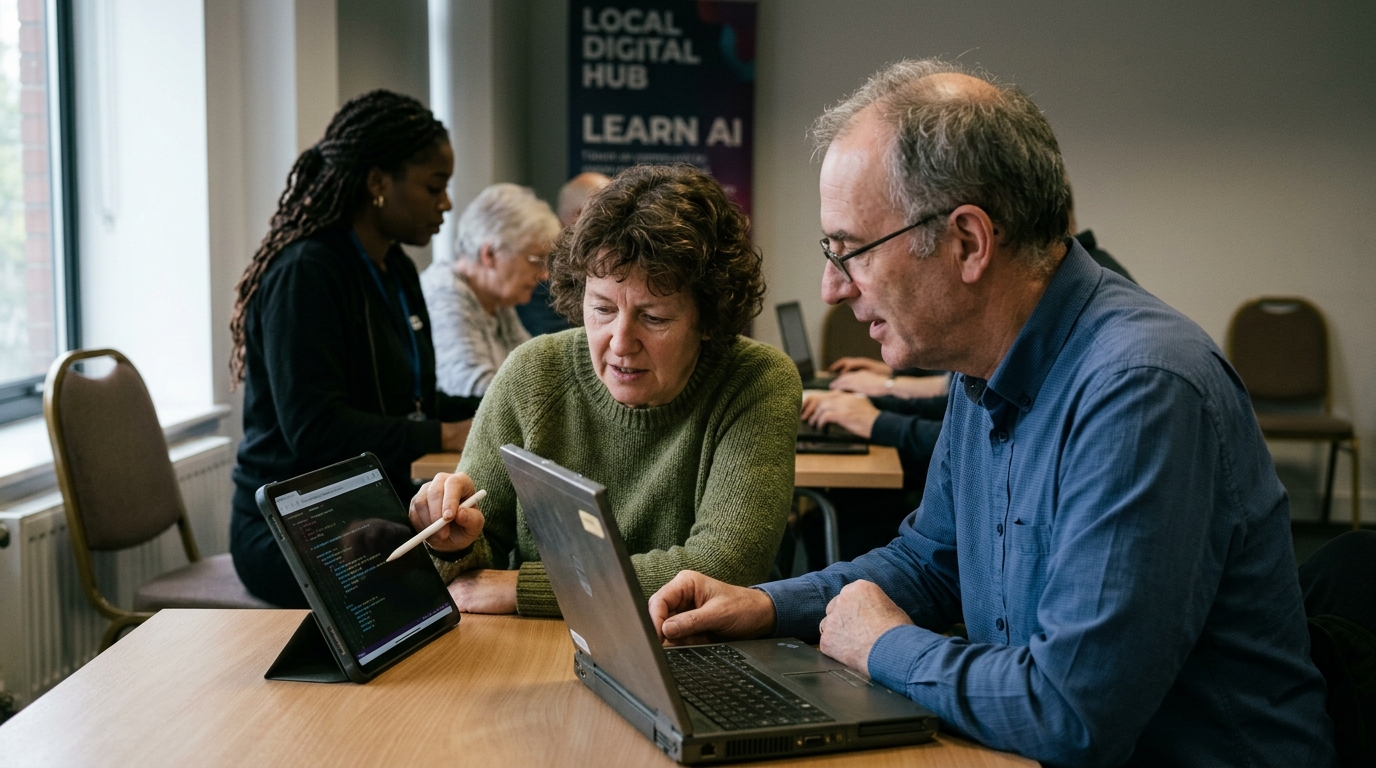
One of the central pillars of the Vatican’s analysis is the need for an educational revolution. In a world where information is abundant but wisdom is scarce, the capacity for critical thinking becomes the ultimate defense. Learning in the age of AI should not be limited to acquiring skills to operate machines, but rather to cultivating the ability to question, evaluate, and synthesize information with an ethical compass.
- Critical Thinking: The ability to discern truth from algorithmic misinformation and deepfakes.
- Creative Collaboration: Using AI to solve global problems, such as climate change, without losing the human touch.
- Lifelong Learning: Understanding that knowledge is a spiritual process, not a mere data download.
Collaboration, according to the Vatican, is not just about the human-machine relationship, but primarily about the relationships between humans mediated by technology. There is a risk that AI could lead to a new type of isolation, where people interact more with digital assistants than with their neighbors. The challenge is to use technology to build bridges rather than walls.
Global Governance and the 'Common Good'
The Vatican's intervention is not limited to spiritual exhortations. It has already spearheaded the 'Rome Call for AI Ethics,' an initiative signed by giants like Microsoft and IBM, as well as representatives of other major world religions. The demand is for the creation of an international legal framework governing AI development, ensuring it does not widen social inequalities.
In 2026, as AI becomes fully integrated into state administration and healthcare, the need for transparency and accountability is more pressing than ever. The Vatican warns that an 'algorithmic dictatorship' could lead to a two-tiered society: those who control the technology and those who are controlled by it. Preserving our humanity requires a conscious effort to remain at the center of decision-making, maintaining 'human-in-the-loop' not just as a technical term, but as a moral imperative.
Conclusion: A Call to Action
Ultimately, preserving our humanity in the age of AI is not a passive process. It requires the active cultivation of the virtues that make us unique: compassion, justice, and love. The Vatican reminds us that while AI can process billions of data points in seconds, it cannot feel the agony of a sufferer or the joy of a creation. The challenge for humanity is to not let the glint of silicon blind us to the light of the soul.