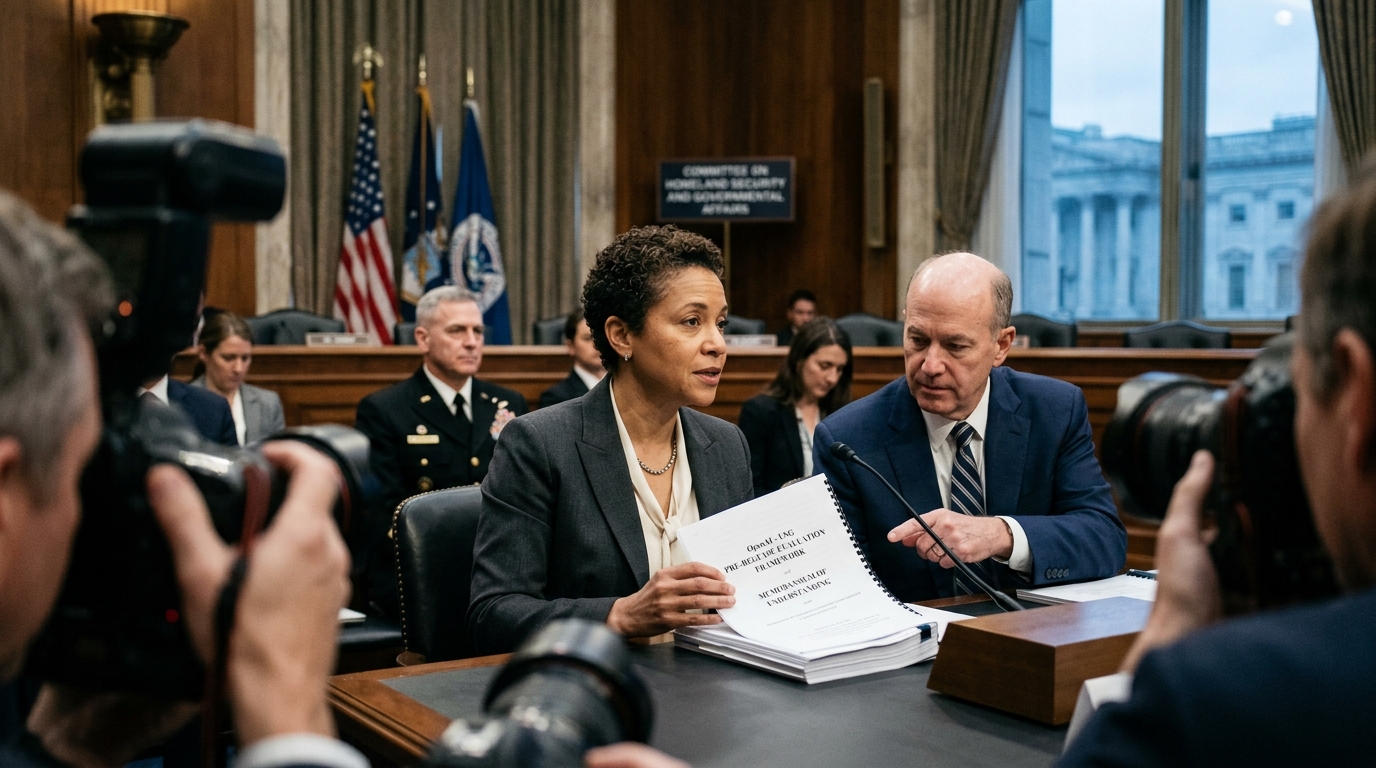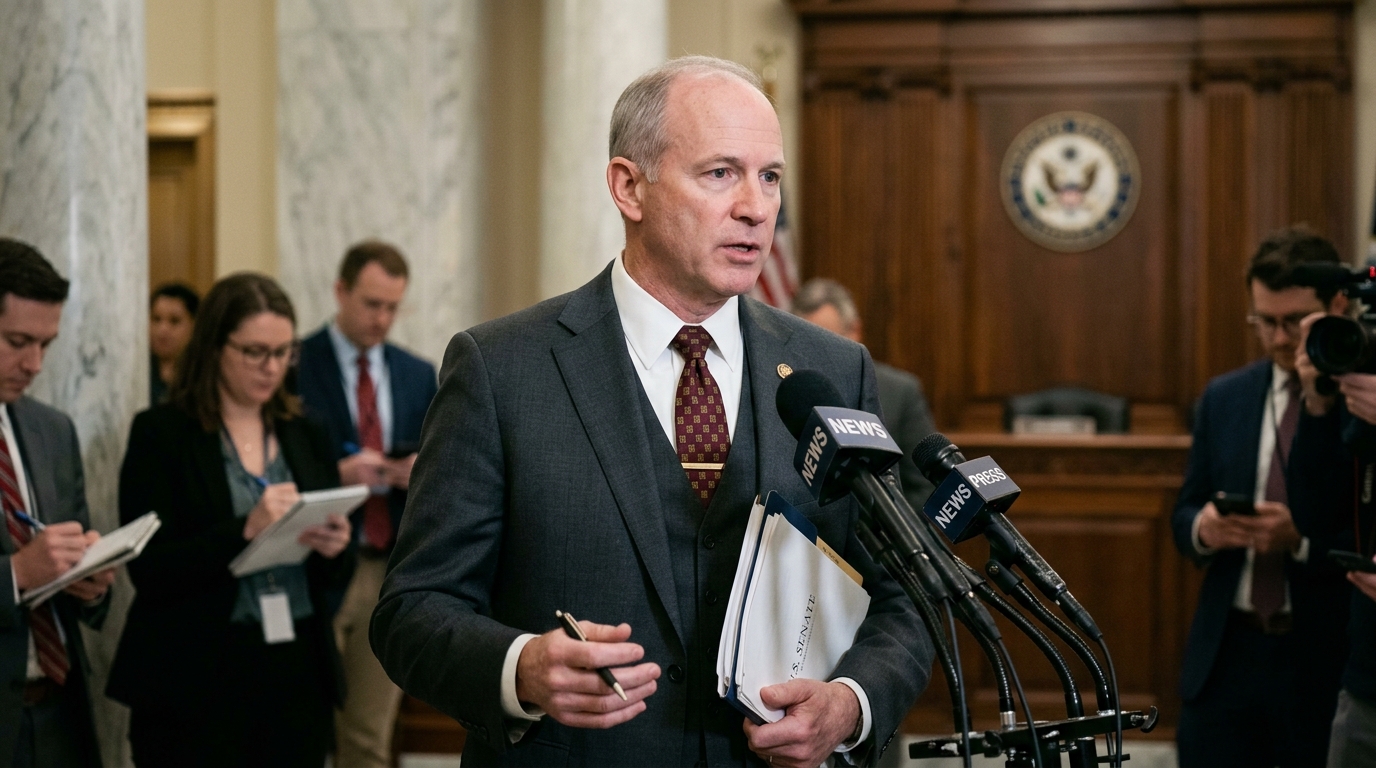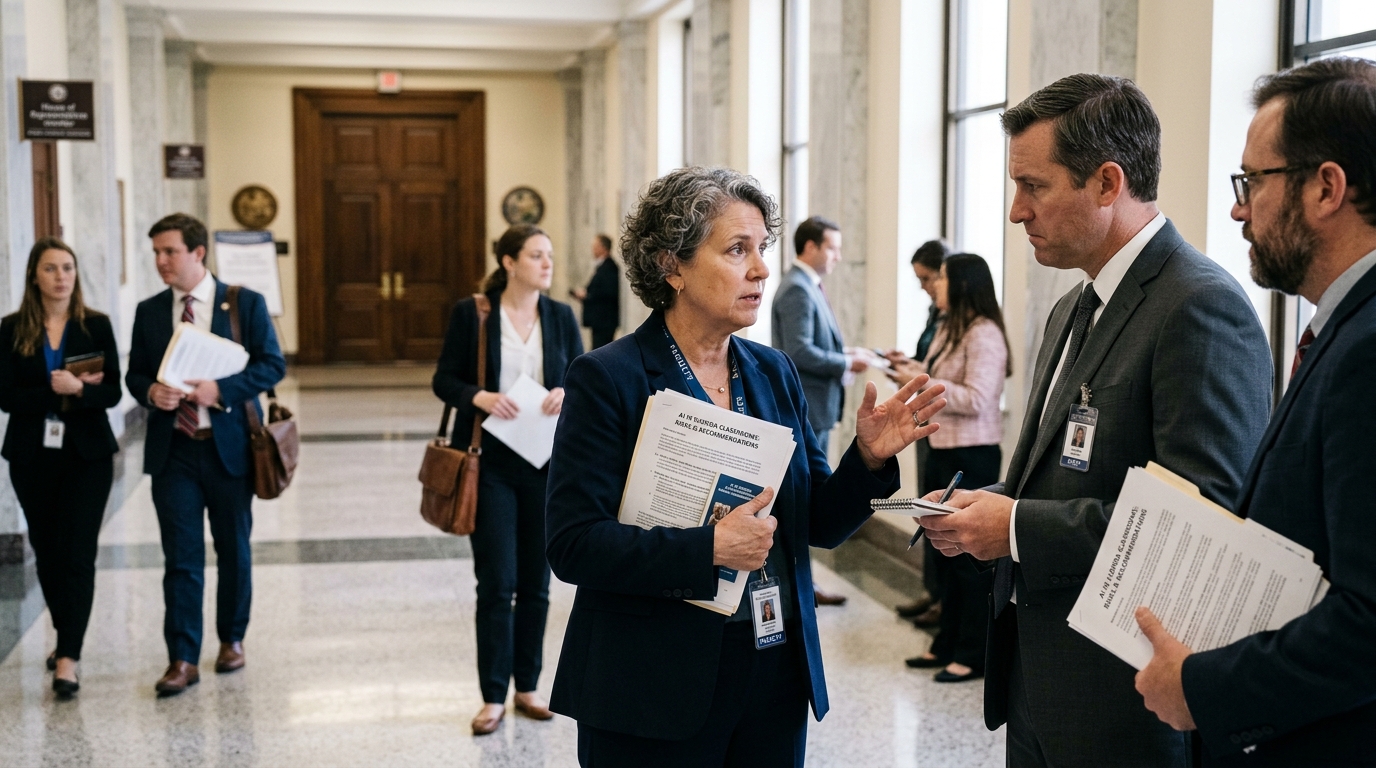
The integration of Artificial Intelligence (AI) into Florida’s educational landscape has become a focal point of intense debate. Recently, educators and academic leaders met with Lieutenant Governor Jeanette Nuñez to voice significant reservations about the current trajectory of AI adoption in schools. While the state aims to position itself as a global leader in technological innovation, those on the front lines of the classroom are warning that a rushed deployment of AI tools without robust regulatory frameworks could undermine the core of learning and expose students to unprecedented risks.
The Data Privacy Paradox
The primary concern raised during the meeting centers on the protection of student data. Educators argue that many AI tools entering classrooms operate as "black boxes," harvesting vast amounts of data from student interactions. "We aren't just talking about a child's name or address," noted one participant. "We are talking about their cognitive patterns, their learning struggles, and their personal opinions, all of which feed the algorithms of private corporations with no guarantee of how this data will be used in the future."
These fears are grounded in the realities of 2026. We have already witnessed instances where educational platform data was utilized to build "psychographic profiles" that follow students into adulthood, potentially affecting university admissions or even credit scores. Educators are calling on the Florida government to enact legislation that explicitly bans the commercialization of data generated within the school environment.
Erosion of Critical Thinking and Academic Integrity
Beyond technical logistics, the discussion delved into the pedagogical impact of AI. There is a growing fear that over-reliance on Generative AI models is turning students into passive consumers rather than active thinkers. When a machine can synthesize an essay or solve complex calculus in seconds, the process of "struggling" with knowledge—essential for neurological development and critical analysis—is bypassed.
- Loss of the ability to construct original, nuanced arguments.
- Difficulty in distinguishing between truth and AI-generated "hallucinations."
- The weakening of the vital human connection between teacher and student.
Teachers emphasized that AI should be treated as a supplemental tool, not a replacement for instruction. However, the lack of clear state-level guidelines has left educators to police AI usage on their own, leading to burnout and inconsistent enforcement across districts.
The Widening Digital and Social Divide
Another critical issue discussed is the potential for AI to exacerbate existing inequalities. While private schools and affluent districts in Florida have the resources to teach students the "ethical use" of AI, underfunded public schools risk using the technology as a cost-cutting measure to fill staffing gaps. "We do not want a future where wealthy children are taught by humans and underprivileged children are taught by algorithms," union representatives stated emphatically.
Lt. Gov. Nuñez acknowledged these concerns but defended the necessity of technological adaptation, asserting that Florida cannot afford to fall behind in the global economy. Nevertheless, the pressure from the educational community appears to be yielding results; the state is now considering the formation of an AI Ethics Oversight Committee specifically for education, which would include active teachers and privacy experts.
Conclusion: A Human-Centric Path Forward
Florida stands at a crossroads. The decision on how to integrate AI into schools is not merely a technical one; it is a profound political and ethical choice. The warnings from educators serve as a reminder that technology must serve humanity, not the other way around. The demand for "algorithmic transparency" and the protection of students' intellectual autonomy must be the cornerstone of any future legislation. The stakes are high: shaping the citizens of tomorrow in a world where the line between human and artificial intelligence is increasingly blurred.