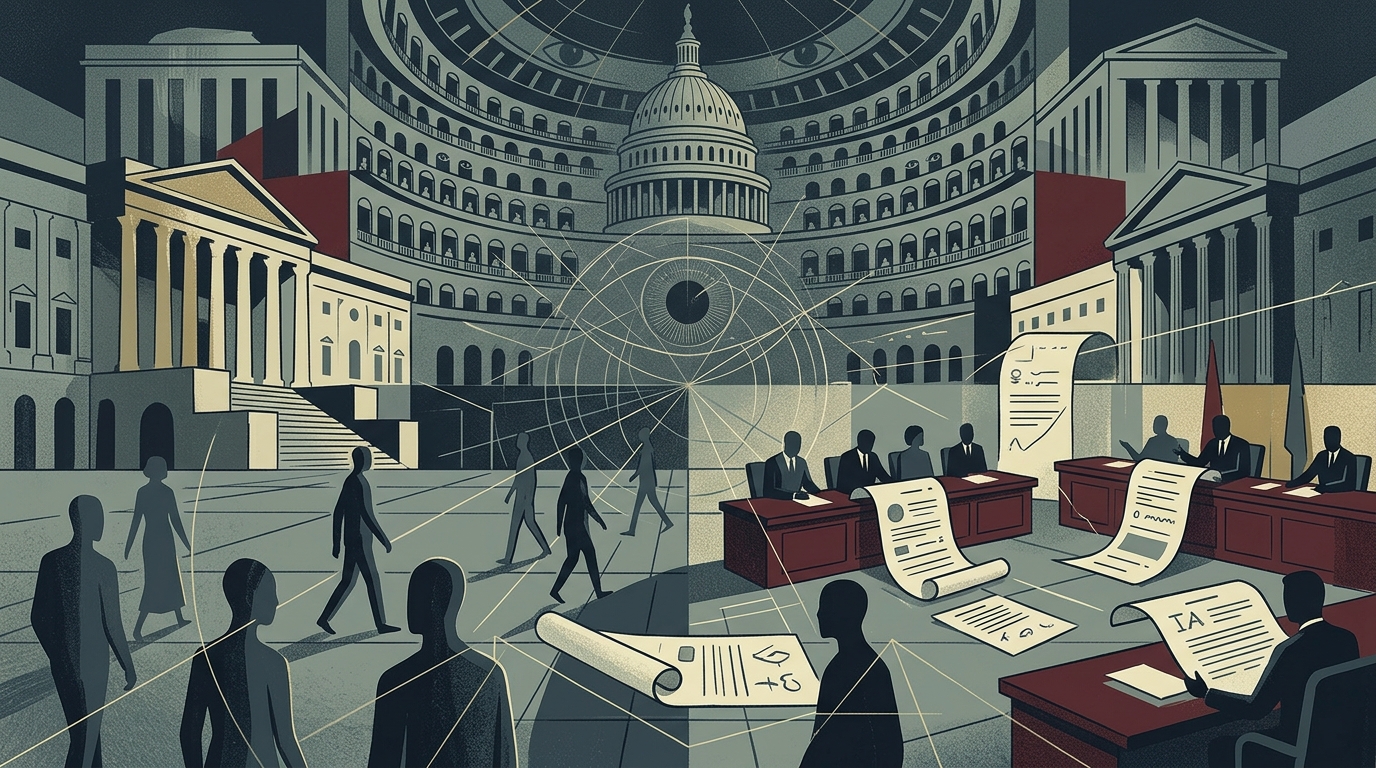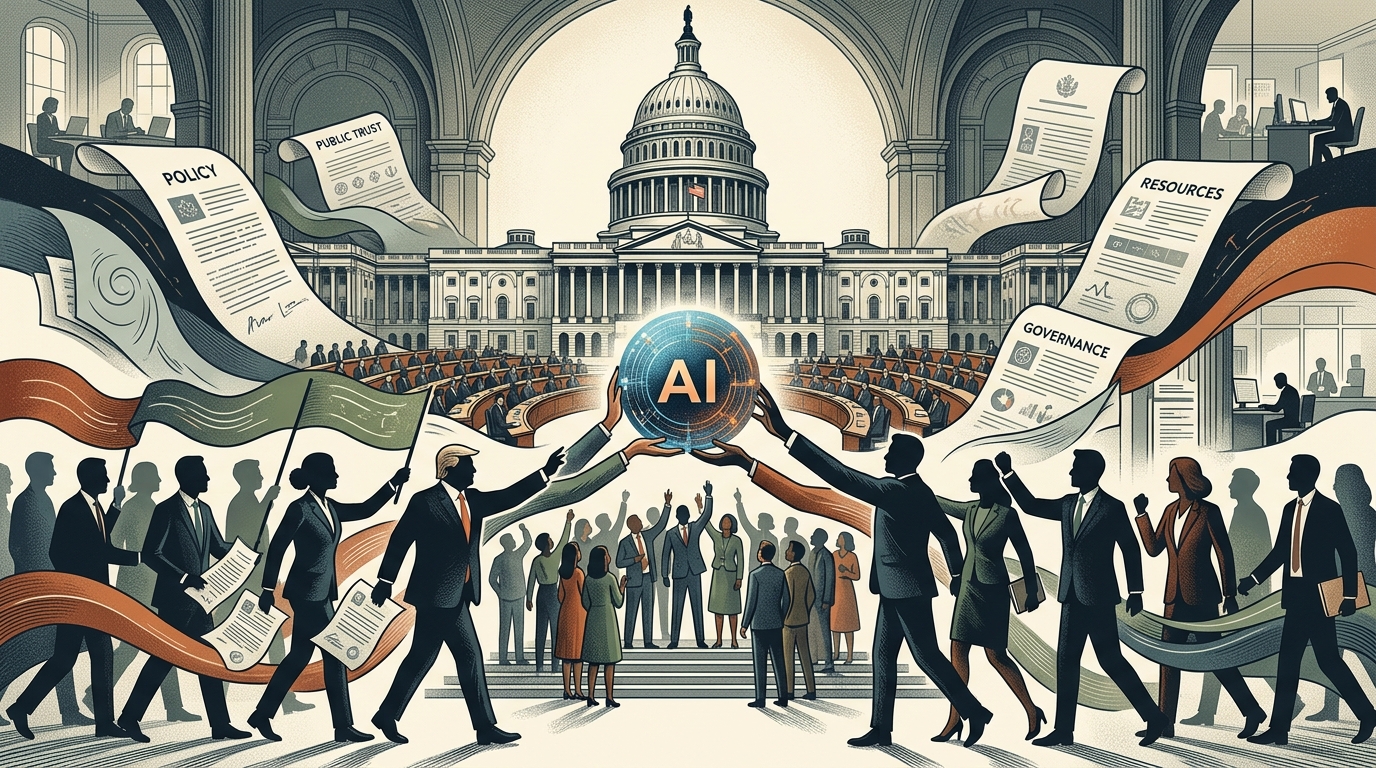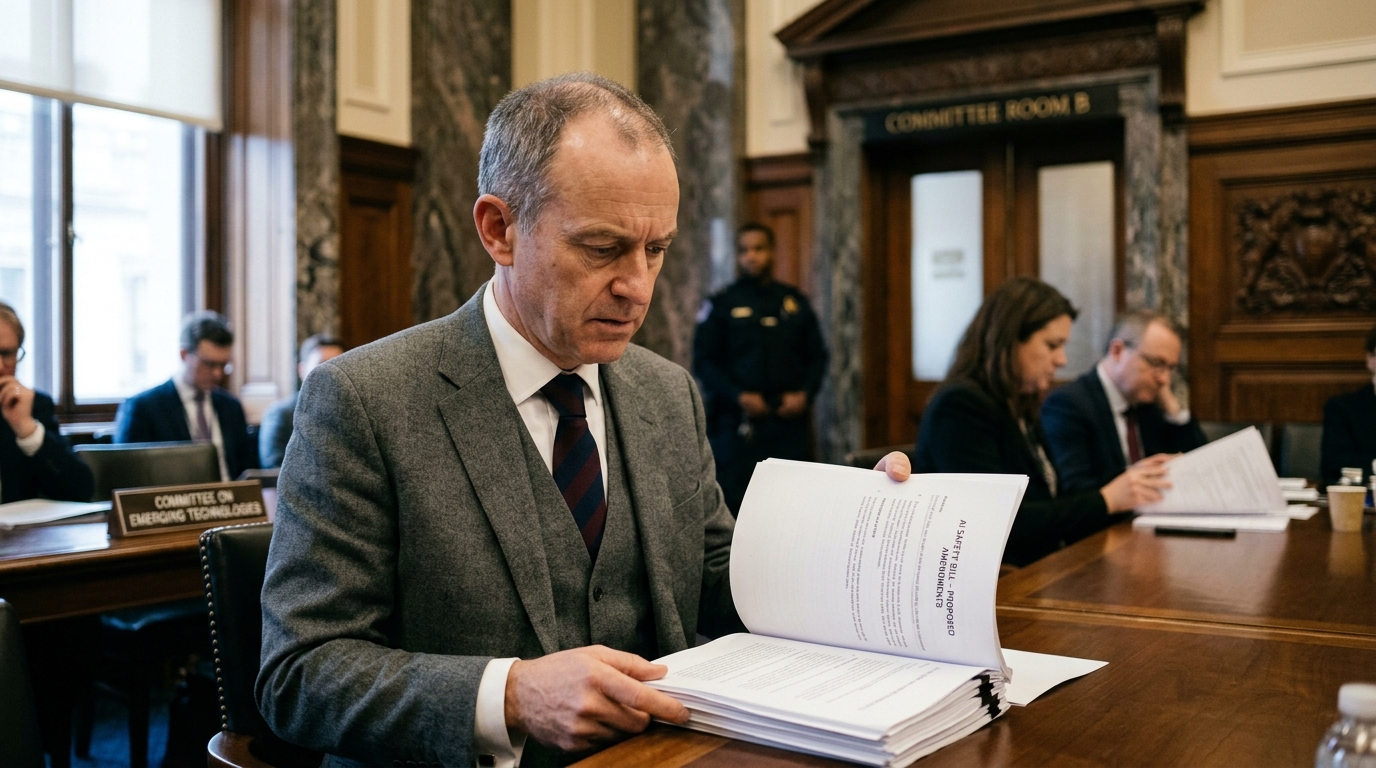
On May 22, 2026, the landscape of digital governance in the United States is experiencing a seismic shift. After months of intense deliberation, a landmark bill aimed at controlling the most powerful Artificial Intelligence models—known as Frontier Models—has advanced to a critical stage. This marks a historic transition from the era of "voluntary self-regulation" to one of state oversight. However, for the architects of this policy, the current text is not the final destination, but rather the foundation of a new ethical and legal order.
The Anatomy of Regulation: Compute Power and Liability
The bill focuses on what experts call "frontier models"—systems trained with computational power exceeding current benchmarks, possessing capabilities that could, theoretically, be used to create biological weapons or launch catastrophic cyberattacks. The central philosophy is simple yet radical: companies developing these models must now conduct rigorous safety testing and provide guarantees that their creations will not cause "critical harm."
One of the most controversial provisions is the requirement for a "kill switch." Developers are mandated to have the ability to fully deactivate a model if it begins to exhibit unpredictable and dangerous behaviors. For Silicon Valley, this is seen as technically infeasible and innovation-stifling. For legislators, however, it is a necessary safety valve in a world where code can self-improve. The debate centers on whether a machine that can think can ever truly be turned off once it is integrated into global infrastructure.
The "First Step" and the Expectation Gap
Despite the progress, digital rights advocacy groups remain cautious. They argue that the bill focuses too heavily on future "existential risks," neglecting the immediate harms caused by AI today: systemic bias, misinformation, and copyright infringement. "It's like building a dam for a flood that might come in ten years, while our house is leaking from the rain today," said one advocate for stricter regulation. This friction highlights the divide between those fearing a Terminator-style future and those concerned with the socioeconomic impacts of the present.
Proponents of the bill emphasize that targeting the largest models is a strategic choice. If the government can successfully impose rules on tech giants, regulating smaller applications will be easier. Furthermore, there is hope that this bill will serve as a blueprint for other states and perhaps federal legislation, avoiding a "patchwork" of conflicting rules that would confuse the market. The goal is to create a predictable environment for investment while maintaining public safety.
Industry Pushback and Global Competition
The reaction from tech giants has been predictably fierce. They argue that strict rules will lead to a "brain drain" to countries with more lenient frameworks, such as China, jeopardizing U.S. national security and economic dominance. The argument is that over-regulating innovation amounts to unilateral disarmament in the global AI race. Executives claim that the liability provisions could make developers fearful of releasing any new tools, effectively freezing the industry.
However, public opinion seems to be shifting. Following a series of scandals involving deepfakes and the collapse of trust in digital information, citizens are demanding more transparency. The bill proposes the creation of a new state agency to oversee compliance, a move many compare to the creation of the Federal Aviation Administration (FAA) after the advent of commercial flight. Technology is no longer a game for a few; it is a public infrastructure that requires public oversight. The era of "move fast and break things" is being replaced by "move carefully and document everything."
Conclusion: The Dawn of a New Era
This bill is not the end of the road, but the starting point of a continuous negotiation between the state and technological power. As models become smarter, legislation will have to evolve at the same speed—something governments have historically struggled to achieve. The success of this initiative will be judged not by whether it passes, but by whether it manages to create an environment where innovation does not sacrifice citizen safety on the altar of profit. The "first step" has been taken; the next ones will undoubtedly be more difficult as the stakes of the silicon age continue to rise.