In an era where geopolitical instability is redefining state priorities, Greece is taking a decisive step toward its technological autonomy. ResilienceTech, a Greek company active in defense technology, recently announced the completion and production of the first Greek flight controller. This is the 'brain' of Unmanned Aerial Vehicles (UAVs), a critical component that until now the country was forced to import, often with limitations in customization and control.
The Technical Challenge and the Greek Response
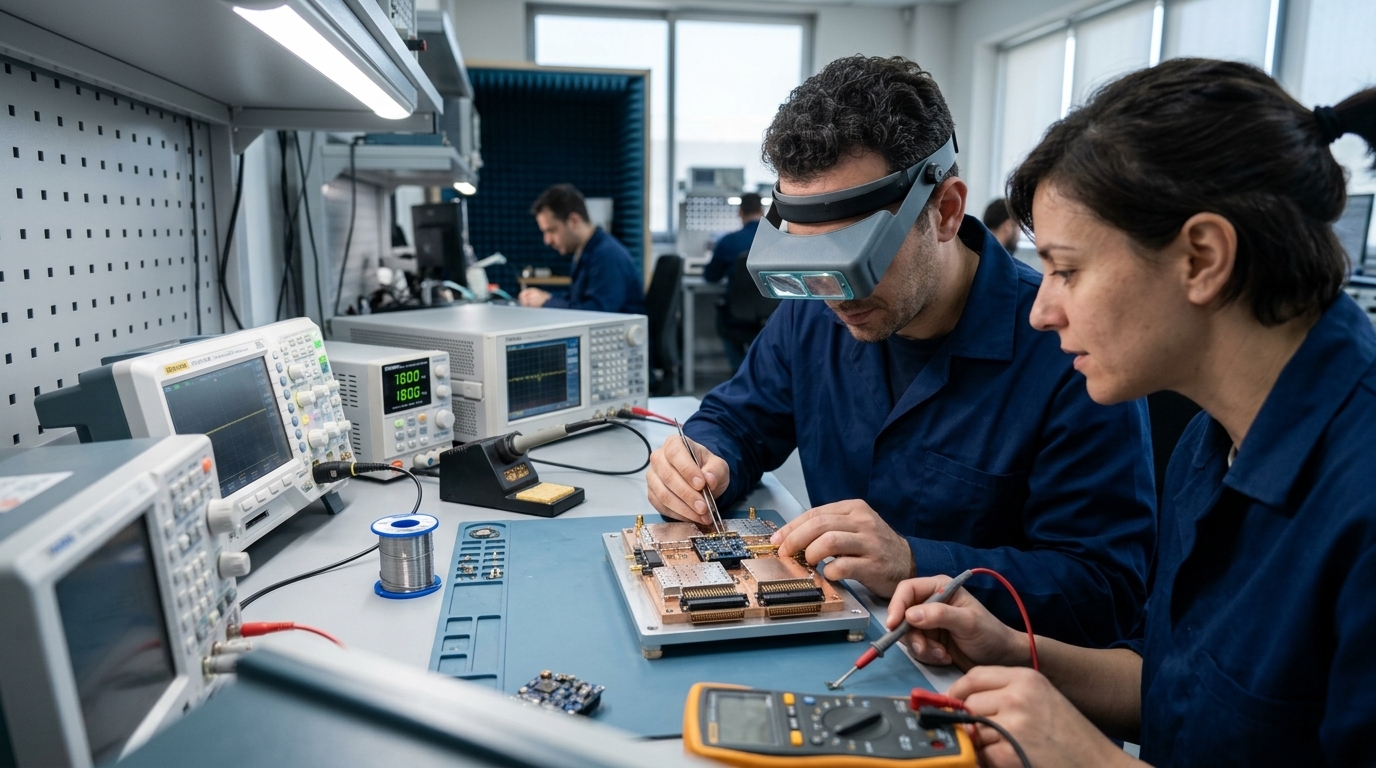
Designing a flight controller is not a simple matter of assembling parts. It requires deep knowledge of flight dynamics, advanced stabilization algorithms, and, above all, absolute security against interference (anti-jamming). ResilienceTech's proposal incorporates an architecture that allows the system to operate seamlessly even in environments with intense electronic warfare—a feature that has emerged as a top priority following lessons learned from modern battlefields in Ukraine and the Middle East.
Producing the system within Greek borders ensures that the supply chain remains secure and independent of external factors. As company executives point out, controlling both the hardware and firmware by Greek hands eliminates the possibility of 'backdoors' that could compromise national operations.
Strategic Autonomy and Geopolitical Footprint
For Greece, the development of domestic defense technology is not just an economic issue, but primarily a matter of national security. Dependence on foreign suppliers for critical drone components has proven to be an Achilles' heel for many countries in the past. With the new flight controller, Greece gains the ability to develop its own customized UAVs, tailored to the specific needs of the Aegean and its borders.
- Reduction of dependence on international suppliers (USA, China, Israel).
- Ability for immediate software upgrades according to the requirements of the Armed Forces.
- Strengthening Greece's position on the European map of defense innovation.
"Dominance in the skies of the future will not be judged only by the size of the aircraft, but by the intelligence and security of their control systems," notes an industry analyst.
Economic Prospects and the Future of Domestic Industry
This move by ResilienceTech is expected to act as a catalyst for the Greek technology ecosystem. The creation of high-specialization jobs and the curbing of 'brain drain' are immediate benefits. Furthermore, the flight controller has significant export prospects to allied countries, boosting the country's trade balance in the high-tech sector.
The challenge now shifts to mass production and the integration of the system into larger programs, such as the national 'Archytas' drone. Collaboration between the private sector, the academic community, and the Ministry of National Defense will be decisive in whether this success remains an isolated event or marks the beginning of a strong, outward-looking Greek defense industry.