In an era where the digital revolution and Artificial Intelligence (AI) are reshaping every facet of science, clinical research in Greece stands at a critical crossroads. Evangelia Koraki, President of the Hellenic Association of CROs (HACRO) and President & CEO of CORONIS Research, highlights a fundamental truth: despite the speed of algorithms, the heart of scientific progress remains profoundly human. Her interview with Fortune Greece is not merely a corporate presentation but a roadmap for establishing Greece as a global player in the life sciences sector.
Digital Transformation and the Human Factor
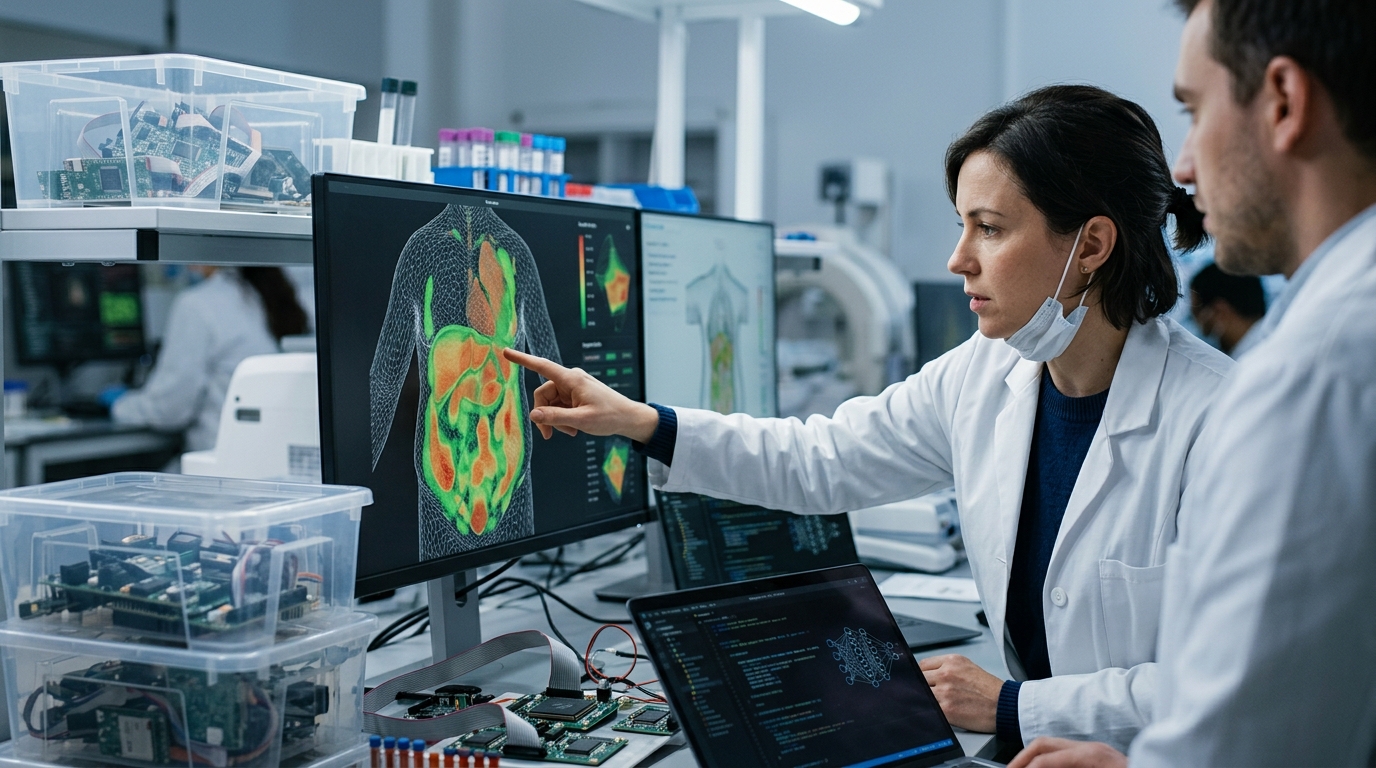
Clinical research is, by nature, a knowledge-intensive field. Ms. Koraki emphasizes that integrating AI and Big Data into the daily operations of Contract Research Organizations (CROs) is not a threat, but a powerful tool. The ability to process vast amounts of data in real-time allows for faster identification of suitable patients and more accurate monitoring of results. However, she insists that "empathy," "critical thinking," and "ethical judgment" are elements that no machine can replace.
According to Ms. Koraki, human capital is the true "raw material" of CORONIS Research. Investing in highly skilled scientists is not just about their technical proficiency, but also about their ability to navigate a complex regulatory framework while ensuring patient safety. In Greece, where the brain drain has been a wound for decades, clinical research offers a pathway for brain gain, creating high-value jobs that keep talent within the country.
Greece as a Center of Excellence in Clinical Research
Why can Greece take a leading role? Ms. Koraki’s answer is multi-layered. First, the high caliber of medical and scientific personnel in Greek hospitals. Second, the improvement of the institutional framework in recent years, despite remaining bureaucratic hurdles. Clinical research is not just a health issue; it is an economic one. Every euro invested in clinical trials yields multiple returns for the country's GDP, strengthening the public health system and providing free access to innovative treatments for thousands of patients.
- Attracting Foreign Direct Investment (FDI) from global pharmaceutical giants.
- Upgrading public hospital infrastructure through research funding.
- Training young scientists in cutting-edge technologies.
- Enhancing the international presence of the Greek scientific community.
HACRO, under her leadership, works systematically to promote these goals, seeking cooperation with the State to reduce delays in study approvals. Speed is the currency of our time in the global research market, and Greece must run faster than the competition to remain relevant.
The Challenge of AI and the Future
Looking to the future, Ms. Koraki envisions a hybrid reality. CORONIS Research is already investing in digital tools that enable Decentralized Clinical Trials (DCTs). This means that patients do not always need to travel to the hospital, as monitoring is conducted via wearable devices and telemedicine. This evolution makes studies more inclusive and reduces the burden on participants.
"Technology gives us wings, but humans hold the rudder. At CORONIS, we believe that science only gains meaning when it serves humanity with integrity and passion," she states.
In conclusion, the trajectory of CORONIS Research and the positions held by Evangelia Koraki demonstrate that Greece possesses the talent and strategic position to become a protagonist. The challenge lies in continuous investment in people and the courage to embrace digital transformation, ensuring the country is not just a destination for clinical trials, but an international hub for the production of new knowledge.