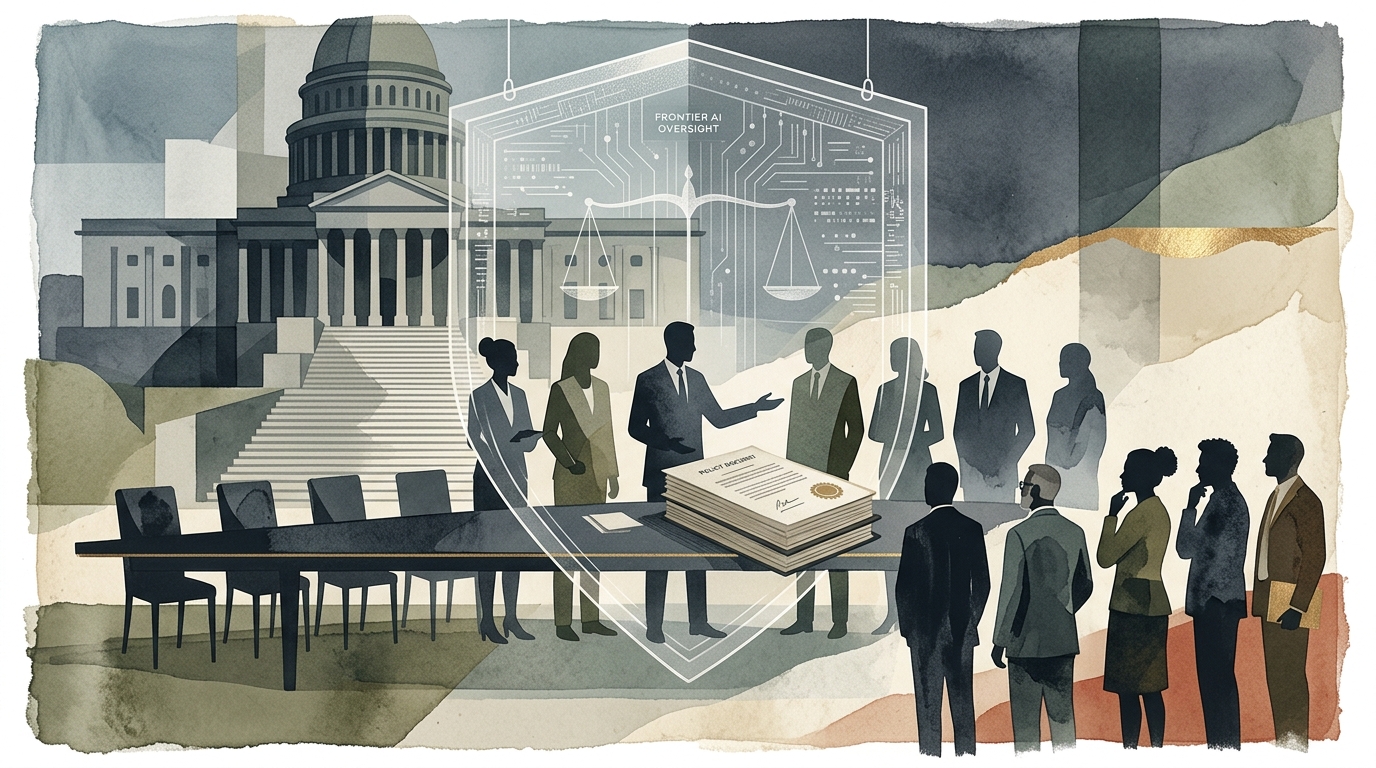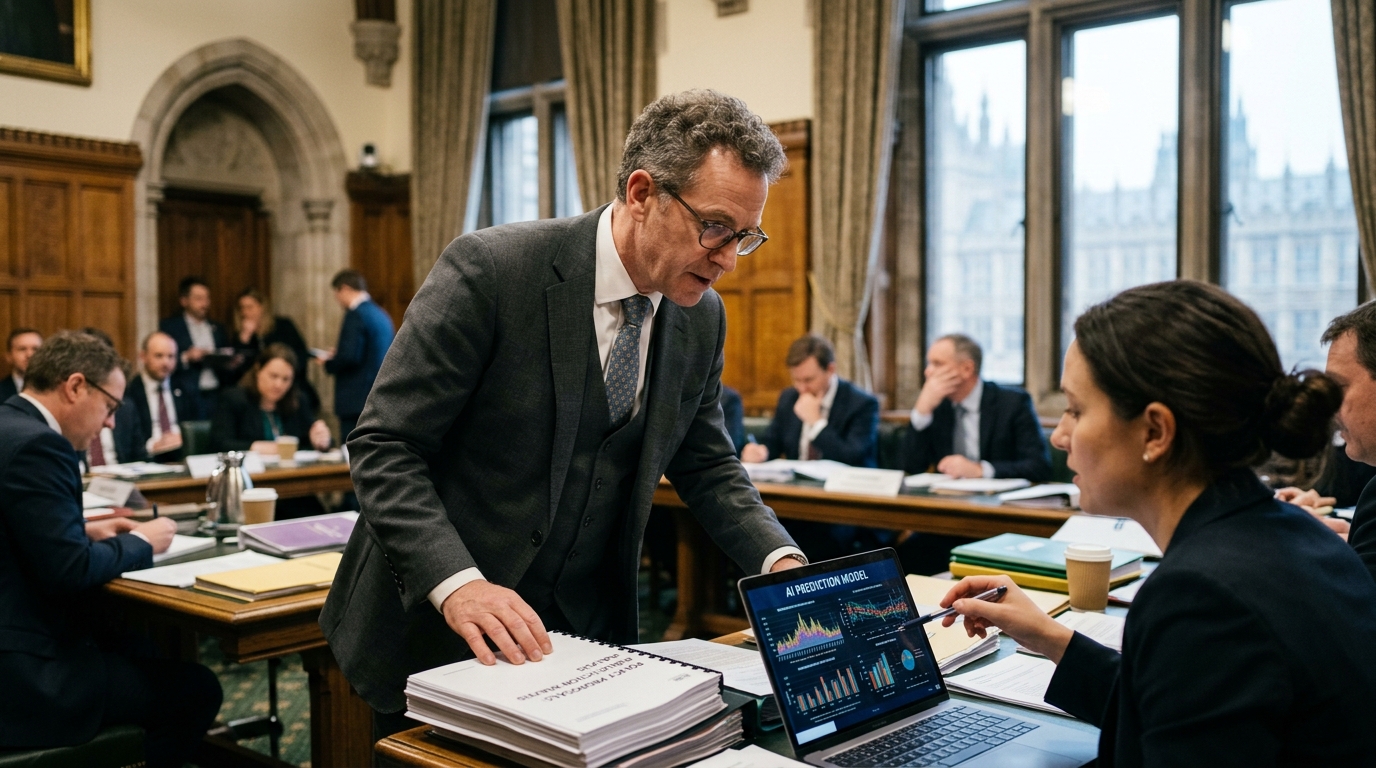
In the corridors of power, where political consultants, pollsters, and the intuition of seasoned officials traditionally reigned supreme, a new, silent player is taking a seat at the briefing table: Artificial Intelligence. The recent discourse regarding the use of advanced algorithms by government cabinets to predict citizen reactions to new legislation or economic measures is no longer a science fiction scenario, but an emerging reality transforming the state-citizen relationship.
The Shift from Polling to Simulation
For decades, governments have relied on polling to gauge public opinion. However, polls are often static, expensive, and prone to sampling errors. Artificial Intelligence offers something radically different: the ability to create "digital twins" of society. By analyzing vast amounts of data from social networks, economic indicators, historical responses to similar measures, and demographic data, AI models can simulate how different social groups will react to a specific decision before it is even announced.
- Real-time sentiment analysis from digital platforms.
- Modeling information diffusion and potential pockets of social protest.
- Predicting the impact of measures on disposable income and subsequent political fallout.
This capability allows ministers to "test" scenarios in a safe digital environment. If a model predicts that a new tax will cause widespread unrest among freelancers, the government can modify the measure or adjust its communication strategy before the damage becomes irreversible.
Synthetic Citizens and the Ethics of Governance
One of the most controversial aspects of this technology is the use of "synthetic populations." These are virtual characters created by AI that possess all the traits of real citizens—age, profession, political beliefs, consumer habits. Governments can pose questions to these synthetic agents and receive answers that reflect real public opinion with startling accuracy.
"The challenge is not whether AI can predict the citizen, but whether this prediction will be used to serve them or to manipulate them," note political technology analysts.
The risk is obvious: political leadership may become trapped in an algorithmic confirmation bubble. If AI only suggests solutions that minimize political friction, there is a fear that necessary but unpopular reforms will be sidelined. Furthermore, using AI to predict reactions could lead to a form of "preemptive suppression" of dissent through targeted communication campaigns that neutralize opposition arguments before they are even articulated.
Efficiency vs. Empathy in Modern Statecraft
As we move toward 2026, the integration of AI into the executive branch raises fundamental questions about the nature of leadership. If an algorithm can predict the outcome of every policy debate, does the role of the politician shift from a visionary leader to a data manager? The danger of "algorithmic governance" lies in the loss of human empathy and the nuance that comes with direct engagement with the electorate.
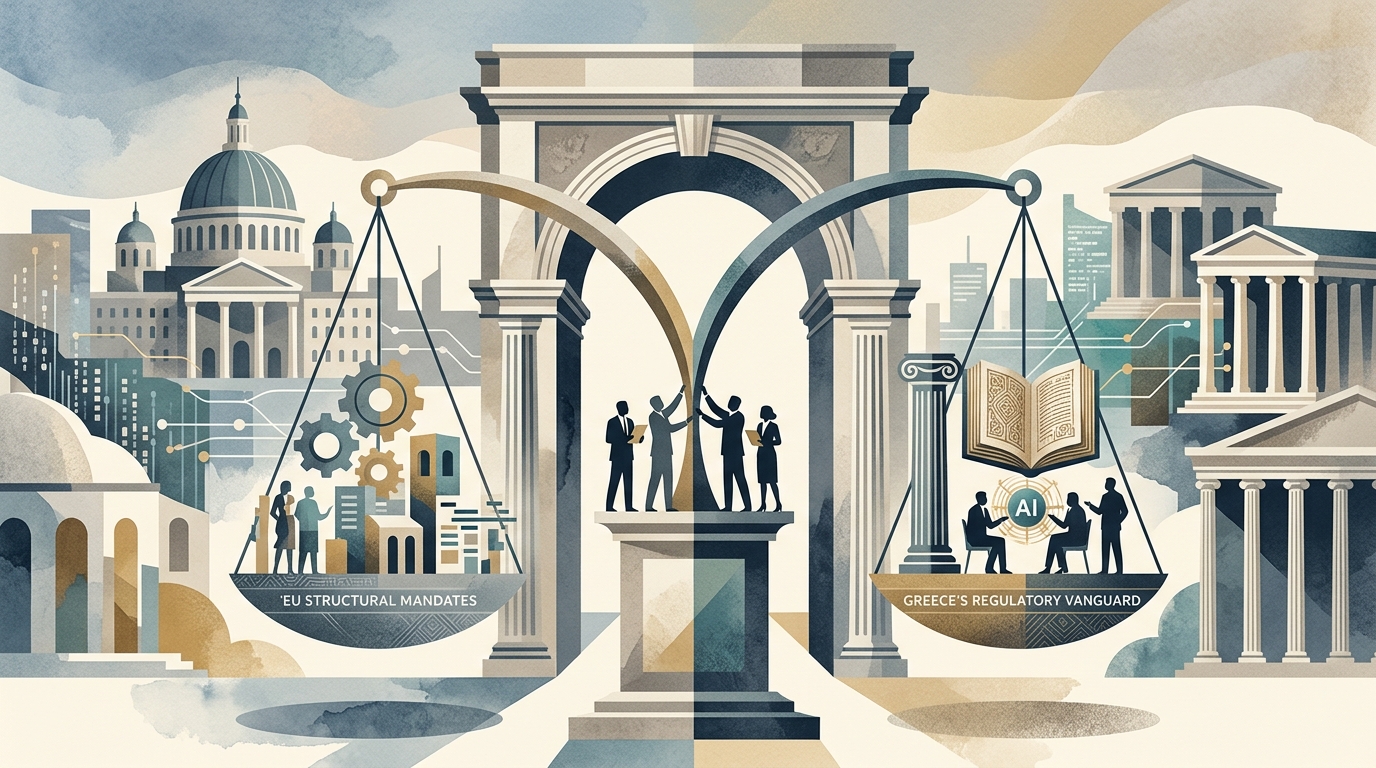
In countries like Greece, where the digital transformation of the state has accelerated, the implementation of such systems in ministerial offices requires a strict ethical framework. Algorithmic transparency is key. Citizens must know whether a decision was based on human judgment or an algorithmic prediction aimed at eroding their resistance.
Conclusion: The Hybrid Future
The future of governance appears to be hybrid. AI can function as a powerful analyst, helping to avoid errors and optimize resource allocation. For example, predicting healthcare needs by region based on demographic trends is an undeniable contribution of technology. However, when the discussion shifts to "political engineering" and the control of public opinion, the boundaries become blurred.
In conclusion, Artificial Intelligence in ministerial offices is a double-edged sword. It can lead to more efficient, proactive, and less confrontational governance, but it simultaneously threatens to turn the democratic process into a data optimization exercise, where the citizen ceases to be a participant and becomes merely a variable in an equation.