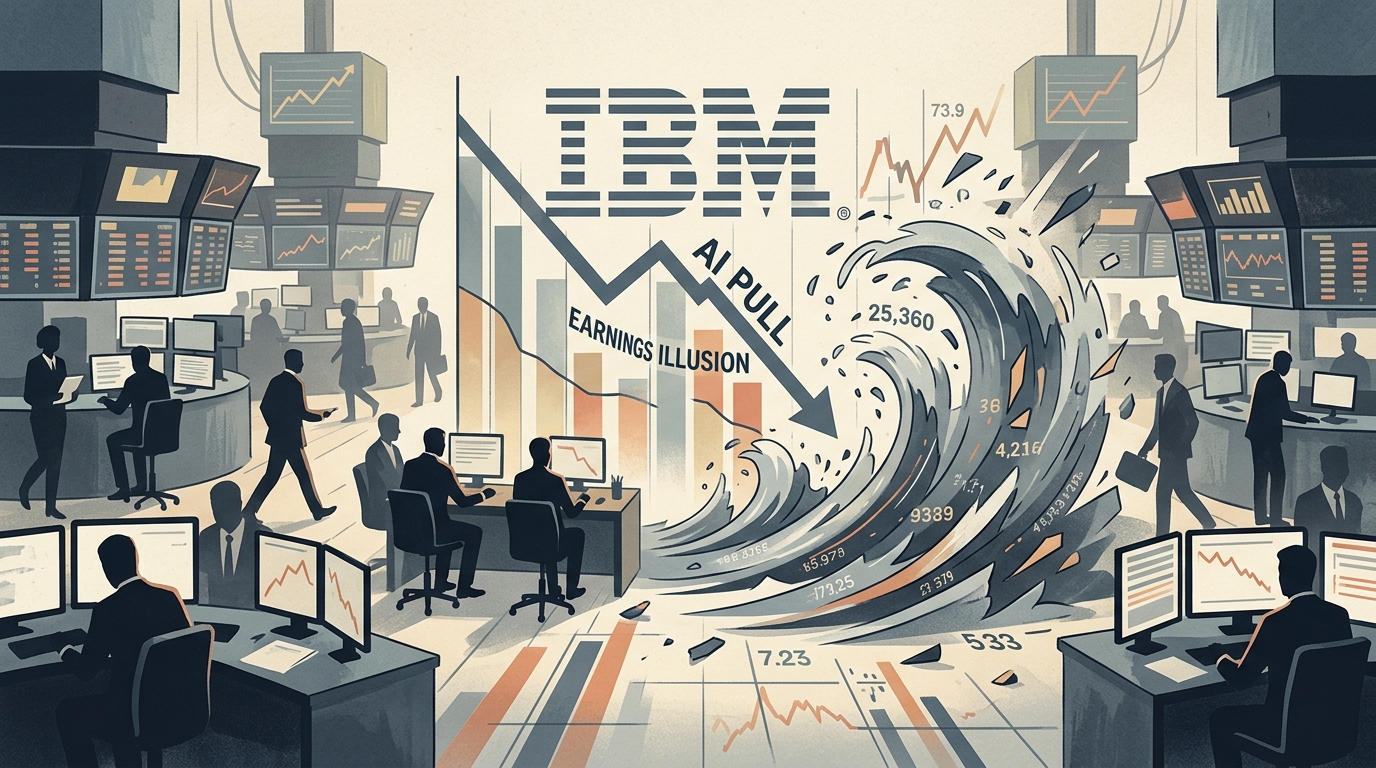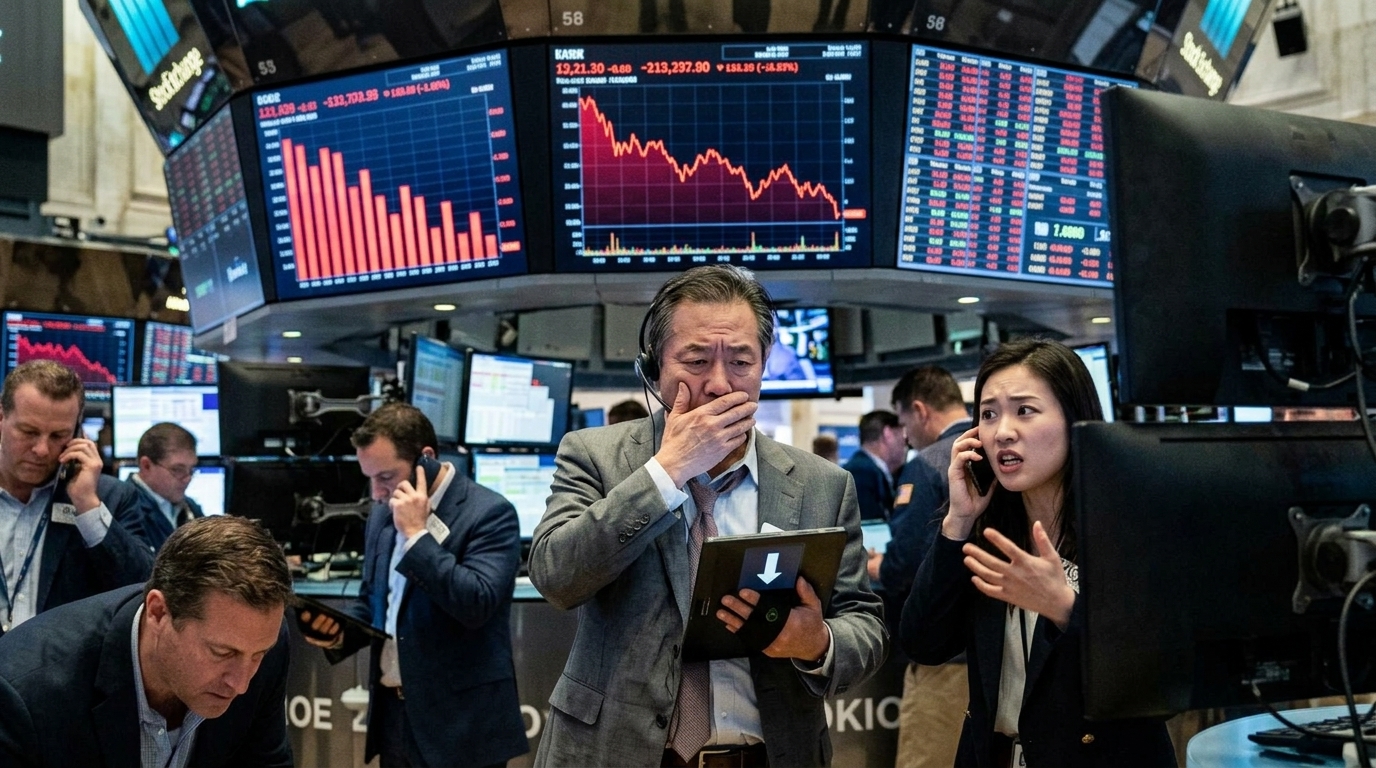
In the beating heart of the global financial system, a quiet but decisive battle is unfolding over the definition of "value" in the age of Artificial Intelligence and the space economy. As of June 5, 2026, the S&P Dow Jones Indices committee has sent a clear message to Silicon Valley visionaries: innovation is no substitute for a balance sheet. The decision to maintain strict profitability rules for entry into the S&P 500 index represents a significant hurdle for Elon Musk’s SpaceX and a new generation of AI firms that, despite astronomical valuations, continue to report net losses.
The "Positive Sign" Rule and the SpaceX Standoff
To join the elite ranks of the S&P 500, it is not enough for a company to be large or influential. It must demonstrate financial viability. Specifically, the sum of the earnings of the last four quarters must be positive, as must the most recent quarter. For SpaceX, a company that has revolutionized aerospace but continues to funnel billions into the Starlink constellation and the Starship program, this bar remains dauntingly high. Despite SpaceX's dominance in global launches, its strategy of aggressive reinvestment keeps it, at least from a GAAP accounting perspective, away from the consistent profitability the index demands.
The S&P’s refusal to grant a "fast-track entry" means SpaceX is denied the automatic influx of capital from massive index funds and ETFs that track the benchmark. This isn't just a matter of prestige; it’s a matter of liquidity and the cost of capital. Without the "passive" demand from trillions of dollars invested automatically in every S&P 500 member, the company's stock (should it go public) would remain at the mercy of the volatility of active managers and speculative swings.
Artificial Intelligence and the Growth Paradox
The issue extends far beyond Musk. June 2026 finds the market saturated with AI "unicorns" that have raised billions in capital but are burning through cash at an equally staggering rate to secure compute power and top-tier talent. Companies regarded as the "next Microsoft" find themselves in a paradoxical position: the market values them as future hegemons, yet S&P 500 rules treat them as precarious ventures. The committee appears to have learned from the dot-com bubble and the more recent experience with Tesla, which required years of sustained profitability before being admitted in 2020—a move that caused massive market friction at the time.
- Capital requirements for training frontier AI models have surged by 300% since 2024.
- S&P Dow Jones Indices argues that maintaining these rules protects retirement accounts from excessive exposure to speculative growth.
- Critics argue the index risks becoming a "museum piece" if it fails to include the companies shaping the future.
"Our mission is to reflect the American economy, but an economy built on actual earnings, not future promises," stated a source close to the committee.
Economic Implications and the Role of Passive Investing
This decision creates a schism in the market. On one side are the traditional, profitable corporations that fill their coffers and enjoy the safety net of S&P 500 inclusion. On the other is the "innovation economy," forced to seek capital in alternative markets or remain private for longer. This leads to a concentration of wealth among private equity and venture capital firms, leaving the average retail investor excluded from the massive gains that occur during the initial explosive growth of these companies.
Furthermore, the S&P's stance may pressure AI firms to pivot their business models prematurely. Instead of investing in the long-term R&D required for Artificial General Intelligence (AGI), they might be forced to chase short-term revenue to satisfy index criteria. This "profit-chasing" could slow technological progress, though it might also provide a necessary correction to a market many fear has been over-inflated by hype.
Conclusion: Wall Street's Conservative Pivot
In a world changing at light speed, the S&P 500 is choosing the role of the gatekeeper of stability. SpaceX and the AI pioneers will have to prove they can not only change the world but also make a profit while doing so. Until then, the gates of the world’s most important stock index will remain firmly shut, reminding everyone that, at the end of the day, capitalism remains a religion of results, not just visions.