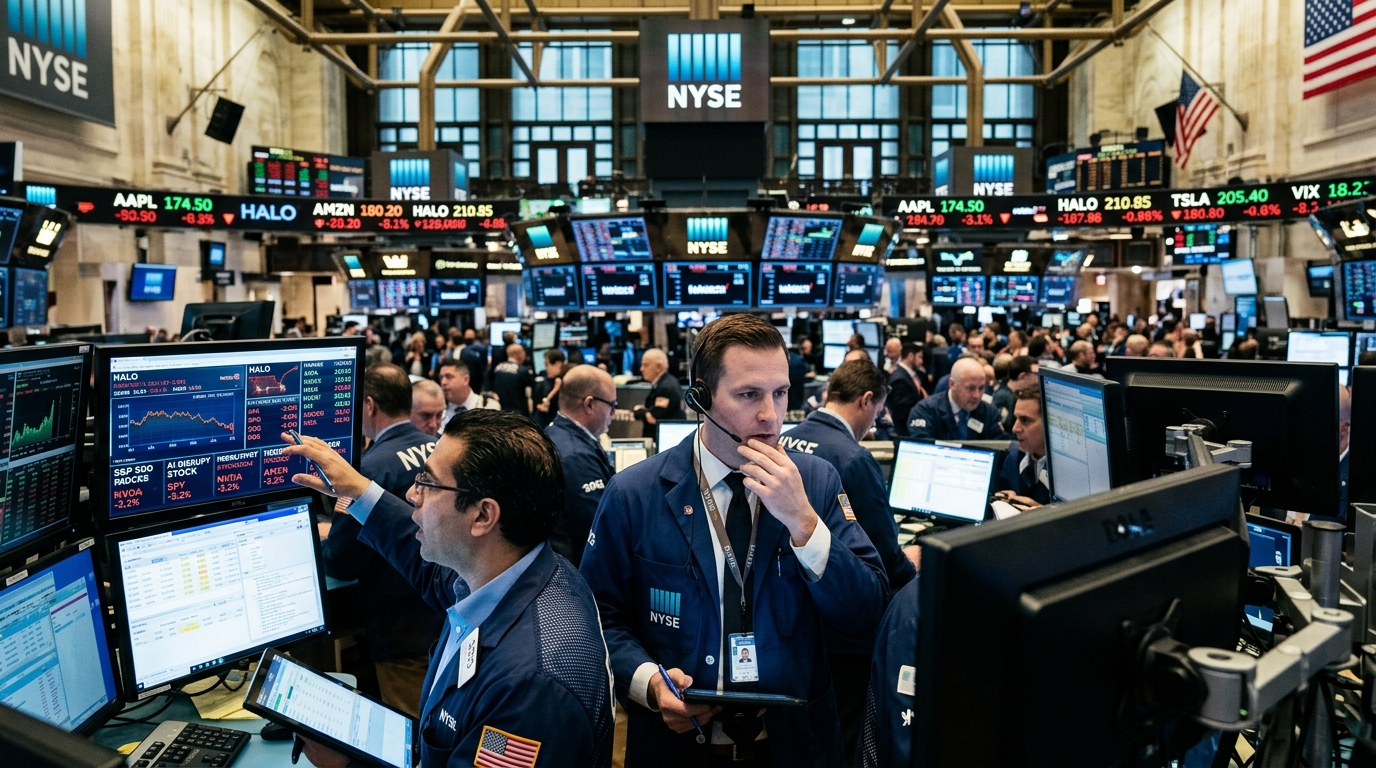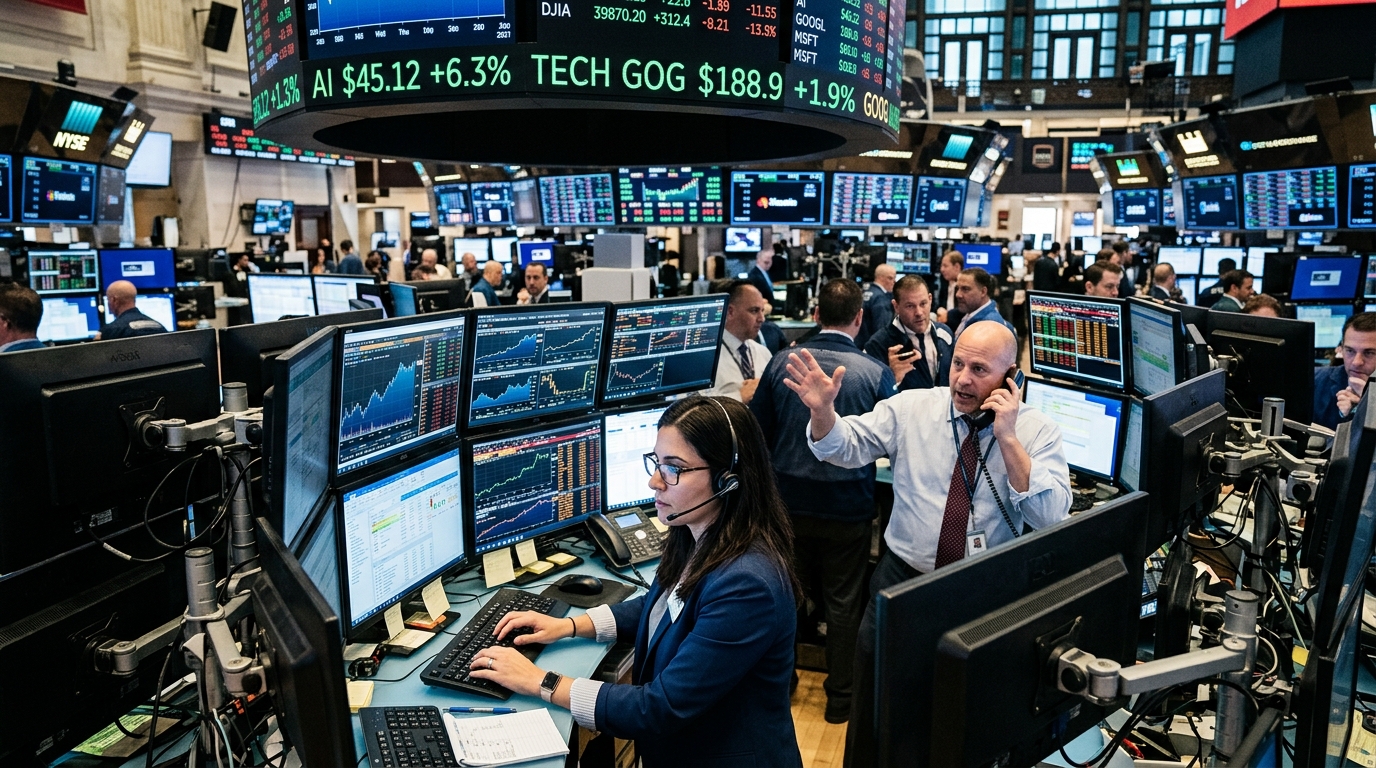
As we navigate the first half of 2026, the global economy is in the throes of what analysts are calling the 'Great Acceleration.' Artificial Intelligence (AI), having transitioned from theoretical promise to ubiquitous application, has become the primary engine of wealth creation, propelling stock markets to record highs and redrawing the map of global power. Recent data indicates that AI's contribution to global GDP has surpassed even the most optimistic forecasts, giving rise to a new class of 'digital superpowers.'
The Productivity Paradox Resolved
For decades, economists were baffled by the 'productivity paradox': despite the digital revolution, productivity growth remained sluggish. In 2026, this paradox is firmly in the rearview mirror. The integration of Generative AI and autonomous decision-making systems into supply chains, heavy industry, and the service sector has unlocked levels of efficiency that were inconceivable just five years ago.
Automation is no longer confined to manual labor. White-collar professions—ranging from legal analysis to architectural design—are experiencing an unprecedented surge in output speed. This has led to a spectacular expansion of profit margins for early adopters, effectively converting technological prowess into raw economic wealth.
The New Titans and the Geopolitics of Capital
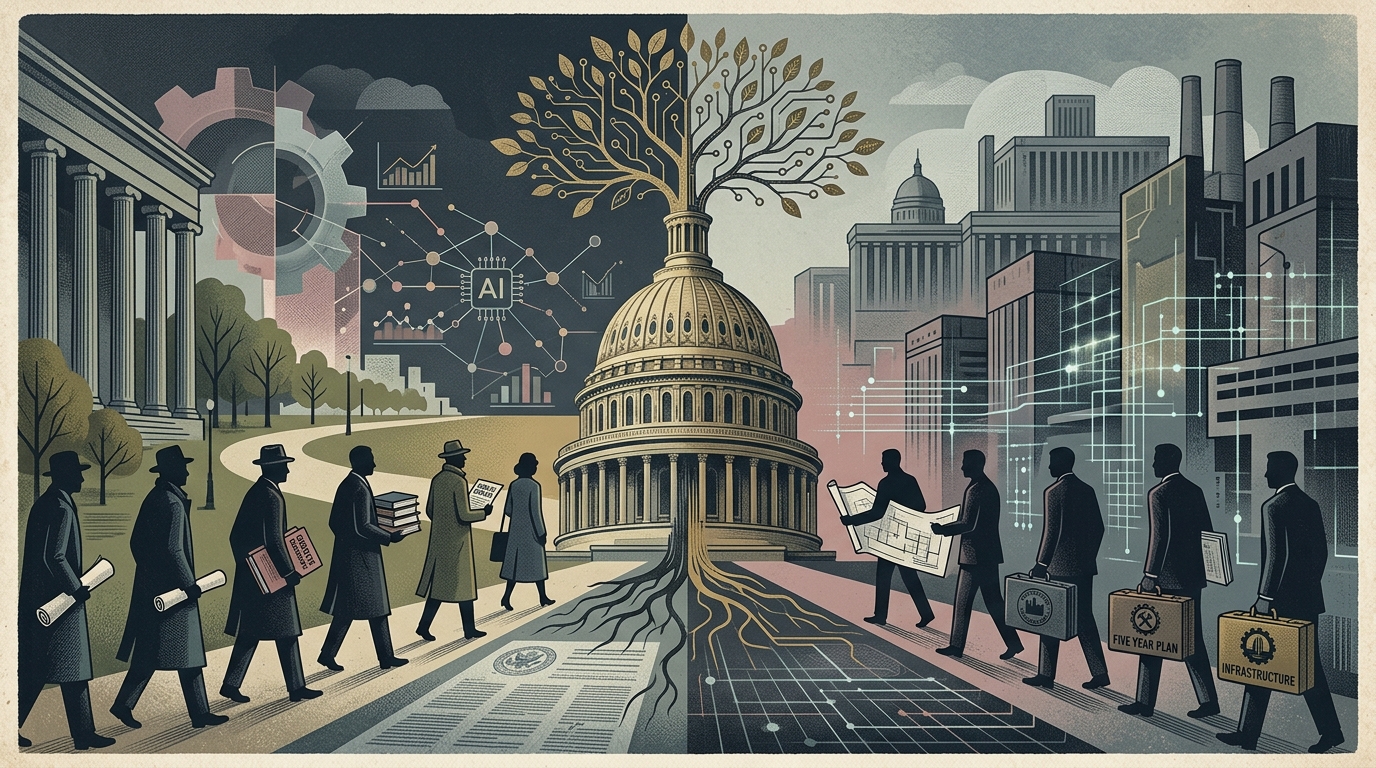
The wealth generated by AI is far from evenly distributed. We are witnessing a staggering concentration of capital within a handful of corporate giants, primarily in the US and China, which control the essential infrastructure: chips, data centers, and foundational models. However, 2026 has seen the emergence of a counter-trend: 'Sovereign AI Funds.' Nations like Saudi Arabia, the UAE, and France are investing billions to build their own infrastructure, aiming to be owners of AI-generated wealth rather than mere consumers.
In Europe, the conversation has shifted from regulation to economic survival. While the AI Act established the moral guardrails, the imperative for competitiveness has spurred a new industrial policy that subsidizes AI innovation, attempting to keep capital within the borders of the continent.
The Distribution Challenge and the Inequality Trap
Despite the explosion of global wealth, social cohesion is being tested. A 'two-speed economy' is now a stark reality. On one side, capital owners and high-skilled professionals who leverage AI are seeing their incomes skyrocket. On the other, large segments of the workforce face wage stagnation or total displacement.
- The stock market rally reflects expectations of future profits but does not always translate into improved living standards for the average citizen.
- The concept of an 'AI Dividend' or Universal Basic Income (UBI) has returned to the forefront of political discourse worldwide.
- Governments are under increasing pressure to tax 'machine-generated surplus value' to fund the social transition.
Conclusion: A Golden Age with Asterisks
2026 will be remembered as the year AI proved it could generate immense wealth. However, the challenge of the coming decade will not be the creation of wealth, but its management. Without mechanisms for equitable distribution, the AI boom risks creating a social polarization that could undermine the very economic stability the technology promises to deliver.