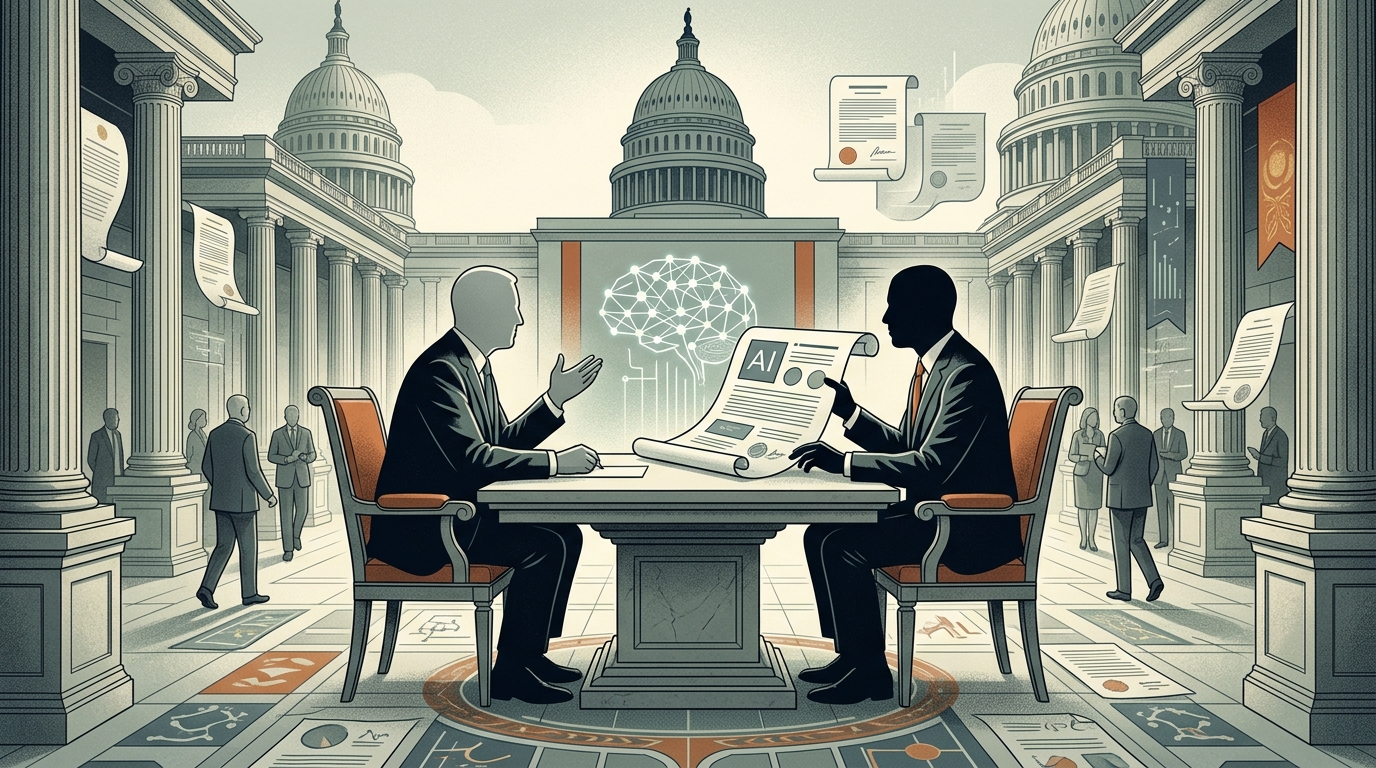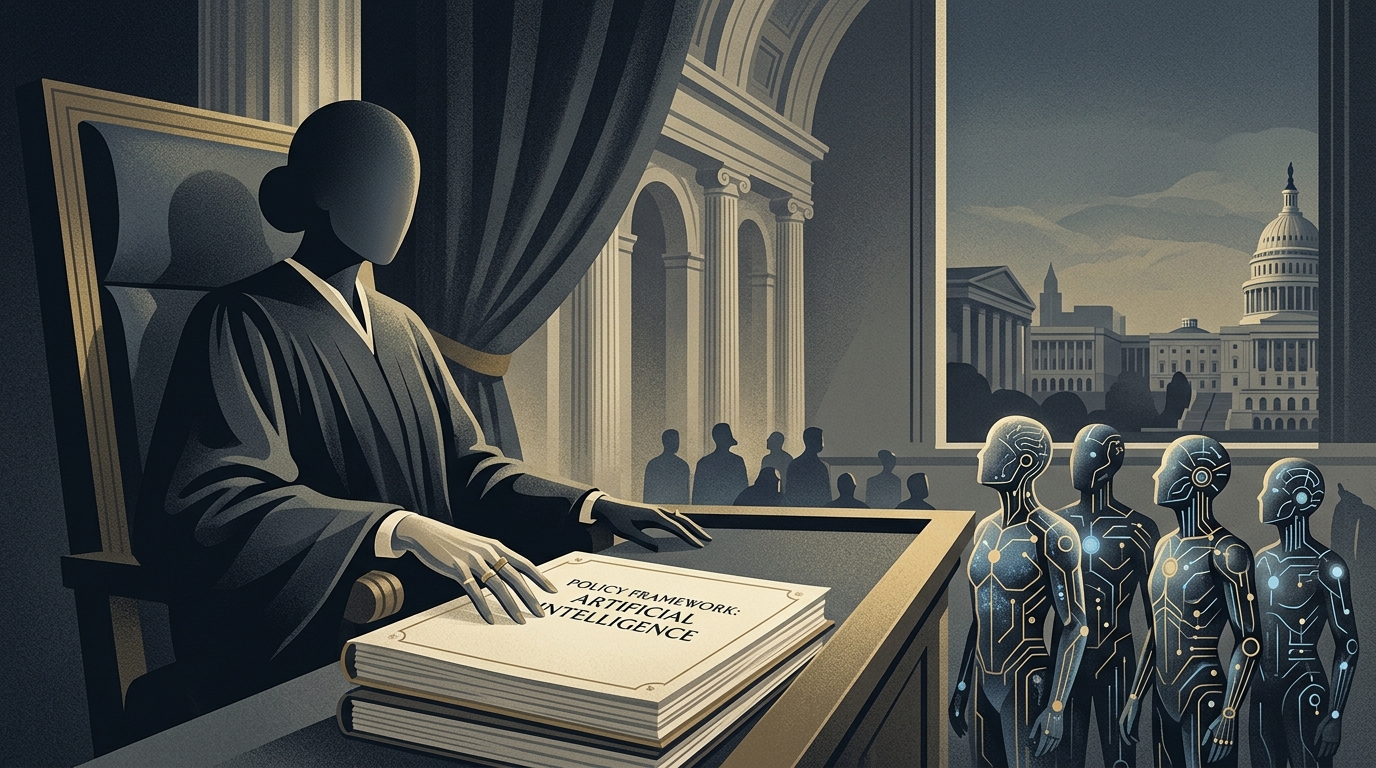
The year 2026 marks a decisive turning point for the global Artificial Intelligence industry. The era of "move fast and break things" has permanently given way to an epoch of strict accountability and legal fortification. With the full implementation of the EU AI Act and a series of landmark judicial rulings in the US, AI companies are no longer judged solely by their parameter counts, but by their ability to survive a minefield of legal challenges. The Reuters report highlighting eight core legal questions serves as a blueprint for this new, sober reality.
The War Over Data and Intellectual Property
The first and perhaps most critical question concerns the provenance of training data. Reuters notes that the status of "fair use" is under heavy fire. Publishers and content creators have gained the upper hand, demanding lucrative licensing agreements. For an AI company, the question is no longer "what can we scrape from the web?" but "what rights do we actually own?" The pivot toward synthetic data offers an escape route, but it comes with the risk of "model collapse" due to digital inbreeding. Companies must now maintain meticulous logs of their data supply chains, a task that was unthinkable just three years ago.
- What is the legal basis for using copyrighted data in the post-2025 legal framework?
- How can creator compensation be managed at the scale of trillions of tokens?
Liability for Hallucinations: Who is Responsible?
The second major front involves civil liability. When a Large Language Model (LLM) provides incorrect medical advice or defames a citizen, the burden of responsibility is shifting from the user to the technology provider. Courts in 2026 are beginning to treat AI models not as mere tools, but as influential entities. A "hallucination" is no longer a technical excuse; it is a legal liability. Companies are required to prove they have implemented the maximum possible guardrails, a requirement that often clashes with the "black box" nature of deep learning. The concept of "algorithmic negligence" is becoming a standard part of tort law.
"Transparency is no longer an optional marketing choice, but a prerequisite for a license to operate in the global market," the Reuters analysis emphasizes.
Privacy and the "Right to be Forgotten" for Machines
GDPR in Europe and similar statutes in California present an insurmountable technical hurdle: how do you delete a user's data from a pre-trained model? "Machine unlearning" remains a costly and experimental process. Companies that fail to demonstrate they can purge personal information from the weights of their neural networks face fines that could threaten their very existence. Furthermore, the use of biometric data for training emotion recognition systems has been strictly banned in many sectors, forcing AI firms to redesign their products from the ground up to ensure privacy-by-design.
The Geopolitics of Regulation
Finally, the question of jurisdiction remains volatile. A San Francisco-based company must comply with Brussels' requirements if it wants access to the European market. This creates a phenomenon of "regulatory imperialism," where the strictest standards become the global norm. AI companies are forced to navigate an environment where rules change at every border, making the legal department as vital as the R&D lab. The ability of a business to explain its algorithm's decisions (Explainability) has become the holy grail of legal survival. In 2026, the most successful AI companies are not just those with the best code, but those with the most robust legal architecture.