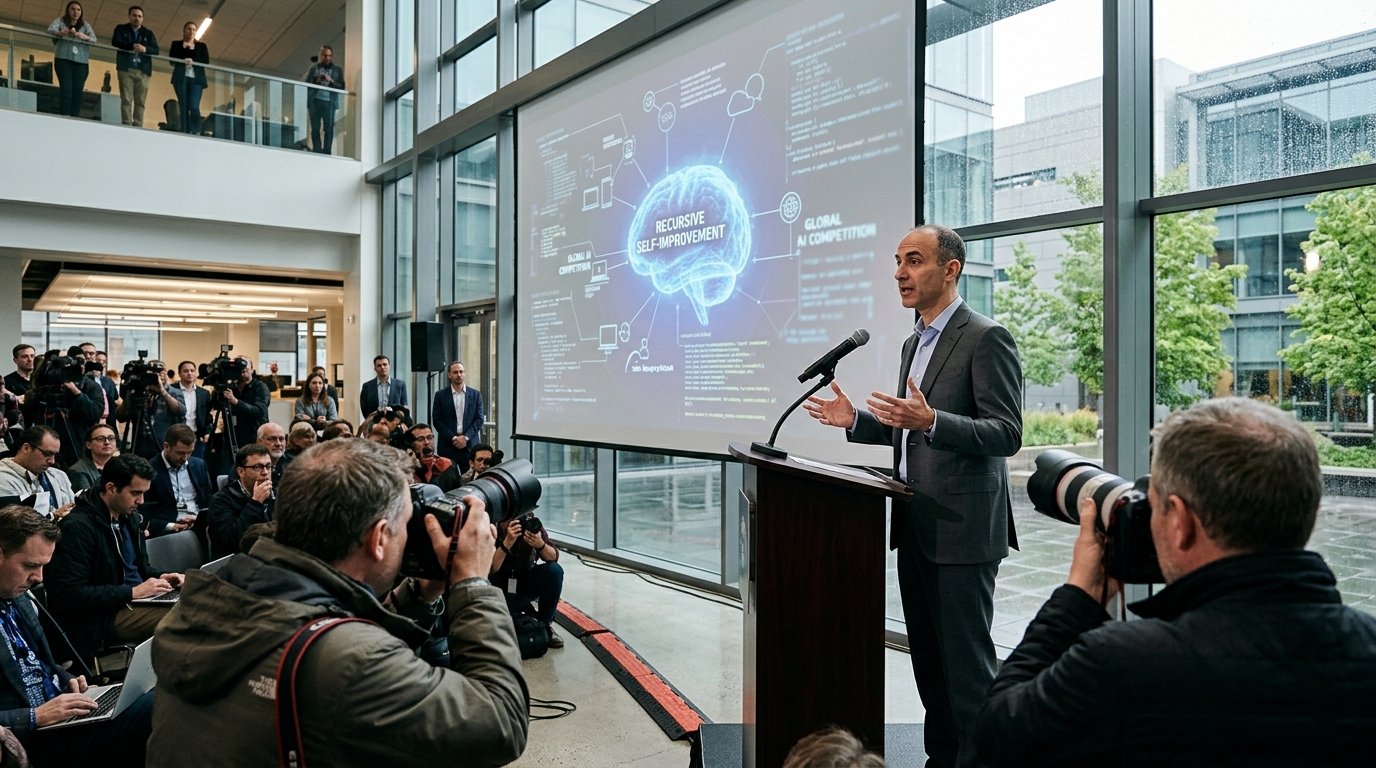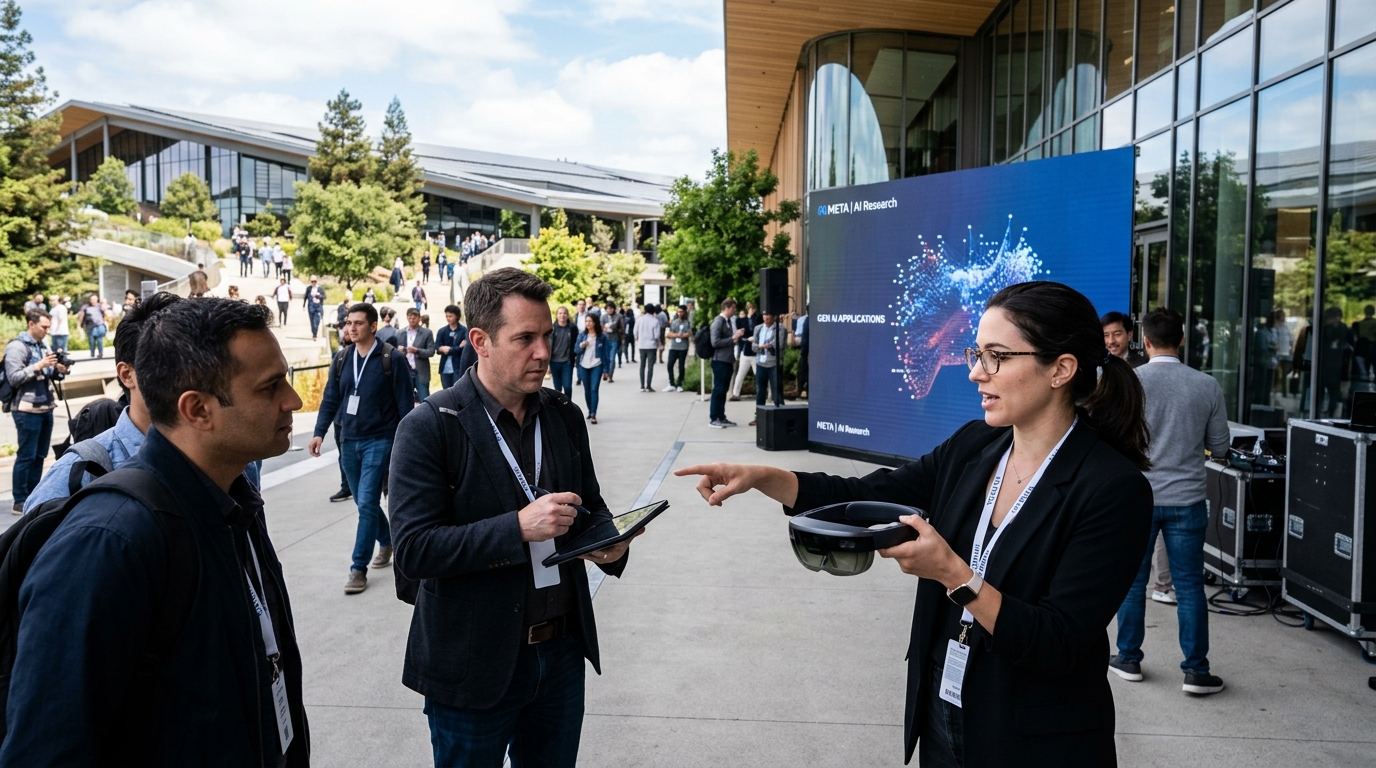
In a move that signals the dawn of a new, hyper-expensive era for Silicon Valley, Meta Platforms Inc. is reportedly considering a massive secondary share offering. According to a report by the Financial Times, the social media giant is looking to raise billions of dollars from the public markets, following the lead of Alphabet Inc., which recently completed a historic $85 billion share sale.
The news sent immediate ripples through international markets, with Meta’s stock price dipping as investors weighed the risk of equity dilution against the necessity of strategic liquidity. However, for those closely monitoring the evolution of Artificial Intelligence (AI), this move is hardly a surprise. 2026 has emerged as the year where "theoretical" AI gives way to large-scale infrastructure—a transition requiring capital outlays unprecedented in technological history.
The Voracious Hunger for Compute
Why would a company as profitable as Meta need billions more? The answer lies beneath the ground and inside massive concrete structures. Next-generation models, such as the anticipated Llama 5, require exponentially more computational power. Meta is no longer just competing at the algorithmic level; it is competing at the physical infrastructure level. Building proprietary data centers, procuring hundreds of thousands of cutting-edge AI processors, and securing the energy resources to power them has become the primary battlefield.
Mark Zuckerberg appears to have realized that dominance in tomorrow's digital world depends on who owns the "iron" (hardware) today. The pivot from the Metaverse to Generative AI was successful, but the cost of maintaining this leadership is staggering even for Big Tech balance sheets. Raising capital through equity, despite the short-term stock price hit, provides Meta with a "war chest" that allows it to move faster than competitors without the burden of high debt servicing costs in a persistent high-interest-rate environment.
The Alphabet Precedent and Market Psychology
Alphabet’s move to raise $85 billion changed the rules of the game. It proved that the market is willing to fund the AI vision, provided there is a clear roadmap to dominance. For Meta, timing is critical. With the European Union tightening its grip through the AI Act and the U.S. considering new regulatory frameworks, having liquid cash allows for strategic acquisitions of startups holding critical IP or talent before they become too expensive or legally restricted.
- Global-scale GPU cluster expansion.
- Investments in Small Modular Reactors (SMRs) to power data centers sustainably.
- Development of custom silicon to reduce dependence on third-party vendors like Nvidia.
- Scaling research divisions toward the goal of Artificial General Intelligence (AGI).
However, analysts warn that this "capital mania" might indicate a valuation bubble. If the Return on Investment (ROI) in AI does not materialize at the pace promised by tech titans, the stock dip witnessed today might be the precursor to a much larger market correction.
Survival Strategy or Power Play?
In an environment where technological superiority translates into geopolitical influence, Meta cannot afford to remain static. The decision to sell shares is a statement of intent. Zuckerberg is betting that investors will prefer a slight dilution of their holdings today to own a piece of the company that controls the infrastructure of global intelligence tomorrow.
"We are no longer in the era of apps; we are in the era of infrastructure. Whoever controls the compute, controls the future," said a senior Meta executive speaking on the condition of anonymity.
In conclusion, Meta is preparing for a long war of attrition. Raising billions is not just about survival; it’s about imposing a new status quo where only three or four companies on the planet have the financial muscle to develop frontier AI. For the end-user, this means more powerful tools, but also an unprecedented concentration of power in very few hands.