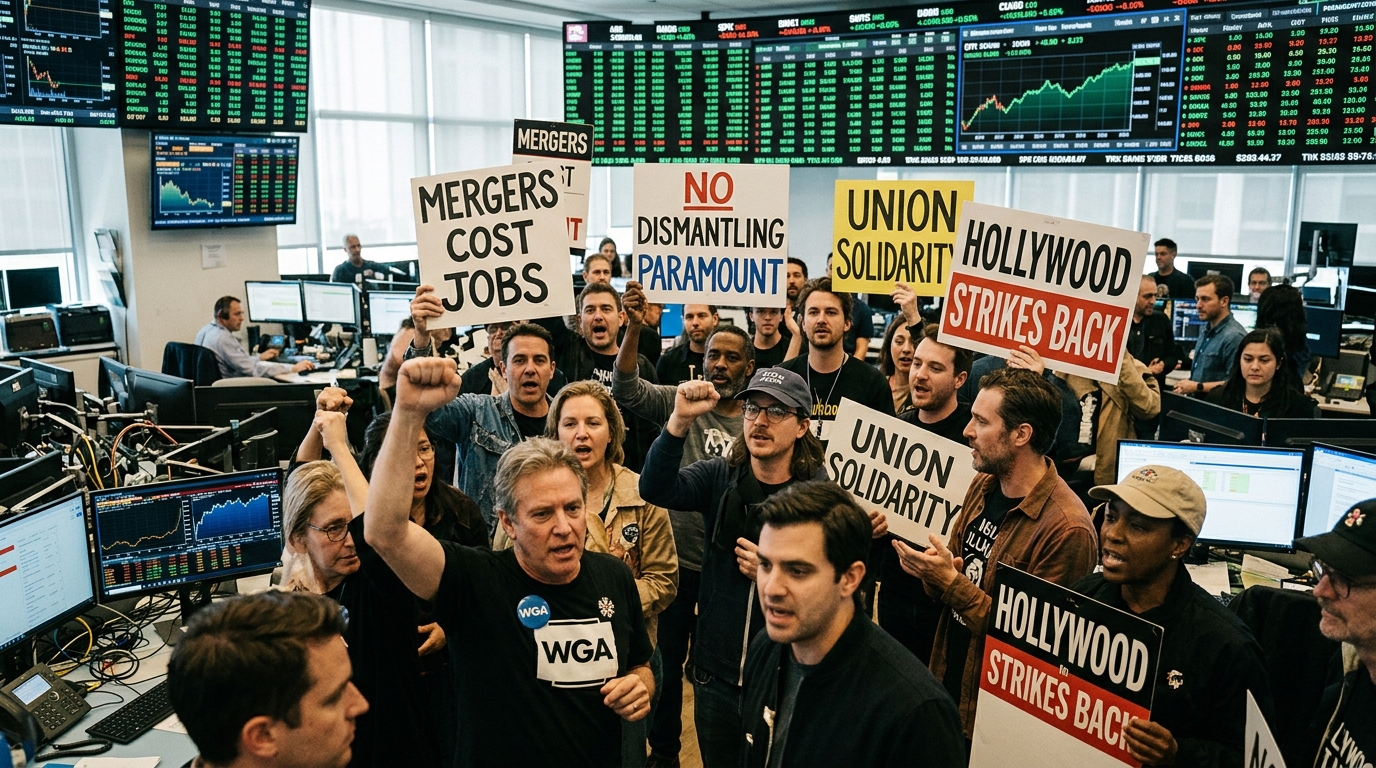
On the streets of Los Angeles, where the spotlight usually shines on red carpets and movie stars, a grittier reality is taking center stage. Hundreds of Paramount Global employees and members of powerful labor unions gathered to protest the impending merger deal with Skydance Media. This demonstration isn't just about the figures on a balance sheet; it's about the survival of the creative class in an era where technology and corporate consolidation seem to be conspiring against them.
The Anatomy of a Multi-Billion Dollar Deal
The deal, poised to reshape the media landscape, involves the acquisition of National Amusements—the holding company owned by the Redstone family—by David Ellison’s Skydance Media. With a price tag reaching $8 billion, the "New Paramount" promises to be leaner, more technologically advanced, and financially viable. However, for technicians, writers, and office staff, the word "leaner" is a clear euphemism for job cuts.
Workers, represented by unions such as IATSE and the Teamsters, are expressing grave concerns that the merger will lead to "operational synergies"—a corporate term that almost always translates to layoffs in the real world. Already, Paramount has announced plans to cut 15% of its U.S. workforce even before the deal is finalized, in an attempt to save $500 million annually. The uncertainty has cast a pall over the legendary studio lot, as employees wonder who will be left when the dust settles.
The AI Shadow and Automation Fears
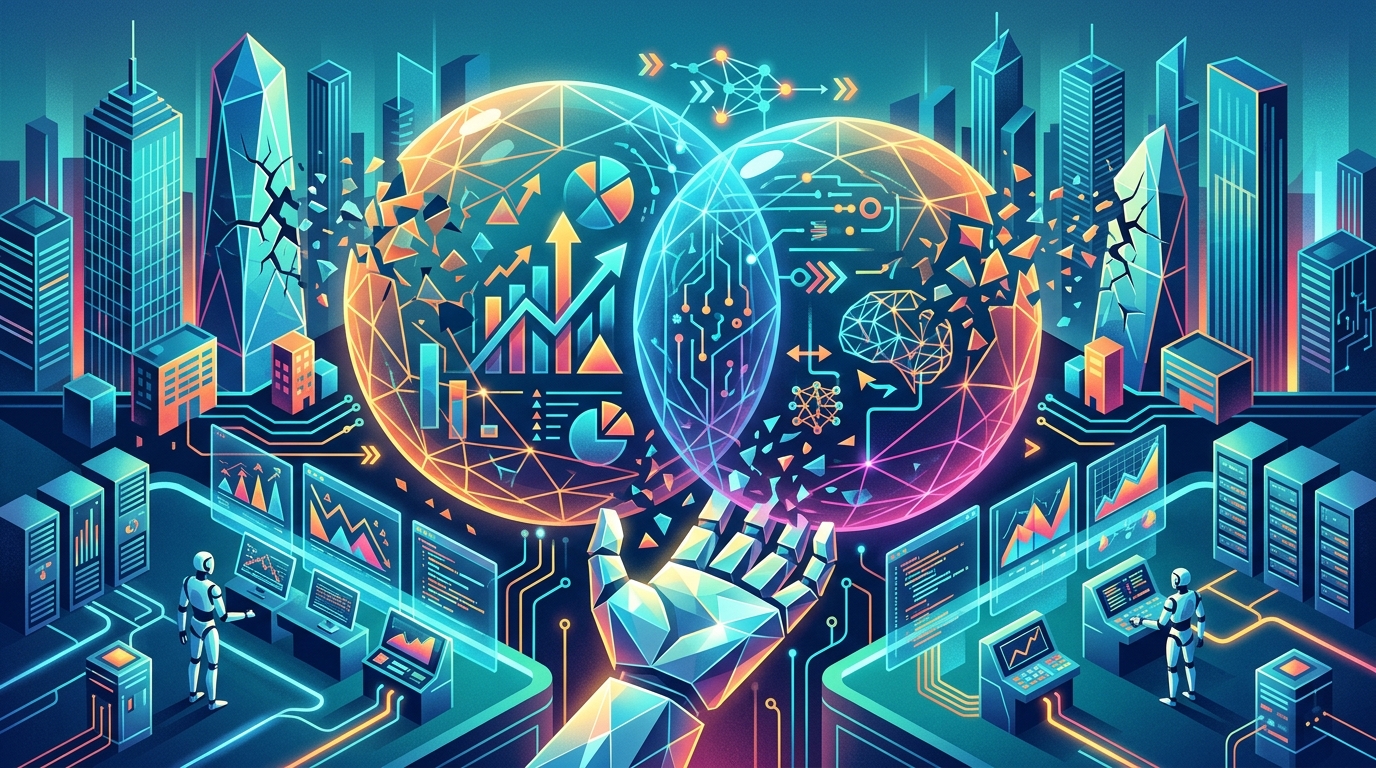
Beyond immediate layoffs, one of the primary drivers of the protests is the integration of Artificial Intelligence (AI) into the production pipeline. David Ellison, the son of Oracle co-founder Larry Ellison, has deep roots in the tech world. Skydance has already heavily invested in AI tools for animation and visual effects, and workers fear that the new leadership will use technology to replace human labor rather than augment it.
"We aren't against progress, but we are against our own obsolescence," said one protester outside the Paramount gates. The fear is that AI will be deployed to write scripts, create digital actors, and automate the editing process, drastically reducing the need for skilled professionals. The unions are demanding ironclad guarantees that AI will not be used to undermine labor standards or eliminate jobs, a battle that was central to last year's industry-wide strikes but remains unresolved in the face of rapid technological leaps.
The Political Economy of Consolidation
The Paramount situation is not an isolated incident. It follows a long line of Hollywood consolidations, from Disney’s acquisition of Fox to the formation of Warner Bros. Discovery. Each of these moves concentrates power in fewer hands, reducing options for workers and narrowing the diversity of content being produced. The Hollywood labor market is still reeling from the 2023 strikes, and this new wave of uncertainty is creating a volatile environment.
Analysts point out that traditional media giants are struggling to survive against the dominance of Netflix and tech titans like Apple and Amazon. In this "streaming war," production costs are skyrocketing while traditional cable revenue is plummeting. The Paramount-Skydance merger is viewed by many as a necessary survival tactic for the studio, but the question remains: who bears the cost of this corporate Darwinism?
Conclusion: The Battle for Hollywood's Soul
The worker rallies serve as a warning to both Wall Street and Silicon Valley. Creativity is not a simple commodity that can be optimized through algorithms and mergers. As Paramount transitions into a new era, the conflict between corporate profitability and labor rights will be the industry's central drama. The outcome of this struggle will determine whether Hollywood remains a beacon of human expression or transforms into a fully automated content factory. For the workers on the picket line, the stakes couldn't be higher.