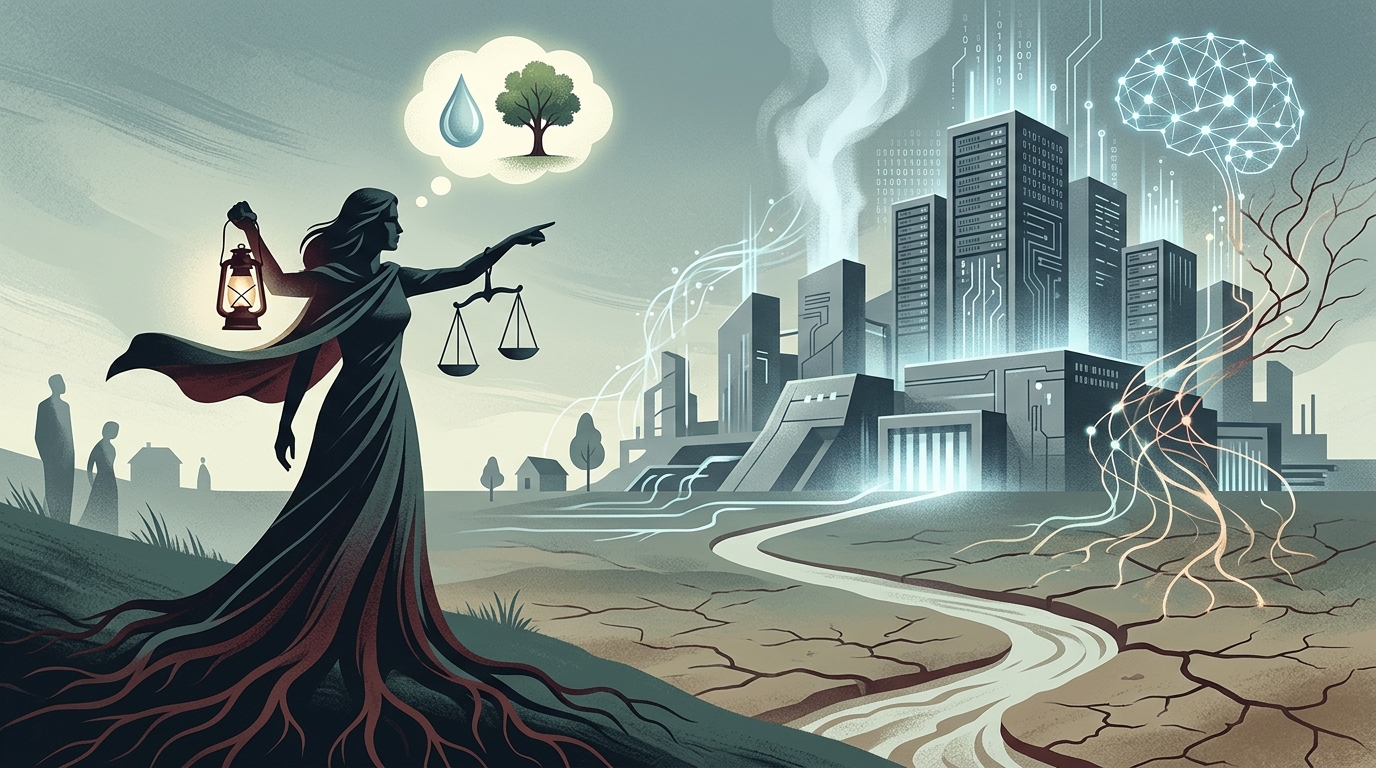
The era when your work ended the moment you left the office is officially over. Today, every word you type on Slack, every email you draft, and every comment in a Google Doc is part of a vast, lucrative data reservoir. As AI companies exhaust publicly available internet data, they are turning to the 'dark data' of corporate archives, transforming your professional history into fuel for Large Language Models (LLMs).
The Legal Gray Zone and the Ownership of Thought
The fundamental issue emerging is the ownership of intellectual and communicative activity within the workplace context. Traditionally, employment contracts state that 'work product' belongs to the employer. However, the concept of work product is now expanding beyond code or reports to include the very way we communicate, solve problems, and interact with colleagues. Companies argue that since communication occurs on corporate platforms and during working hours, this data constitutes a business asset.
In the European Union, the General Data Protection Regulation (GDPR) offers some protection, but exceptions for 'legitimate business interest' create loopholes. When a company decides to sell its chat logs to an AI developer, it often claims the data has been anonymized. Yet, in the age of advanced data analytics, complete anonymization is nearly impossible. Your writing style, specific project references, and internal acronyms can easily reveal your identity to an algorithm.
The Commodification of Professional Experience
But why is there such high demand for Slacks and emails? The answer lies in data quality. The public internet is filled with noise, spam, and low-quality content. In contrast, corporate communications are rich in structured thought, professional terminology, and real-world problem-solving. This is the 'gold' AI models need to learn how to behave like seasoned professionals.
- Slack data provides samples of natural, rapid, and collaborative communication.
- Emails offer examples of formal business correspondence and decision-making.
- Code logs and reviews teach AI the logic behind programming and debugging.
This practice creates a paradoxical situation: employees are unwittingly training their own future digital replacements. When an employee leaves a company, their 'digital ghost' remains, continuing to feed the model the company uses to automate the tasks they once performed.
Ethical Implications and the Right to be Forgotten
The ethical dimension is deeply unsettling. There is an implicit expectation of privacy in daily conversations with colleagues. When these conversations are turned into a tradable commodity, workplace trust erodes. Employees begin to self-censor, knowing that every word could be analyzed by an AI years later.
"They aren't just selling data; they are selling the collective intellect and experience of their people without their explicit consent," argue digital rights activists.
Furthermore, the issue of the 'right to be forgotten' arises. If my professional career has been baked into the parameters of a neural network, how can I revoke my participation? LLM technology does not allow for the easy 'unlearning' of specific data points. Once your information becomes part of the model, it stays there forever, disguised as statistical probabilities.
Conclusion: Toward a New Social Contract
The need for new legislation is imperative. Workers must have a say in how their communication data is utilized. Perhaps it is time to consider 'communication intellectual property rights' or require explicit opt-in consent for the use of corporate archives in AI training. Until then, the advice is clear: treat every digital interaction at the office as something that could potentially be published—or sold to the highest bidder.