In an era where Artificial Intelligence (AI) is transitioning from a mere automation tool to the central pillar of social and economic organization, the University of Massachusetts Lowell (UMass Lowell) is taking a bold step into the future. The establishment of the new Center for AI Computing Research is not just an addition to the academic infrastructure of the United States; it is a strategic intervention in how humanity understands and develops machine intelligence.
The Necessity of Interdisciplinary Collaboration
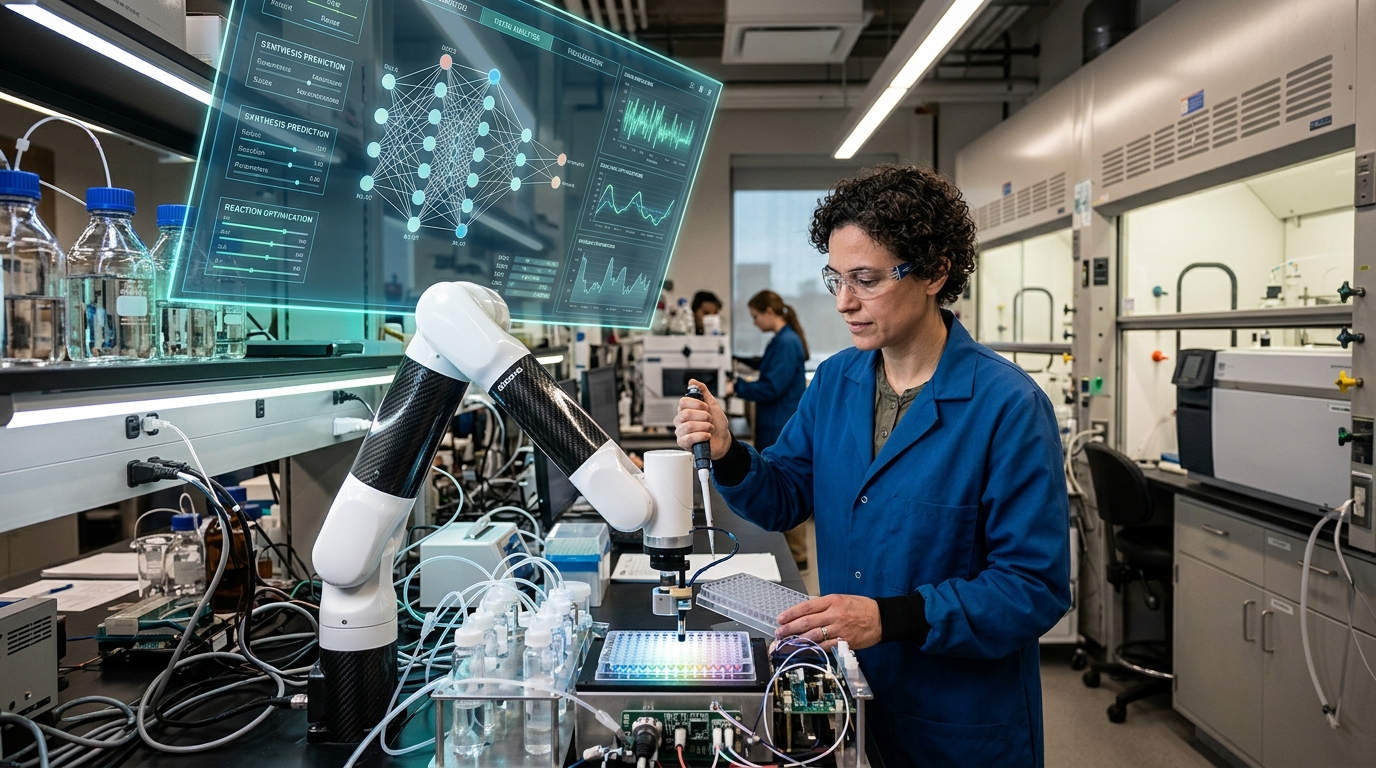
For decades, computer science research was conducted in silos. Software engineers focused on algorithmic efficiency, while sociologists and ethicists examined the impacts of technology after the fact. UMass Lowell's new center aims to overturn this model. Its core philosophy is based on "unified research," where scientists from diverse fields—ranging from robotics and physics to psychology and law—collaborate from the very first day of a system's design.
This approach is critical for solving problems that traditional computer science cannot handle alone. For instance, developing autonomous systems in urban environments requires not only machine learning expertise but also a deep understanding of human behavior and urban infrastructure. The center aspires to be the space where these domains intersect, producing solutions that are both technologically advanced and socially responsible.
Infrastructure and Strategic Significance
The center is equipped with state-of-the-art computing power, allowing researchers to train Large Language Models (LLMs) and complex computer vision systems. However, its true power lies not in NVIDIA chips but in its people. By attracting top-tier talent from around the globe, UMass Lowell is positioning itself on the map of global innovation, competing with institutions like MIT and Harvard, but with a more practical and community-oriented approach.
Furthermore, the university's geographic location in the heart of Massachusetts, one of the world's most significant technological ecosystems, facilitates collaborations with the private sector. The center is expected to act as an accelerator for startups, providing the necessary expertise to transform theoretical research into commercial products that will improve citizens' daily lives.
Ethics and Safety at the Forefront
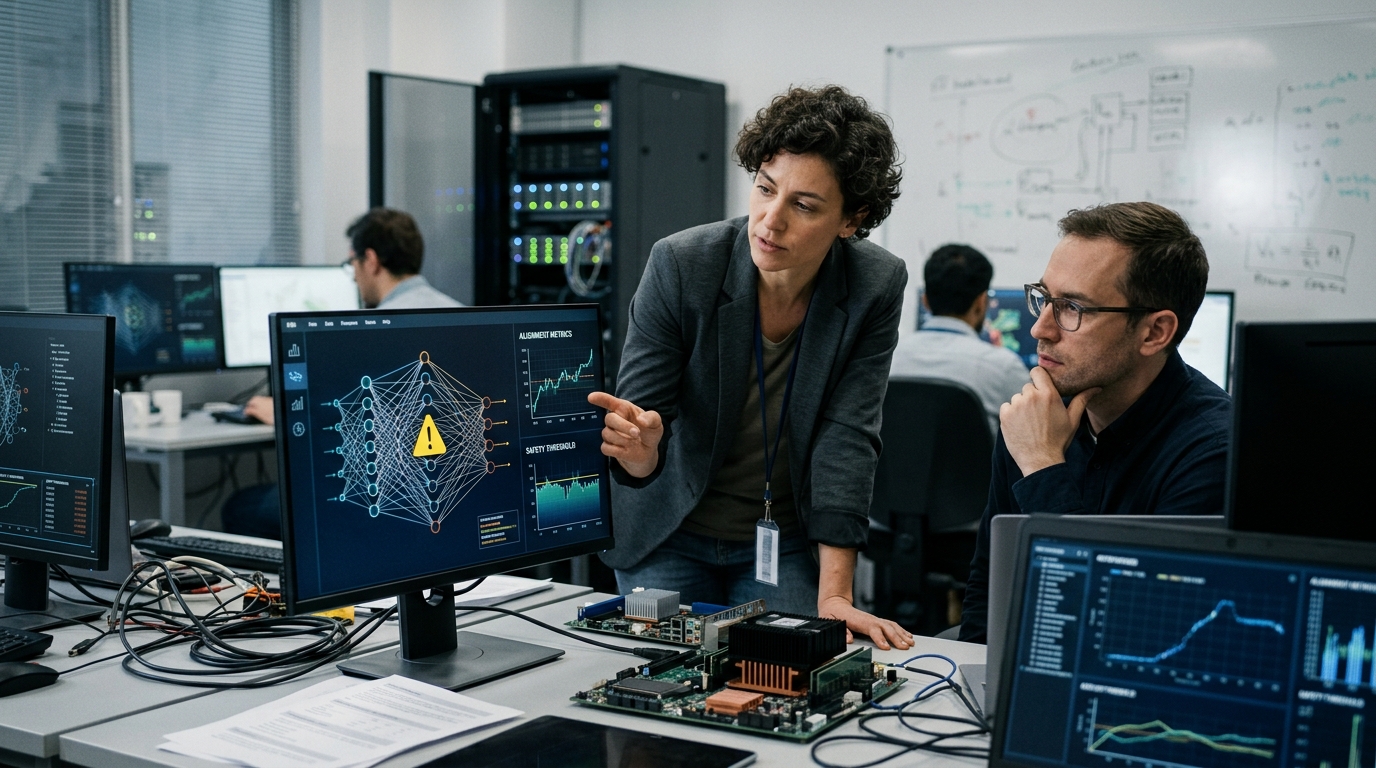
One of the most important departments of the new center is the "AI Ethics and Governance" unit. At a time when concerns about algorithmic bias and job displacement are intensifying, UMass Lowell is investing in the development of "Explainable AI" (XAI). These are systems that do not operate as "black boxes" but can explain their decision-making process to human users.
As university officials stated, the goal is not to create an AI that simply follows orders, but an AI that enhances human capabilities without violating fundamental rights. This human-centric approach is what distinguishes the center from similar initiatives in other countries, where the speed of development often precedes safety considerations.
Conclusions and Future Prospects
The founding of the Center for AI Computing Research at UMass Lowell marks a new era for academic research. It proves that Artificial Intelligence is no longer a narrowly technical field, but a new language of communication across all sciences. The success of this venture will be judged by its ability to produce solutions that stand the test of time and earn the trust of society. In a rapidly changing world, such initiatives serve as the lighthouse that will guide us safely into the next digital revolution.