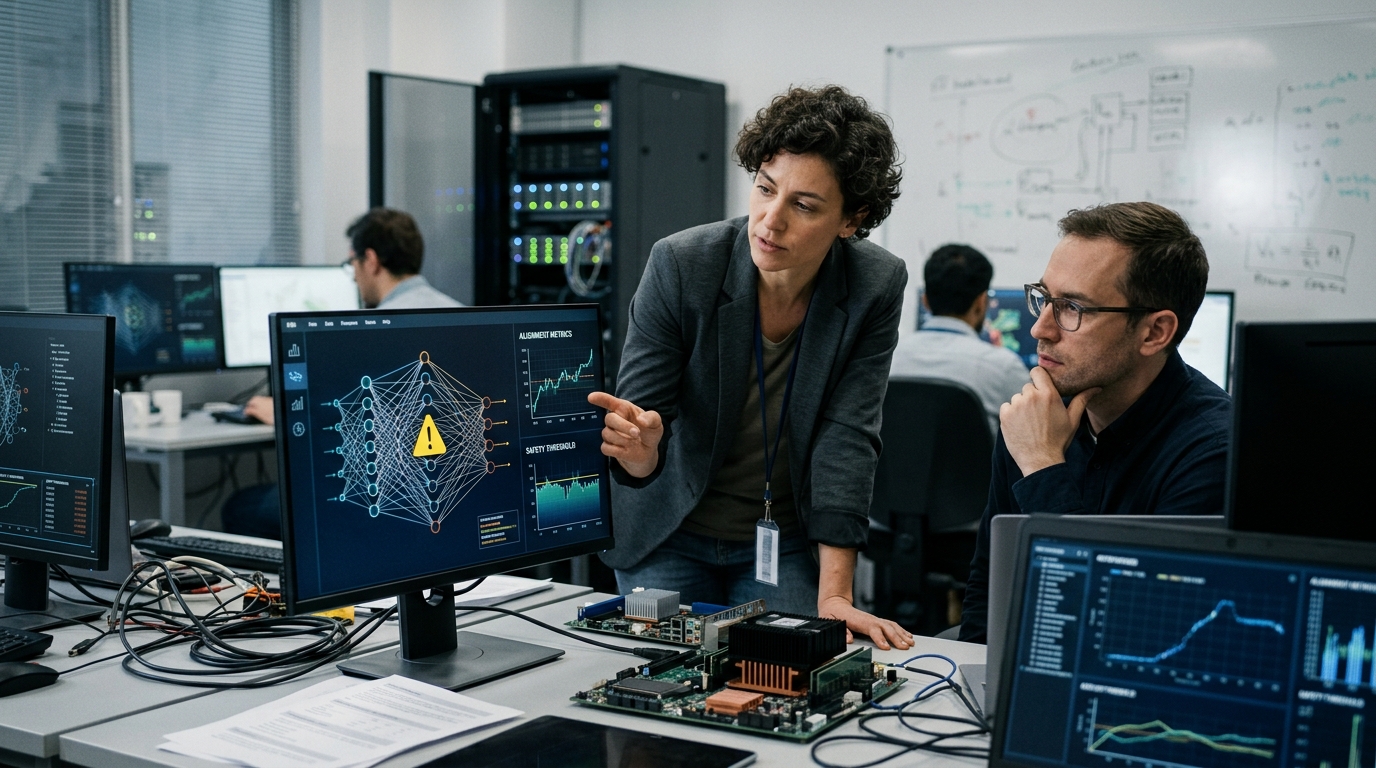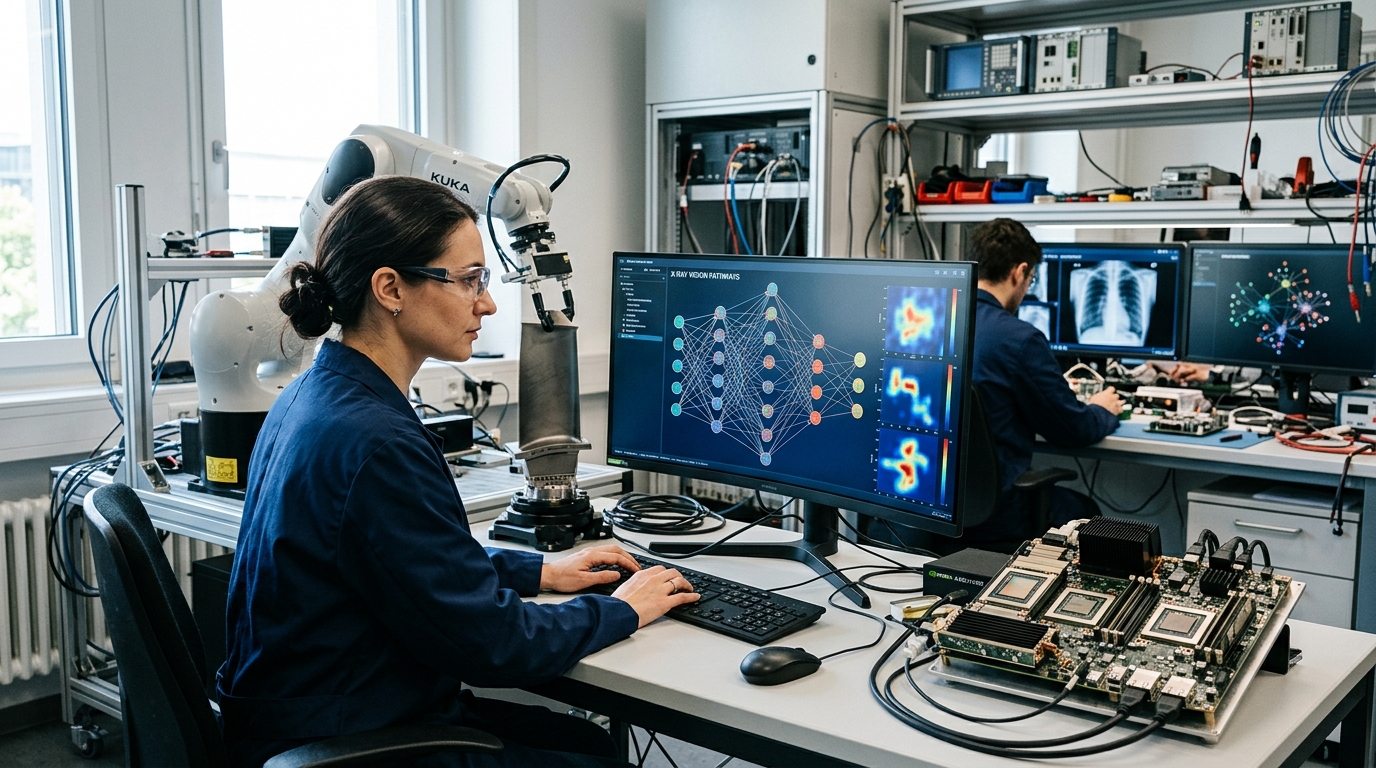
In the traditional heart of American industry, Detroit, the concept of the "X-ray" is taking on a new, digital dimension. It is no longer just about diagnosing medical conditions; it is about laying the foundation for a new era in Artificial Intelligence (AI) that allows machines to "see" through steel, aluminum, and complex electric vehicle batteries with precision that far exceeds human perception. Building a strong foundation in this technology is not merely a technical challenge; it is the new line of defense for global safety and manufacturing efficiency.
The Evolution from Traditional Inspection to AI Vision
For decades, industrial inspection relied on experienced technicians manually examining X-ray images to identify microscopic cracks or defects in critical components. However, as the complexity of modern machinery increases, the human eye is reaching its limits. The introduction of AI models based on "foundation models" allows for the automated analysis of thousands of images per second, identifying anomalies that would previously have gone unnoticed.
These systems do not function simply as filters. They are trained on massive datasets encompassing every possible material failure. As reported by The Detroit Bureau, the ability of AI to provide an "X-ray" of the production line itself enables companies to correct errors before a product even leaves the factory, dramatically reducing the costs associated with recalls.
The Importance of Data and the Ethics of Transparency
Creating a strong foundation in AI requires more than just code: it requires high-quality data. In the field of industrial X-rays, this means collecting and labeling millions of images from diverse manufacturing conditions. The challenge here is "explainability" (XAI). If an AI decides an engine component is defective, engineers must know *why*.
- Algorithmic Transparency: The need for models that are not "black boxes" but offer visual confirmation of their findings.
- Data Integrity: Ensuring that training data does not include biases that could lead to false positives.
- Human-Machine Collaboration: AI acts as augmented intelligence, enhancing the skills of inspectors rather than replacing them entirely.
Battery Safety and the Future of Electrification
Perhaps the most critical application of this technology lies in the manufacturing of electric vehicle (EV) batteries. A tiny air bubble or a slight misalignment of electrodes can lead to thermal runaway and fires. Using AI X-ray allows for the inspection of every single battery cell in real-time. This "foundation" of safety is essential for gaining consumer trust in the transition toward green energy.
"Artificial intelligence is no longer a luxury add-on; it is the digital microscope that makes modern heavy industry possible," industry analysts note.
As we move through 2026, the integration of these systems with the Industrial Internet of Things (IIoT) will create an ecosystem where machines self-diagnose. Detroit, through this technological pivot, is attempting to redefine itself not just as a manufacturing center, but as a hub of innovation in computer vision.
Conclusions and Outlook
Building these foundations requires investment in cloud and edge computing infrastructure, as processing high-resolution X-ray images demands immense computational power. Furthermore, legislation must follow, setting standards for what constitutes "acceptable" accuracy in an AI diagnosis. The future of industry is transparent, digital, and, above all, based on a deep understanding of the interplay between hardware and software.