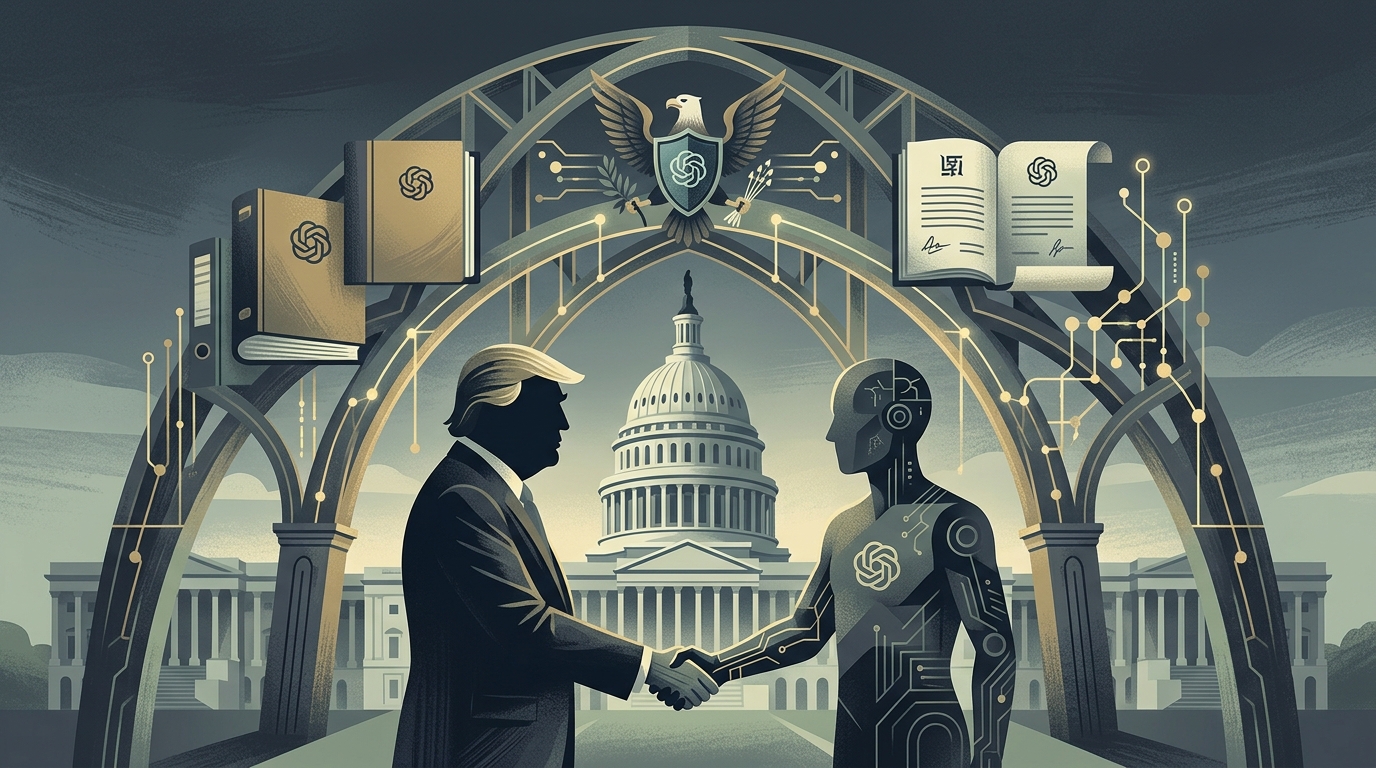
Diplomacy via social media is not a new phenomenon for Donald Trump, but his recent posts regarding Greenland and the vision of a "United States of the Middle East" signal a new, even bolder phase of his foreign policy. In an era where global balances are already fragile, the American president is bringing back the concept of "transactional diplomacy," where states and regions are treated as assets on a global real estate chessboard.
The Persistent Flirtation with Greenland
The post "Hello Greenland" is not merely a greeting; it is a reminder of an ambition many considered dead in 2019. Greenland, an autonomous territory of Denmark, occupies one of the most strategic positions in the world. With climate change opening new maritime routes in the Arctic and making vast reserves of rare earth elements accessible, the island's value has skyrocketed. Washington views Greenland not only as a defensive shield through the Pituffik Space Base but also as a critical bulwark against the growing influence of Russia and China in the North.
Copenhagen's reaction remains firmly negative, yet Trump's persistence suggests a deeper strategy. This is no longer just about a simple land purchase; it is an attempt to redefine American sovereignty in areas perceived as "power vacuums." This rhetoric, while causing friction with European allies, resonates with a domestic audience that desires the expansion of American power in terms of strength and profit. The Arctic is fast becoming the next frontier for resource extraction and military posturing, and Trump wants the U.S. to hold the deed.
"United States of the Middle East": Vision or Utopia?
Equally disruptive is the reference to the "United States of the Middle East." Following the success of the Abraham Accords during his first term, Trump appears to be pursuing something much larger: a regional integration that transcends traditional religious and ethnic conflicts, focusing instead on economic cooperation and collective security against Iran. The idea of a "Middle East" functioning as a unified bloc under an American umbrella is a direct challenge to traditional "two-state" diplomacy and slow-moving peace processes.
This approach necessitates a radical paradigm shift. Instead of imposing Western-style democracy, the Trump strategy focuses on "peace through prosperity." However, critics point out that ignoring political and humanitarian issues—particularly the Palestinian question—could lead to a fragile stability that collapses at the first sign of crisis. The Middle East is not a homogeneous market but a mosaic of interests that often clash violently. Proposing a federal-like structure for such a volatile region is either a stroke of genius or a dangerous simplification of history.
The Implications of "Twitter Diplomacy"
The question remains whether these posts constitute official policy or are simply tools of leverage and negotiation. In Trump's case, the distinction is often non-existent. Using social media to articulate geopolitical goals bypasses the State Department and traditional channels, creating a climate of uncertainty that Trump himself views as an advantage. This unpredictability forces both adversaries and allies to remain on edge and offer concessions to maintain the status quo.
- The strategic importance of the Arctic as the new arena for great power competition.
- The attempt to build an anti-Iranian front in the Middle East through economic ties.
- The challenge to international norms regarding sovereignty and territorial integrity.
- The domestic political consumption of these messages within the United States.
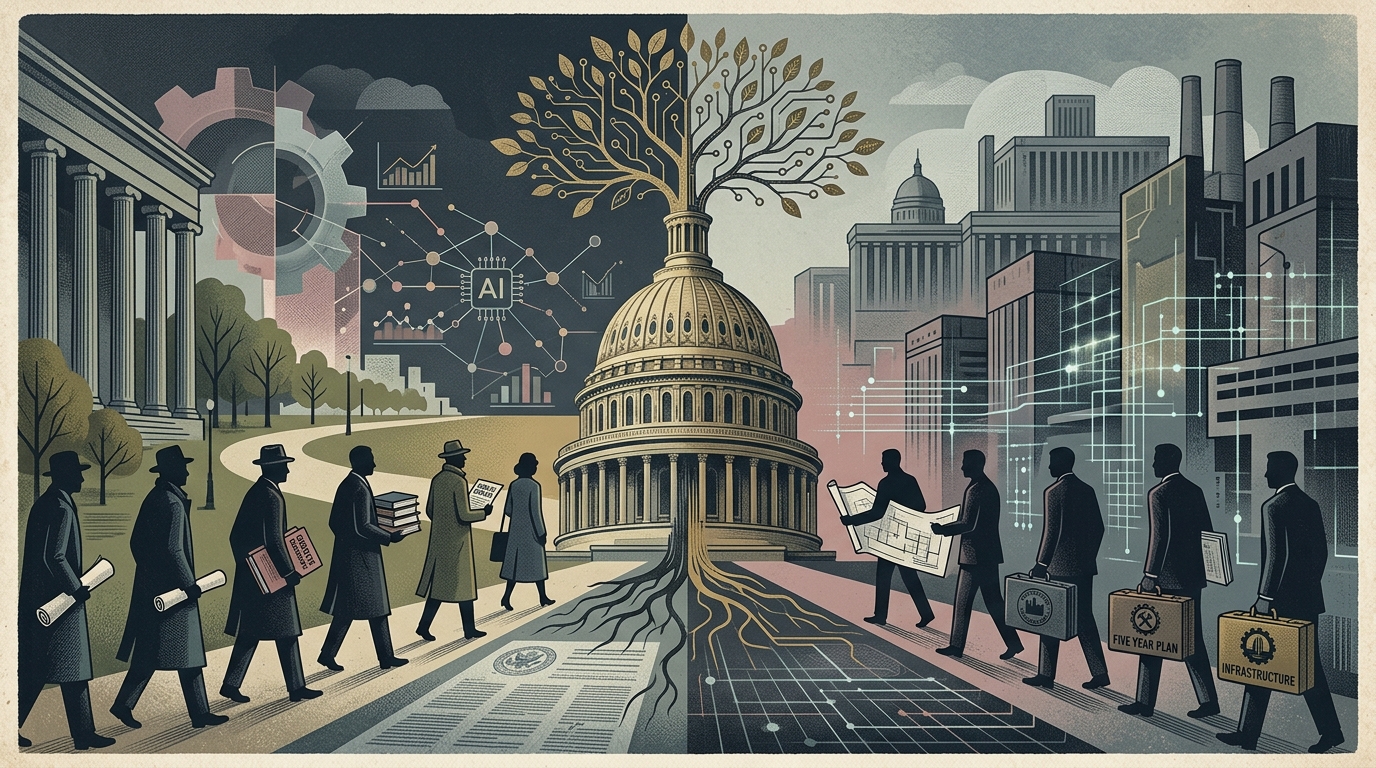
In conclusion, Trump's posts about Greenland and the Middle East should not be viewed as isolated incidents. They are part of a broader plan to rearrange the world according to the "The Art of the Deal" model. Whether it is the acquisition of a continent or the unification of a turbulent region, the goal remains the same: maximizing American influence at the lowest possible cost, even if it means overturning decades of diplomatic tradition. The world must now decide whether to treat these posts as eccentric whims or as the blueprints for a new global order.