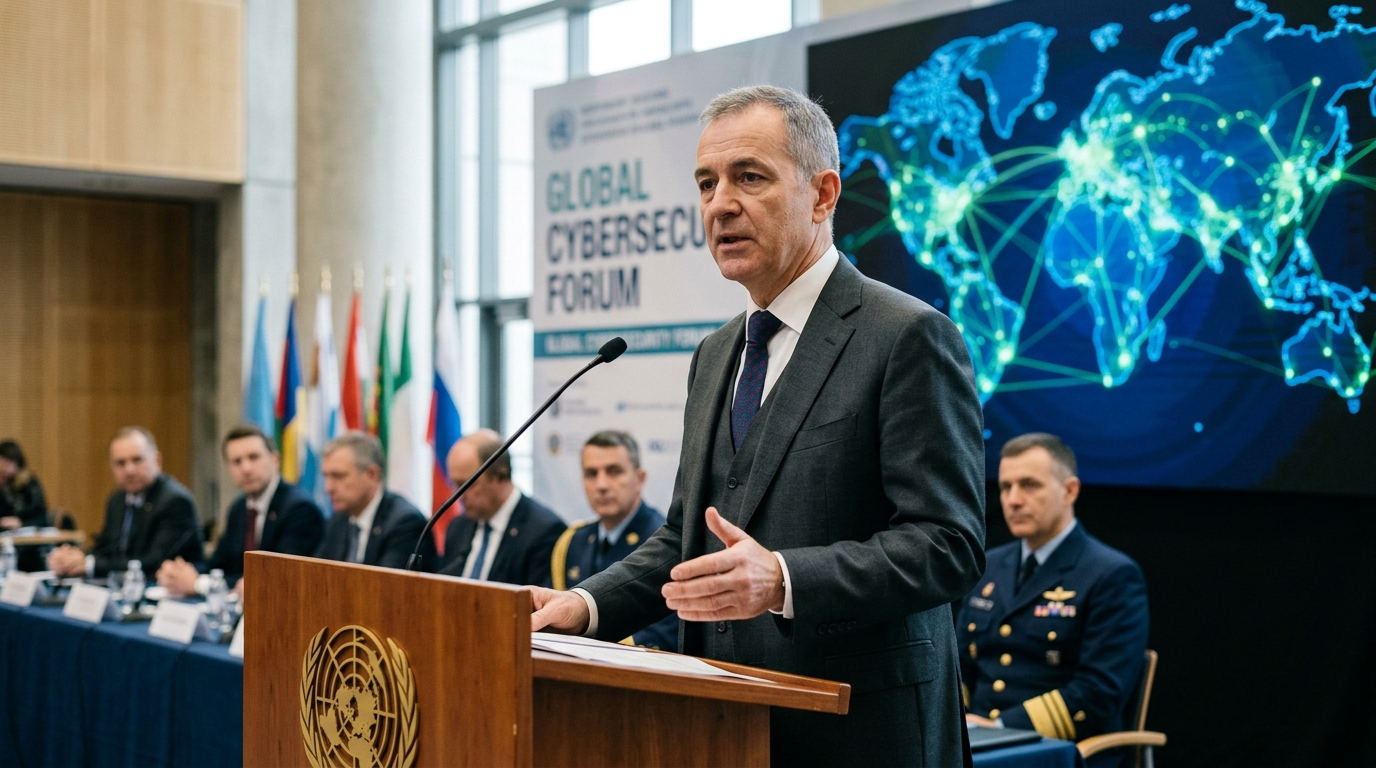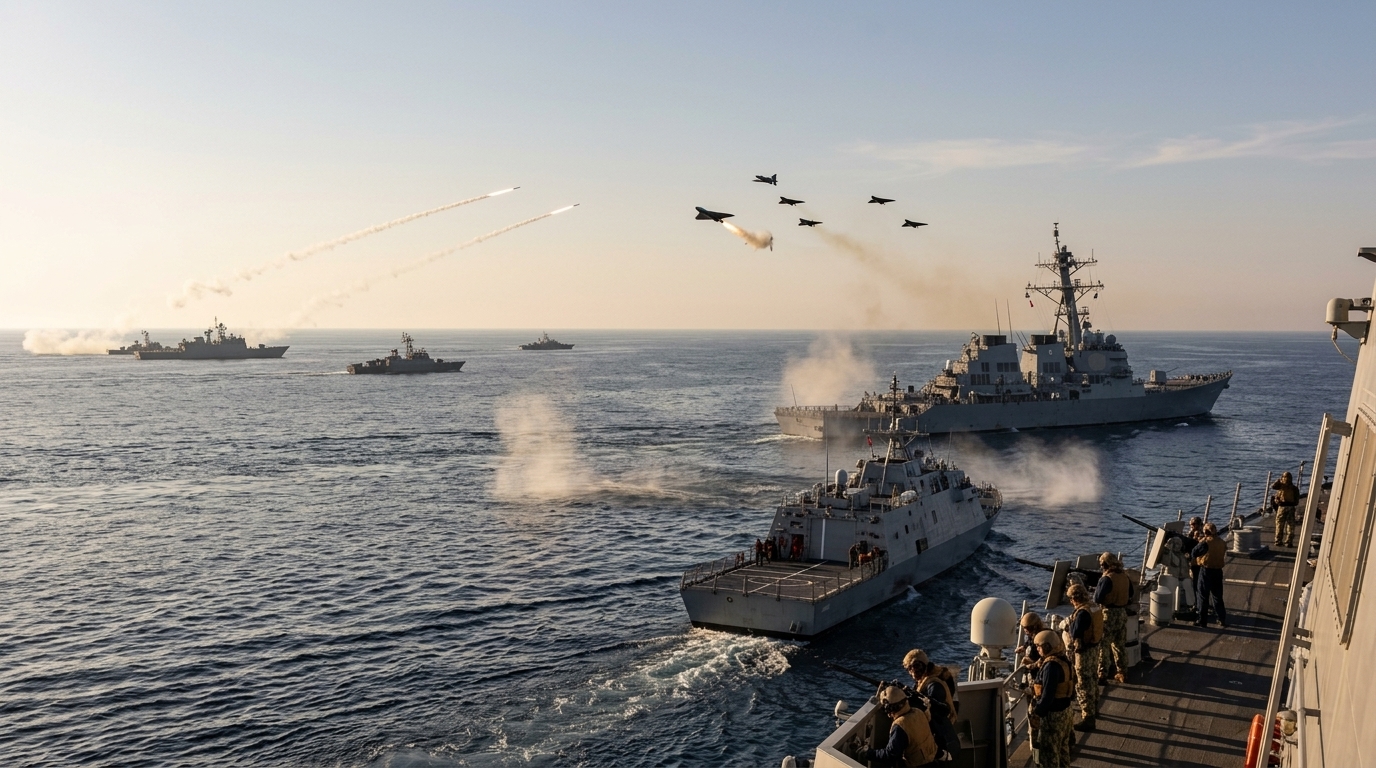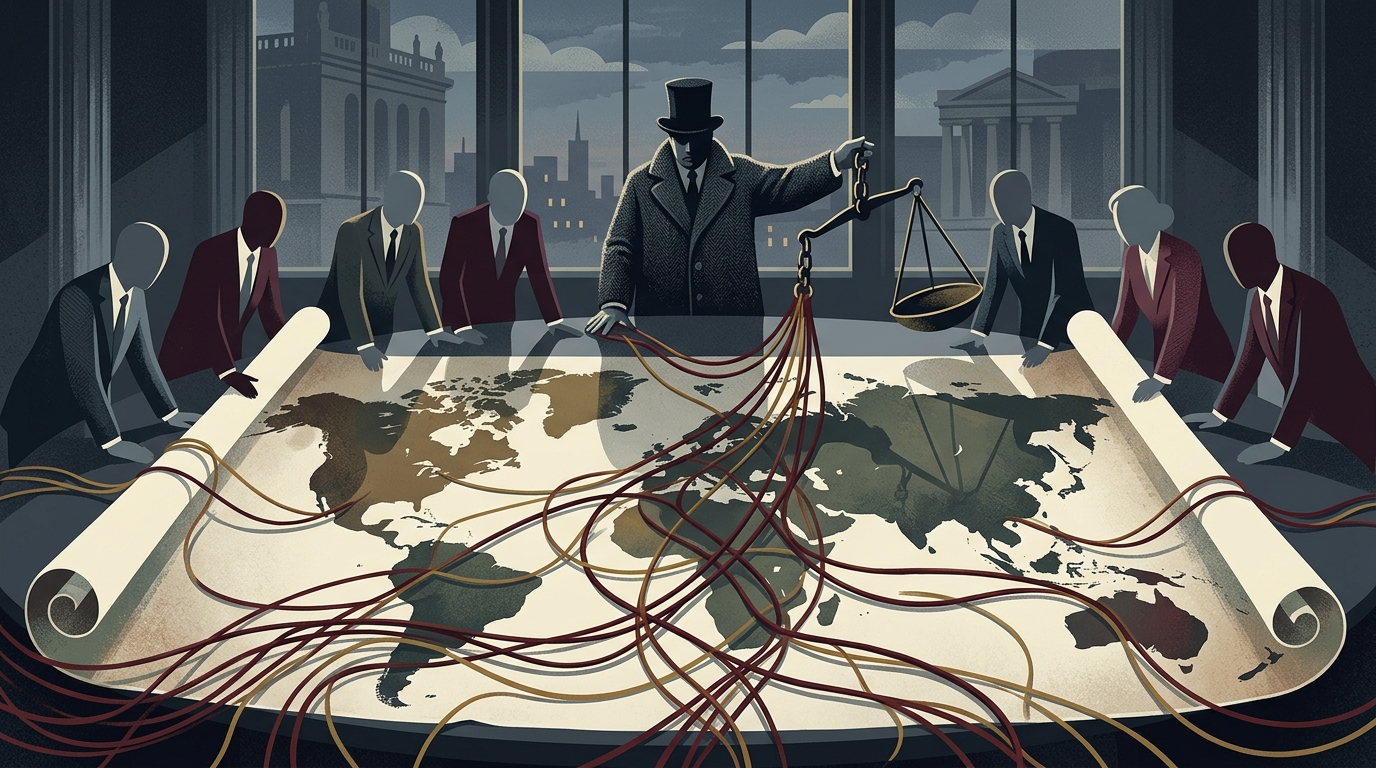
In a development that could fundamentally reshape the geopolitical landscape of the Middle East, the United States and Iran are reportedly on the verge of signing a Memorandum of Understanding (MOU) aimed at ending their protracted military conflict. Statements made by U.S. Secretary of State Marco Rubio in New Delhi, India, carried a tone of cautious optimism, suggesting that months of back-channel diplomacy are finally yielding results. However, this potential accord carries a paradoxical distinction: while it secures commitments for free navigation through the Strait of Hormuz, it pointedly excludes Tehran’s controversial nuclear program from the negotiations.
The Strategic Pivot: The Strait of Hormuz
The inclusion of the Strait of Hormuz in the draft agreement is being hailed as a major diplomatic triumph for global economic stability. As the world’s most vital oil transit chokepoint, the Strait has long been a theater of tension, with Iran frequently threatening closures in response to international sanctions. A commitment to de-escalate in these waters suggests a pragmatic shift. For Washington, securing energy flows is a top priority, especially as global markets remain sensitive to supply shocks in 2026.
Diplomatic sources indicate that the MOU proposes a joint monitoring mechanism, potentially involving third-party nations like India or Oman. This would serve as a safety valve to prevent tactical misunderstandings from spiraling into full-scale kinetic engagement. Tehran, for its part, appears willing to accept these terms in exchange for the easing of specific economic restrictions that have crippled its energy exports and domestic infrastructure.
The Nuclear Paradox: A Fragile Peace?
The most contentious aspect of the pending deal is the total absence of nuclear-related provisions. The U.S. administration’s decision to decouple the cessation of hostilities from the nuclear file has sparked a firestorm of criticism in Washington. Opponents argue that any agreement failing to address the existential threat of a nuclear-capable Iran is inherently flawed and merely kicks the can down the road.
"We cannot speak of lasting peace when the elephant in the room—the nuclear program—continues to grow unchecked," remarked a senior Republican senator following Rubio's announcement.
Nevertheless, the strategy championed by Rubio appears to be one of incrementalism. The underlying logic is that by halting direct combat and stabilizing the Persian Gulf, the parties can build enough diplomatic capital to tackle more intractable issues later. It is an approach that prioritizes "negative peace"—the absence of active war—over the elusive search for a comprehensive, all-encompassing settlement that has failed for decades.
India’s Role as the New Diplomatic Nexus
The choice of New Delhi as the venue for these high-level disclosures is no coincidence. India has emerged as a pivotal mediator, maintaining robust ties with both Washington and Tehran. India’s involvement provides a non-Western diplomatic umbrella, allowing Iran to negotiate without the optics of total capitulation to the West. Furthermore, India has a direct stake in the stability of the Strait of Hormuz, as its own energy security is inextricably linked to the free flow of tankers from the Gulf.
The agreement, if finalized, will stand as a landmark of 2026 diplomacy. It would signal an end to a period of extreme volatility, yet it simultaneously raises new questions about the regional balance of power. Iran remains a regional heavyweight with significant ambitions, and the U.S., despite its long-stated desire to pivot away from the Middle East, finds itself once again anchored by the region's geopolitical gravity.
Conclusion: A High-Stakes Gamble
As the world awaits the formal announcement promised by Rubio for "later today," the international community remains divided. Is this MOU a genuine breakthrough for peace or a strategic pause before the next inevitable storm? What is certain is that the inclusion of Hormuz offers much-needed relief to global markets, but the silence on nuclear issues will continue to cast a long, dark shadow over the Persian Gulf. History will ultimately decide whether the realism of 2026 was a masterstroke of diplomacy or merely a stay of execution for a broader conflict.