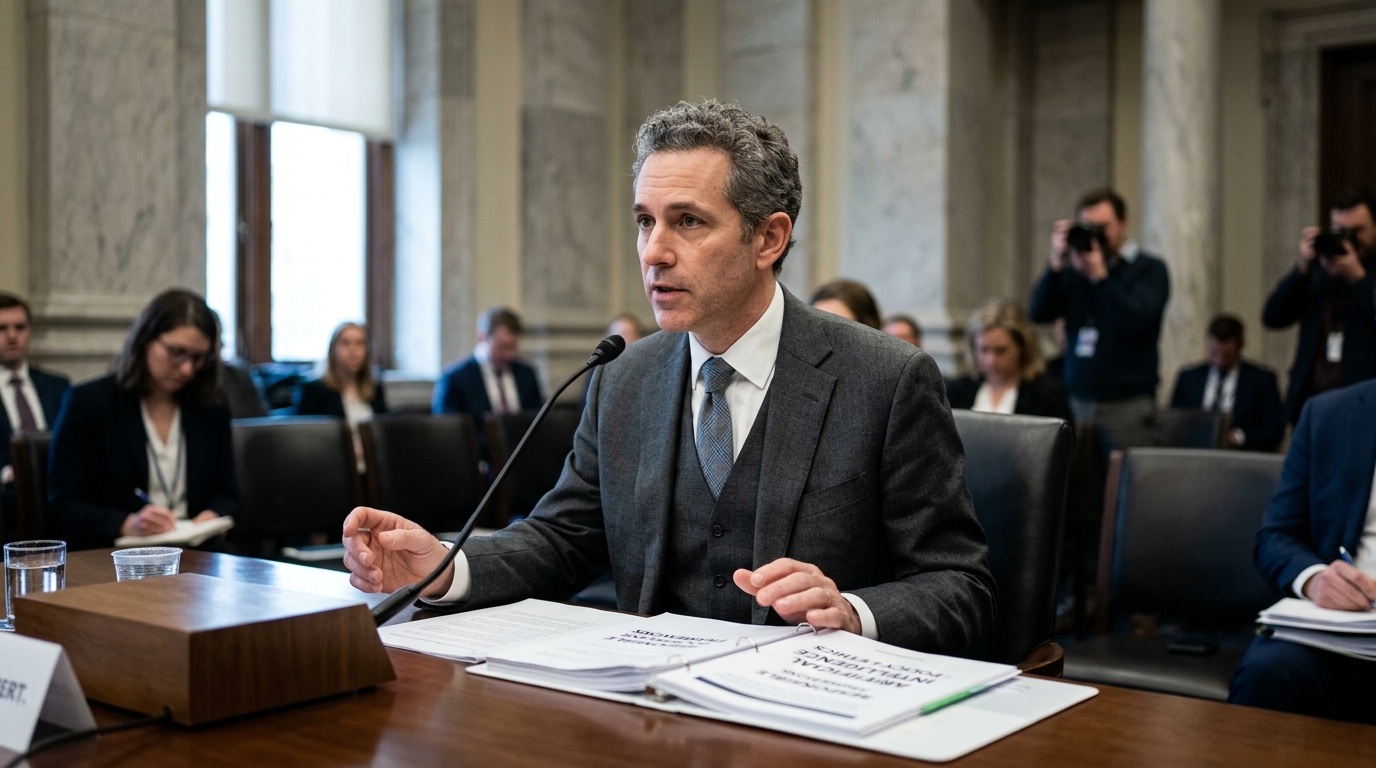
In the evocative setting of Delphi, where ancient oracles once shaped the destinies of city-states, the modern Greek state attempted to provide an answer to one of the most intractable problems of the digital age: anonymity. Dimitris Papastergiou, the Minister of Digital Governance, speaking at the 11th Delphi Economic Forum, caused a stir with his clear stance in favor of ending internet anonymity, linking this move directly to the protection of democracy against the onslaught of Artificial Intelligence and disinformation.
The Challenge of Digital Truth
The discussion, which drew intense interest from academics, technocrats, and civil society representatives, focused on the role of Artificial Intelligence (AI) in shaping "truth." In a world where deepfakes—high-fidelity fake videos and audio—can be generated in seconds, the distinction between reality and a fabricated narrative becomes nearly impossible for the average user. Mr. Papastergiou emphasized that anonymity, while initially a tool for freedom, has evolved into a sanctuary for those seeking to poison public discourse without any consequences.
"We must end anonymity on the internet. Freedom of speech cannot be a shield for slander and the spread of fake news that threatens social cohesion," the Minister stated emphatically.
Regulation and Digital Identity
The proposal is not merely theoretical. It is part of a broader framework of European initiatives, such as the Digital Services Act (DSA) and the AI Act. Greece, through its digital wallet (Gov.gr Wallet), already possesses the technological infrastructure for user identification. The idea is to create a "Verified Identity" system, where social media platforms would require verification of user credentials before allowing them to post content.
Proponents of this approach argue that accountability is key to a healthy digital space. Just as in the physical world a citizen bears responsibility for their words, so in the digital realm, the ability to hide behind a pseudonym encourages toxicity, cyberbullying, and strategic disinformation by foreign influence centers.
Reactions and the Privacy Question
However, the proposal to abolish anonymity is not without its critics. Digital rights organizations warn of the risk of sliding into a regime of total surveillance. Anonymity, they argue, is essential for whistleblowers, activists in authoritarian regimes, and members of vulnerable groups seeking support without fear of social stigma.
- Surveillance: The risk of governments using identification to suppress dissenting voices.
- Data Security: The concentration of identification data by Big Tech platforms creates massive targets for cyberattacks.
- Digital Literacy: Many experts believe the solution is not banning anonymity, but educating citizens to recognize fake news.
AI as an Accelerator
The Forum highlighted that the rapid evolution of Generative AI is a game-changer. If disinformation previously required "armies" of trolls, today a single malicious actor with access to powerful language models can flood the internet with convincing but false content. Mr. Papastergiou pointed out that technology must be used as the antidote: algorithms that detect deepfakes and blockchain systems that certify the source of news.
In conclusion, the Minister's remarks at Delphi signal the beginning of a period of intense legislative and political shifts. The balance between the security of the digital public square and the protection of individual liberties remains the great challenge of the decade. Greece, seeking to lead in the digital transition, seems willing to open this "Pandora's box" regarding the re-evaluation of anonymity, prioritizing truth over concealment.