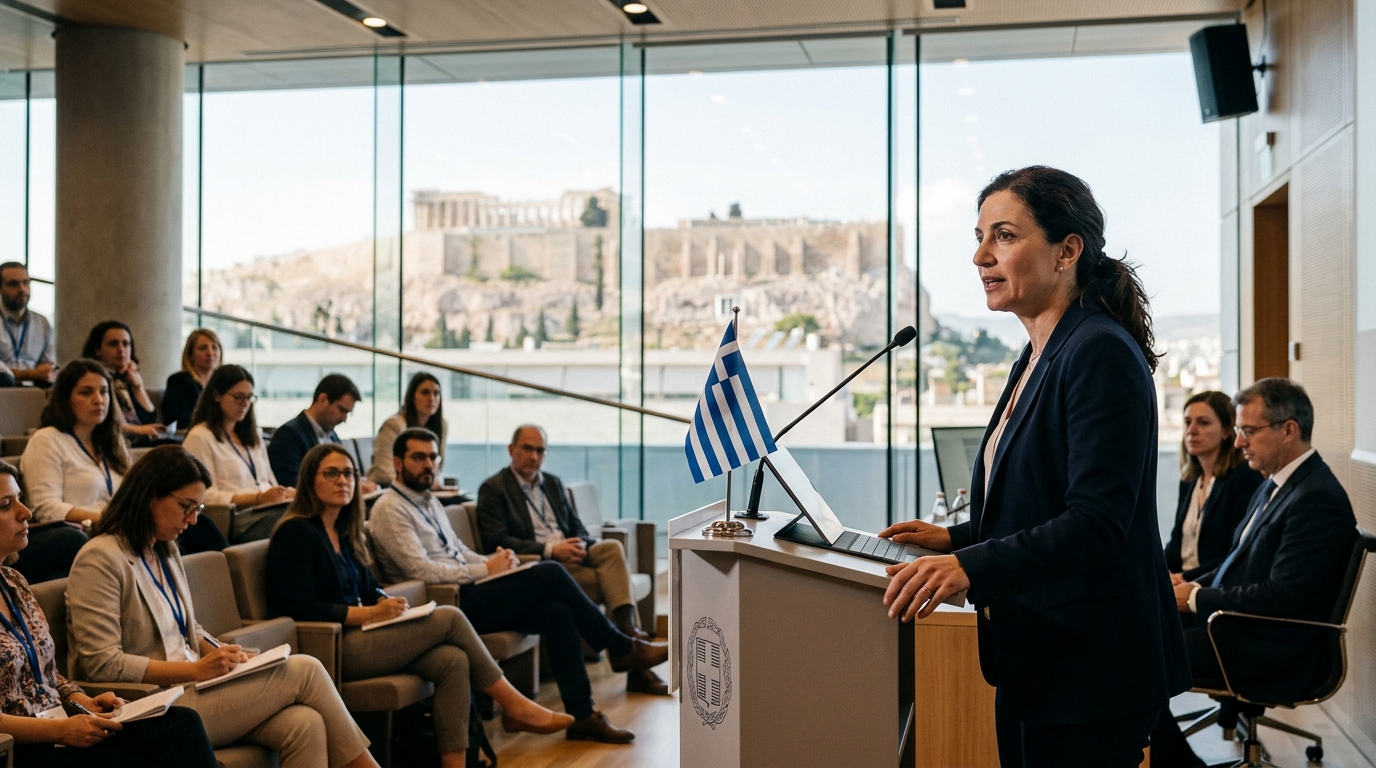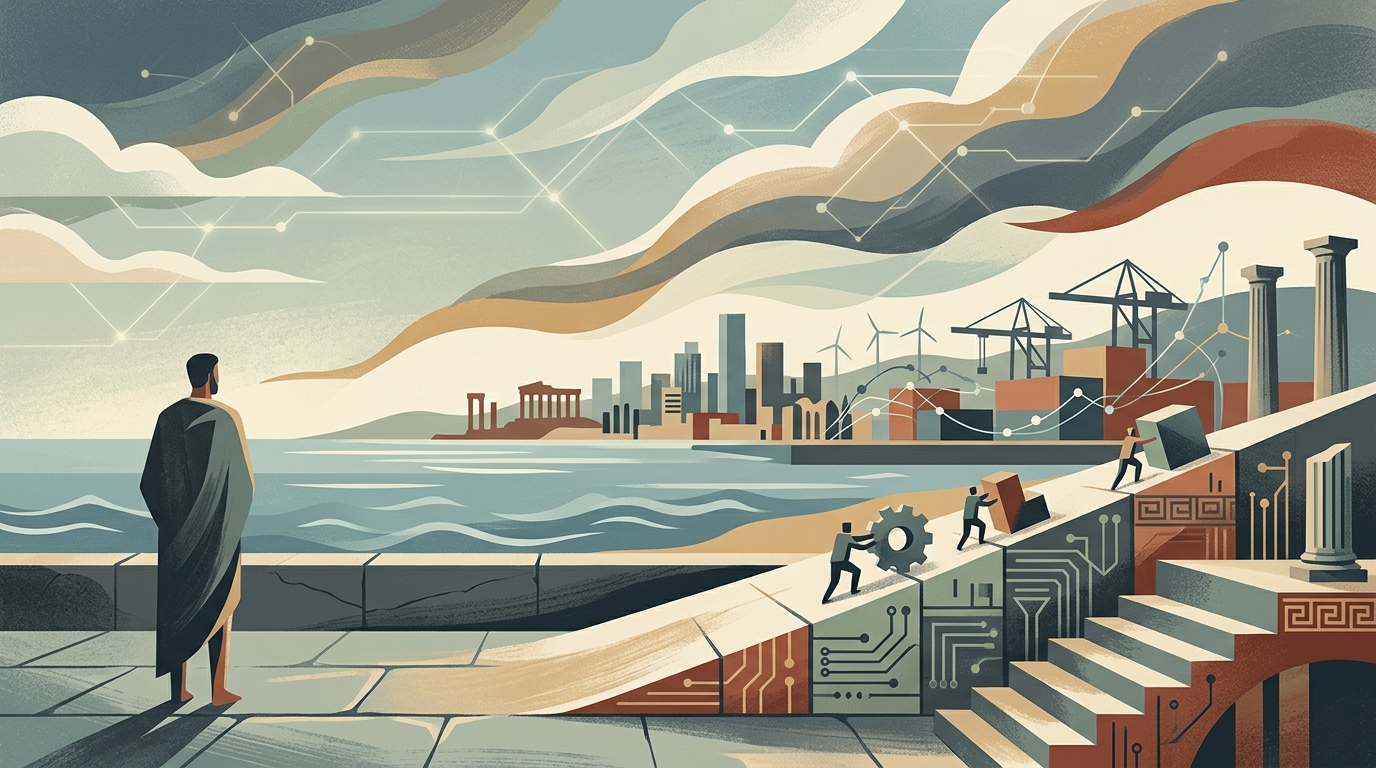
Against the majestic backdrop of the Delphi Economic Forum, the dialogue regarding the future of the Greek economy took on a new, urgent dimension through the words of the President of the Athens Chamber of Commerce and Industry (ACCI), Yannis Bratakos. His intervention was not merely a presentation of economic indicators, but a strategic call for a radical overhaul of the country's productive model. In an era where geopolitical balances are shifting and the technological revolution is redefining global trade, Greece is called to decide whether it will remain a passive observer or transform into an extroverted hub of innovation and production.
Resilience as a Foundation for the Next Step
Mr. Bratakos began his analysis by acknowledging the remarkable resilience shown by the Greek economy in recent years. Despite successive crises—from the pandemic to energy turmoil and inflation—Greece managed to maintain growth rates higher than the European average. However, the ACCI President warned against complacency. Resilience, as he emphasized, is the starting point, not the final destination. The current model, which relies heavily on domestic consumption and low-added-value services, has reached its limits.
The transition to a "new productive paradigm" presupposes the strengthening of manufacturing, the boosting of exports, and investment in sectors that incorporate high technology. According to Mr. Bratakos, Greece possesses the human capital but still lacks the structures that would allow this capital to flourish within its borders. Attracting Foreign Direct Investment (FDI) should not just concern real estate or tourism, but industrial units and research centers that create well-paying jobs.
Political Stability and Reforms
One of the central points of his speech was the inextricable link between economic progress and political stability. Mr. Bratakos emphasized that investors seek predictability. In an international environment of intense uncertainty, Greece must project a message of seriousness and continuity. "Political stability is not a luxury; it is a prerequisite for survival," he noted, adding that reforms in justice, public administration, and education must be accelerated.
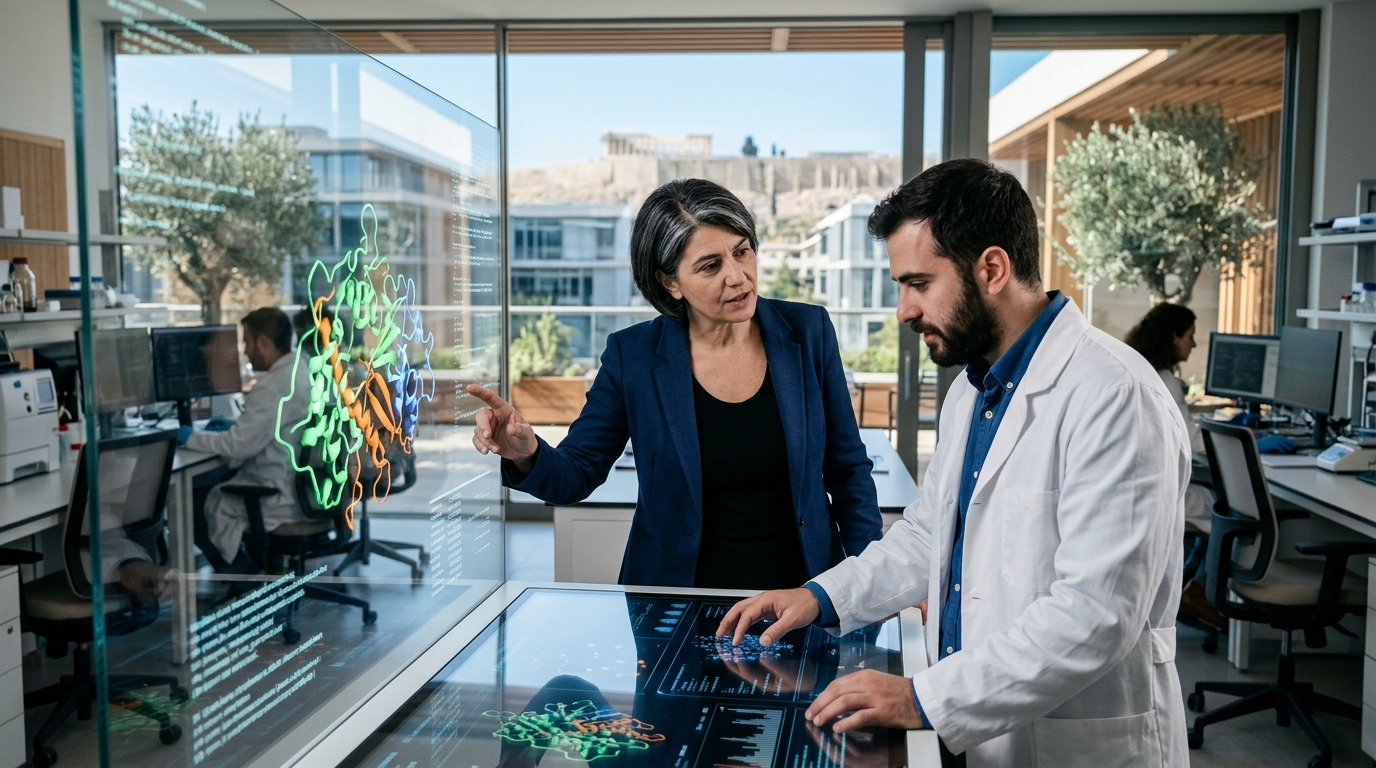
Particular emphasis was placed on the digital transformation of businesses. ACCI, as the country's largest chamber organization, is at the forefront of this effort, supporting Small and Medium Enterprises (SMEs) in adopting artificial intelligence and automation tools. Mr. Bratakos noted that without the digital upgrading of the production base, the gap with the rest of Europe will widen, making Greek products less competitive in international markets.
The Challenge of Green Transition and Human Capital
Climate change and the need for a green transition constitute, according to the ACCI President, both a challenge and an opportunity. Greece can play a leading role in renewable energy sources, reducing energy costs for its industry and exporting clean energy. However, this requires bold investments in infrastructure and networks, as well as a clear institutional framework that does not get trapped in bureaucratic entanglements.
Finally, Mr. Bratakos referred to the issue of the shortage of skilled personnel, a problem that deeply concerns the business world. Connecting education with the labor market remains the great desideratum. The country needs an educational system that produces skills compatible with the needs of the modern economy, while simultaneously encouraging "brain gain"—the return of Greek scientists from abroad. His closing remarks at Delphi were a call for national alertness: the time for observations has passed; now is the time for implementation.