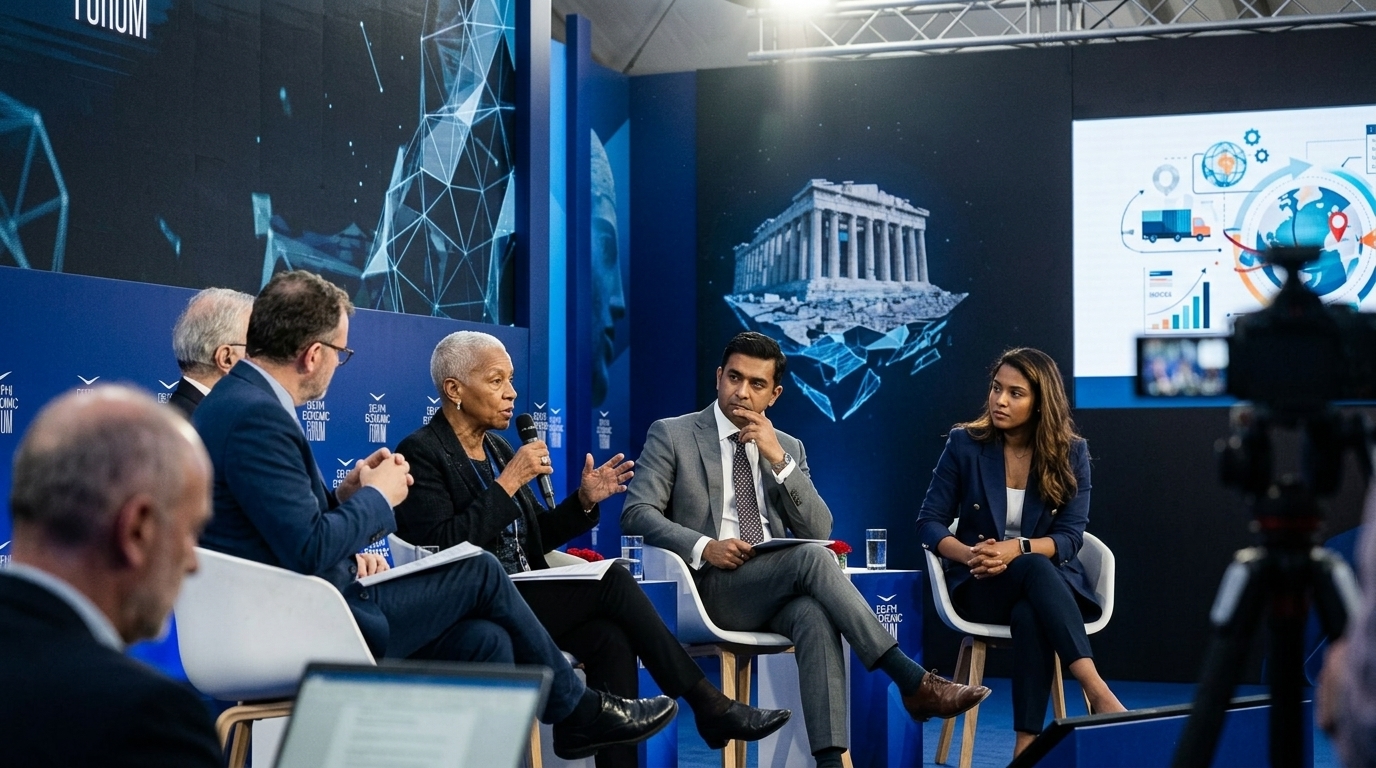
The spring of 2026 finds the global economy at a critical crossroads, with the Delphi Economic Forum (DEF) once again serving as the "Pythia" of modern developments. In this year's discussions, the euphoria surrounding technological progress is tempered by deep-seated concerns regarding geopolitical fragmentation and the rising operational costs of heavy industry. Businesses are no longer merely asked to grow; they are challenged to survive in an environment of "permacrisis," where agility has become the most valuable asset.
Artificial Intelligence: From Hype to Reality
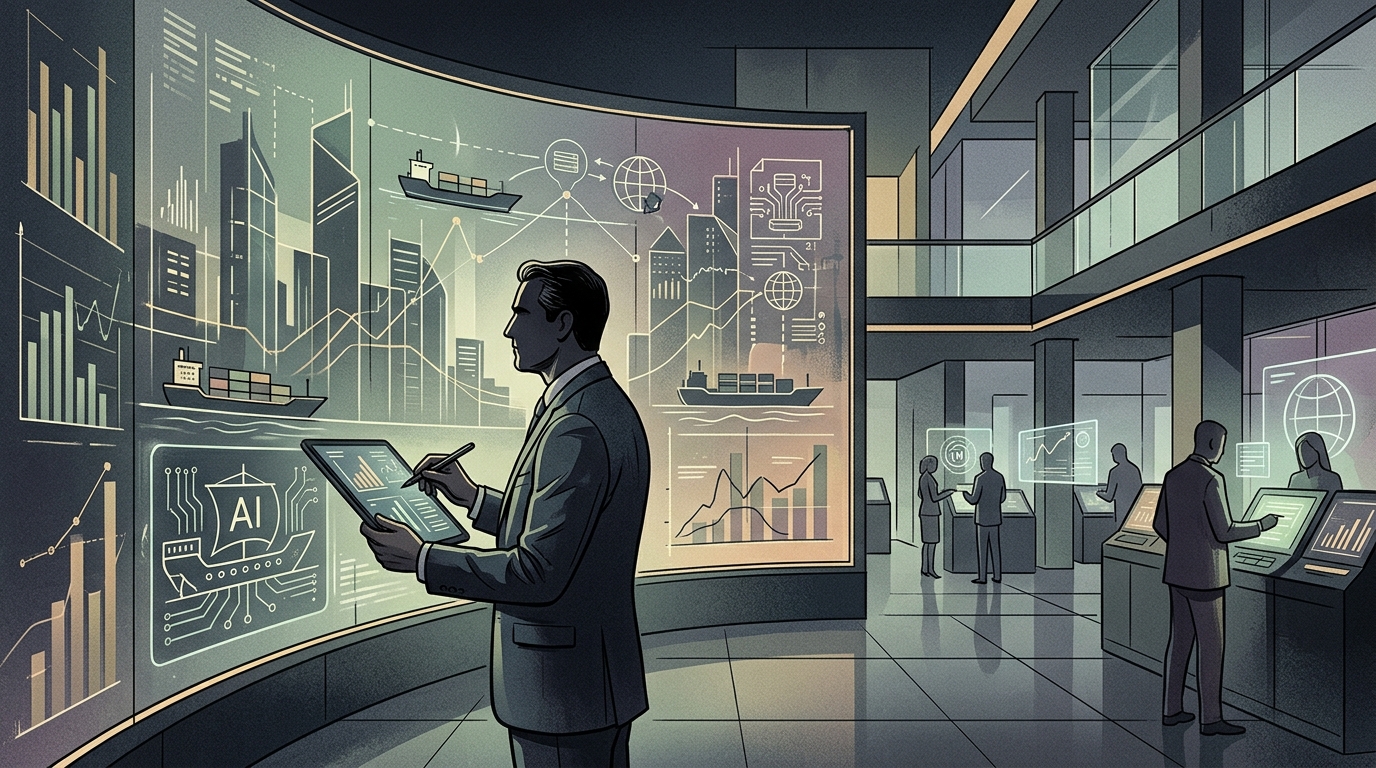
2026 marks the transition from the era of experimentation with Generative AI to the full integration of artificial intelligence into core business processes. In the panels at Delphi, executives from banking, shipping, and manufacturing sectors agreed that AI is no longer an "optional tool" but the backbone of productivity. However, a darker side emerged: the massive infrastructure costs and the constant need for workforce reskilling.
- Automated Decision-Making: Companies are now utilizing AI models to predict supply chain disruptions before they manifest.
- The Specter of Unemployment: Despite reassurances, the debate over job displacement remains intense, with state intervention in social welfare deemed imperative.
- Cybersecurity: AI is being used equally by malicious actors, making digital fortification one of the largest expenditures for modern conglomerates.
Energy Costs and European Competitiveness
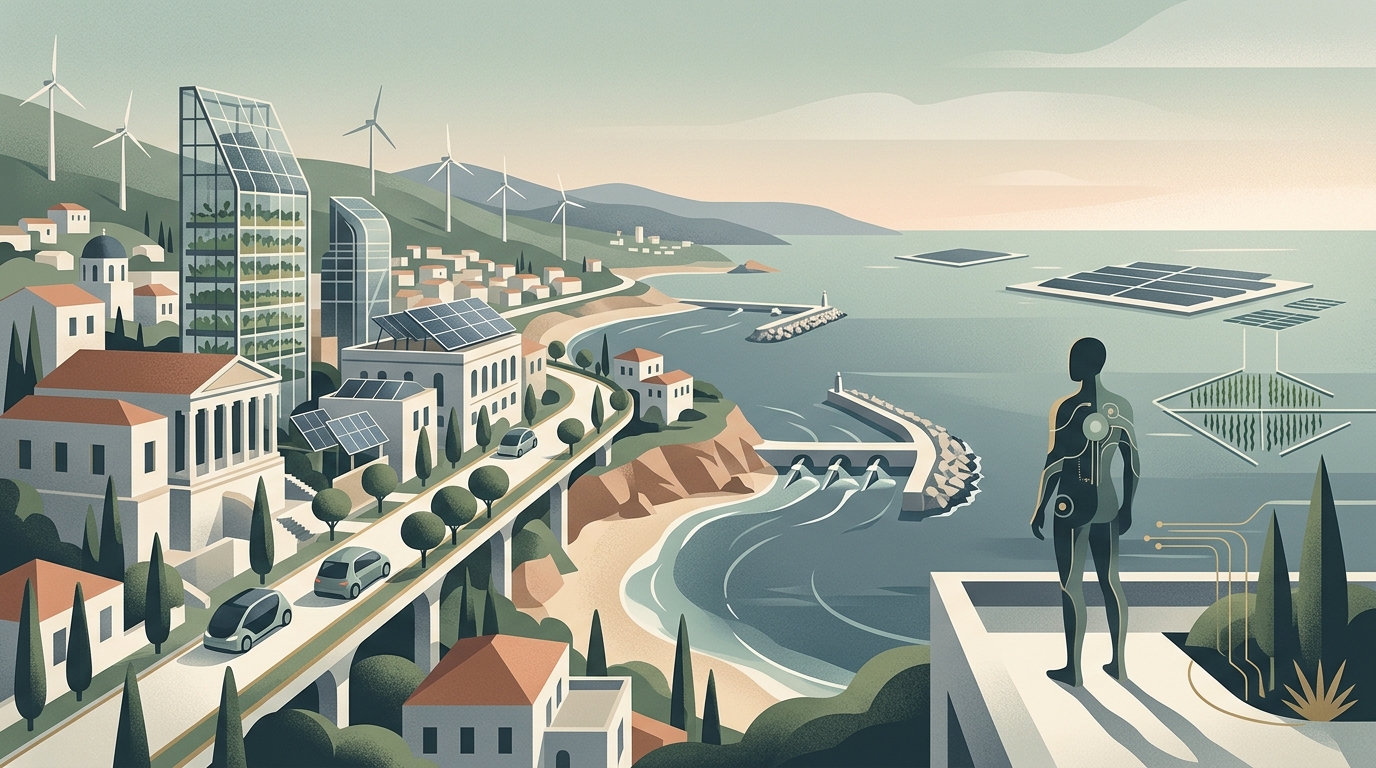
One of the most thorny issues of DEF 2026 was the divergence in energy costs between Europe and the US/China. Representatives of Greek industry emphasized that the "Green Transition," while necessary, imposes an unbearable burden on European enterprises. The need for a more realistic approach to Net Zero 2050 became a central theme, with many calling for accelerated investment in Small Modular Reactors (SMRs) and hydrogen.
"We cannot have a green economy without having an economy. The deindustrialization of Europe is a real risk if we do not balance climate goals with energy competitiveness," stated a leading energy sector figure.
Greece, however, seems to be gaining ground as an energy hub, with interconnections to the Balkans and the Eastern Mediterranean offering a sense of security, although prices for the end consumer remain vulnerable to international volatility.
Geopolitical Instability: The End of Globalization?
Discussions in Delphi confirmed that globalization, as we knew it in the 2010s, is dead. In its place, "friend-shoring" is emerging—the trend of companies relocating production to countries with similar political values. Conflicts in the Middle East and the ongoing tension in Ukraine have made trade routes unpredictable. Businesses are now required to manage not only economic but also geopolitical risks, incorporating international relations analysts into their boardrooms.
Human Capital: The Great Deficit
Finally, the Forum highlighted the paradox of the era: while technology gallops forward, businesses find it harder than ever to find specialized personnel. In Greece, the demographic problem combined with the brain drain of previous years creates an explosive mixture. The solution, according to experts, lies in the radical restructuring of the educational system and the attraction of talent from abroad, which requires bold political decisions.
In conclusion, DEF 2026 sent a clear message: The businesses that will survive are not necessarily the largest, but those that can transform the fastest, understand the geopolitical chessboard, and invest in humans as much as in machines.