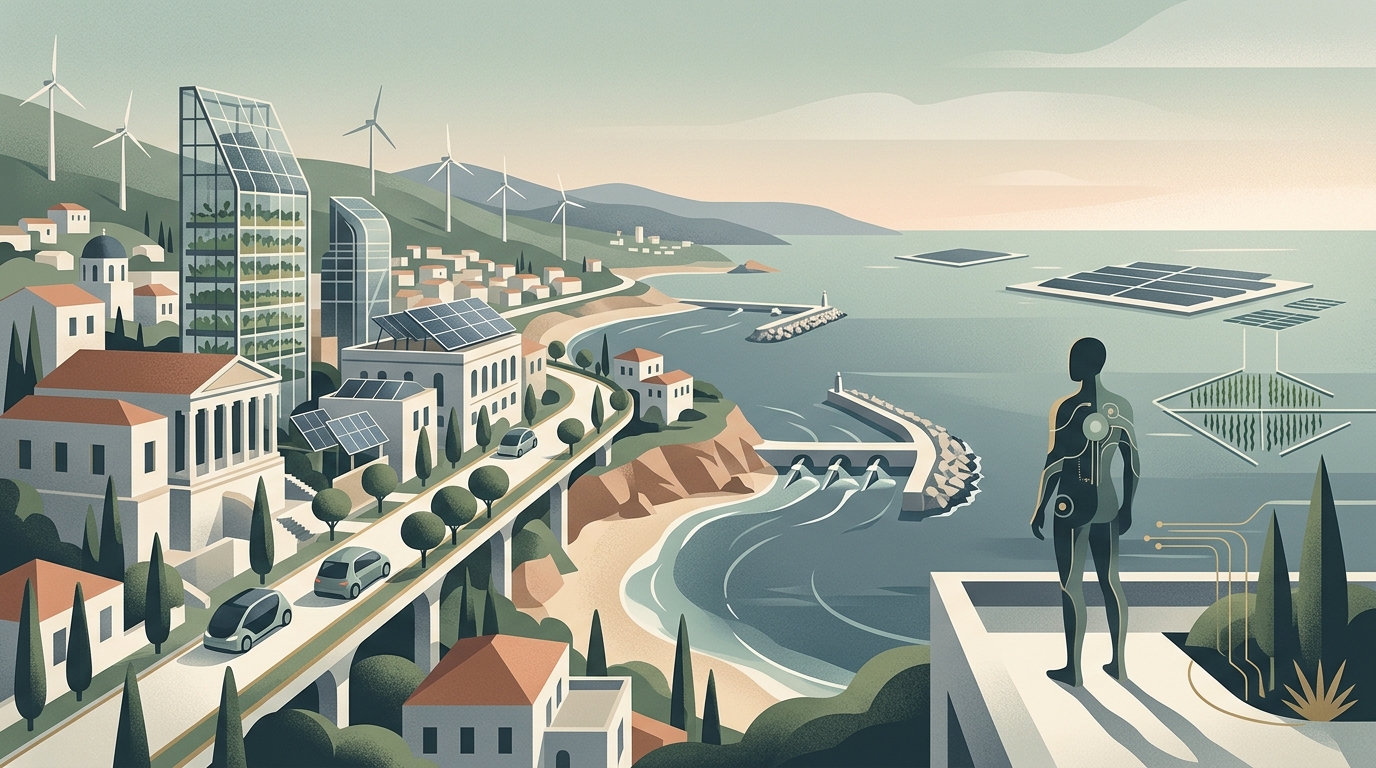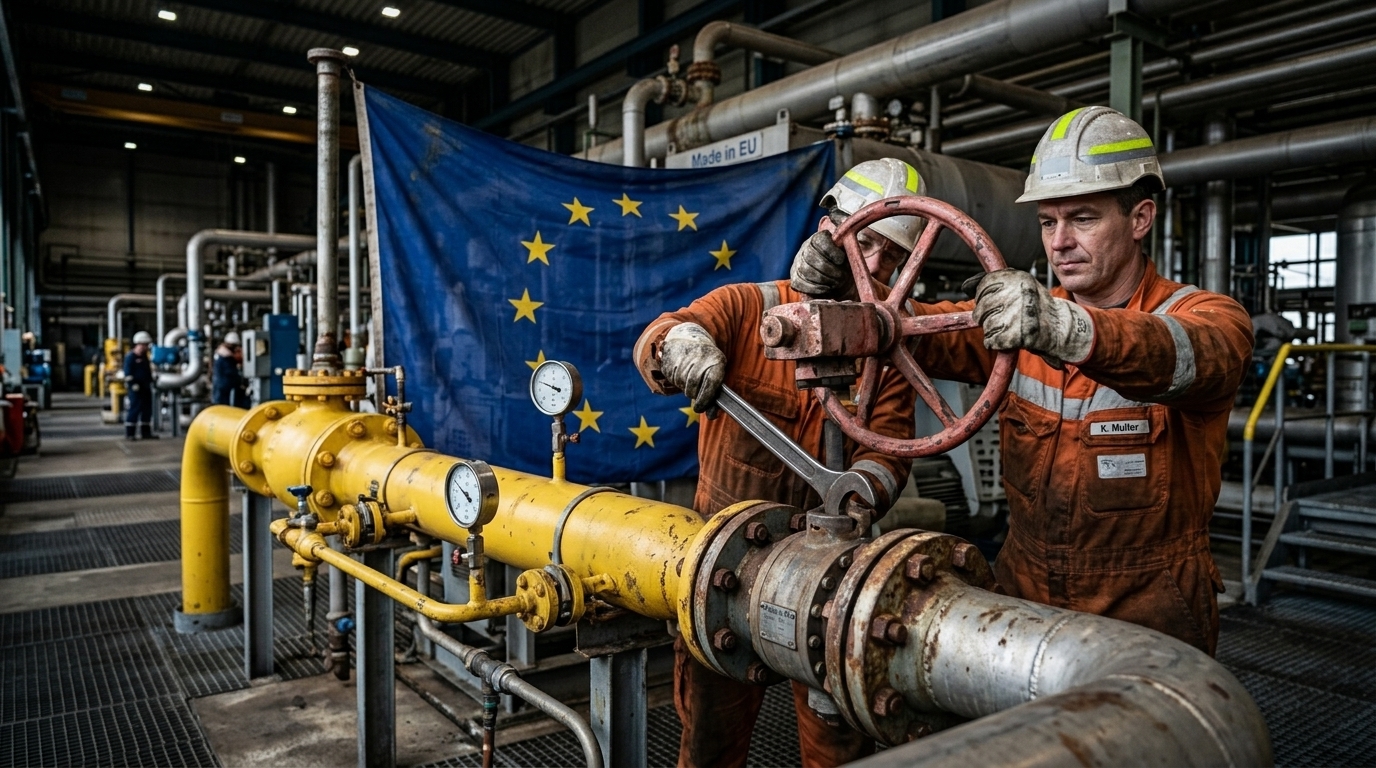
The spring of 2026 finds the European Union facing a familiar yet more complex nightmare: skyrocketing energy costs. Despite the efforts of previous years to decouple from Russian fossil fuels and the rapid shift toward renewable energy sources (RES), market reality is proving harsh. Natural gas prices at the TTF hub exhibit high volatility, while oil moves at levels that disproportionately burden transport and production. Fortune Greece highlights the growing pressure on Brussels for more radical interventions, as existing tools now appear inadequate.
The Market Architecture Under Question
The central issue occupying the European Council is the structure of the electricity market. The "merit order" pricing model, where the most expensive production unit—usually natural gas—sets the final price for everyone, is under heavy fire. Southern countries, with Greece leading the charge, are calling for a permanent mechanism to decouple electricity prices from natural gas fluctuations. However, Northern countries, led by Germany and the Netherlands, remain cautious, fearing that such an intervention would discourage investment in the green transition.
"We cannot allow market speculation to dictate the survival of European households and businesses," said a senior Commission official, reflecting the sense of urgency.
The discussion is no longer just about temporary subsidies. Leaders are looking for structural changes that will include:
- Strengthening joint gas procurement to achieve better prices.
- Imposing wholesale price caps during periods of extreme crisis.
- Reviewing the Emissions Trading System (ETS), which adds significant costs to fossil fuel energy production.
Geopolitical Instability and the LNG Trap
Dependence on Liquefied Natural Gas (LNG), primarily from the US and Qatar, has created a new form of vulnerability. While Europe managed to replace Russian pipelines, it is now exposed to global competition for LNG cargoes. Any disruption in the Middle East or increased demand from Asia causes an immediate price spike in Europe. The lack of long-term contracts, which many avoided for environmental flexibility reasons, is now proving to be a double-edged sword.
Industrial De-industrialization Looms
High energy costs are not just an inflation problem; they are an existential threat to European industry. Energy-intensive sectors, such as steel, chemicals, and aluminum production, are seeing their competitiveness collapse against the US and China, where energy prices are significantly lower. There is a visible risk of "carbon leakage" and investment flight, with factories relocating outside the EU, leaving behind unemployment and economic stagnation.
The European Commission is now considering the possibility of creating a new "Energy Solidarity Fund," which would be funded by joint borrowing or by the windfall profits of energy companies. However, fiscal constraints in many member states make an agreement difficult. The challenge for 2026 is to find the balance between the free market and state protection, in a world where energy has been transformed into the ultimate geopolitical weapon.