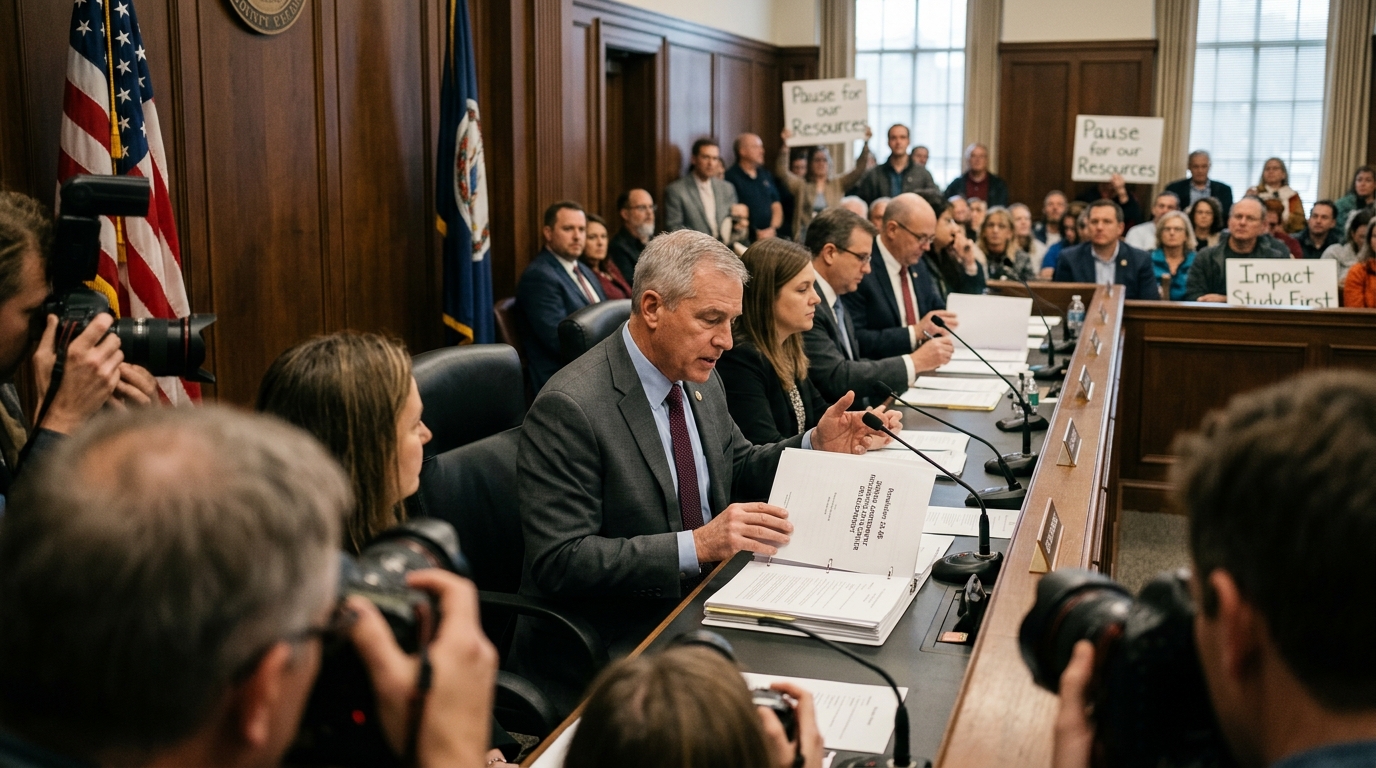
The meteoric rise of generative AI and the insatiable hunger for computational power have turned data centers into the physical backbone of the modern global economy. However, this massive infrastructure of the "cloud" is now hitting a wall: local resistance and finite resources. In a move echoing across several U.S. states and European regions, yet another county has announced a formal pause on data center permits to weigh their long-term impacts on the community.
The Collision of Digital Growth and Physical Limits
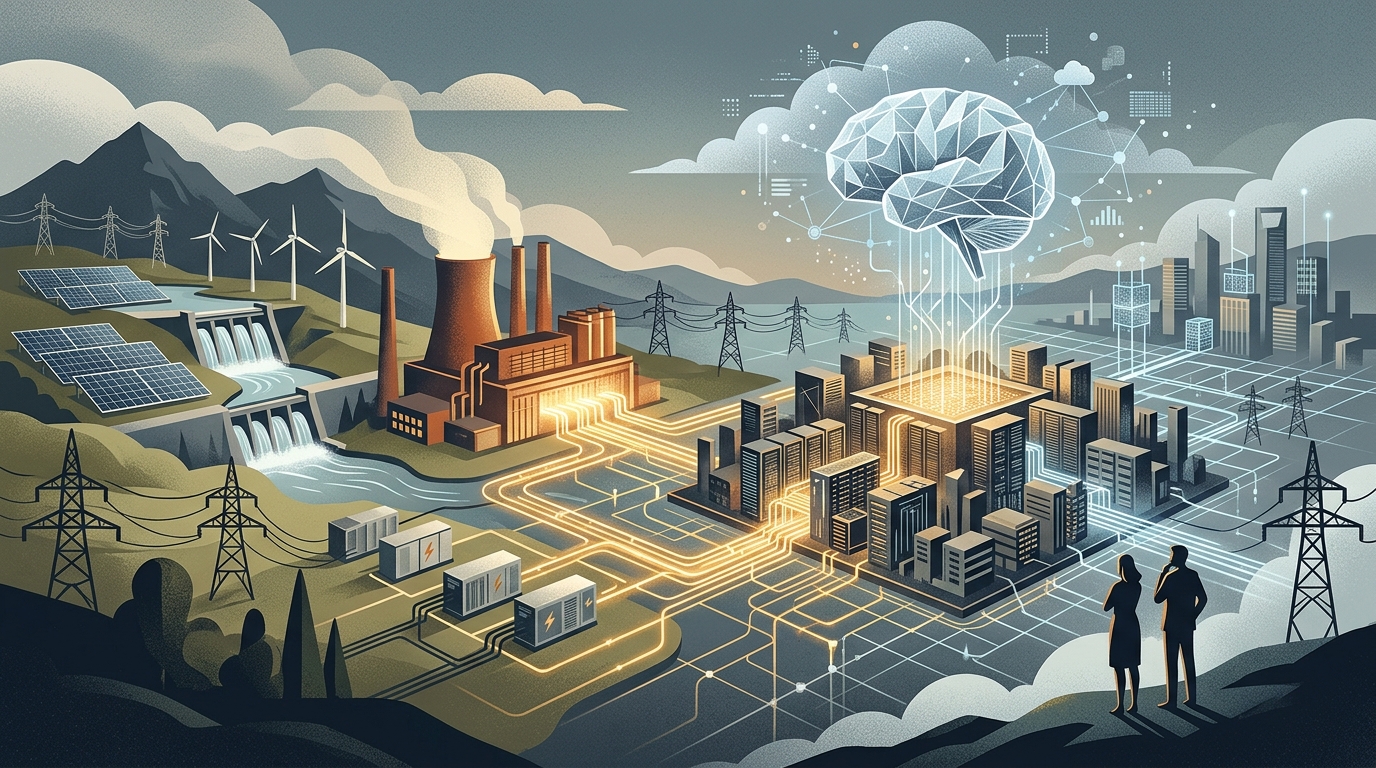
The issue is no longer theoretical. Data centers are energy-intensive behemoths requiring vast amounts of electricity and water to keep servers cool. In many jurisdictions, the demand from these facilities threatens to overwhelm local power grids, leading to potential price hikes for residential consumers or even grid instability. The decision by local governments to impose moratoriums reflects a new reality: local communities are no longer willing to grant a "blank check" to Big Tech companies.
Analysts point to 2026 as a pivotal year. With AI workloads demanding up to ten times more energy per query than traditional searches, the strain on utility infrastructure has reached a breaking point. Counties that once welcomed these projects for their tax revenue are now concerned about aesthetic degradation, noise pollution from cooling fans, and the displacement of land that could be used for housing or industries with higher job density.
The Paradox of Revenue vs. Employment
One of the primary arguments from data center proponents is the influx of tax dollars. Indeed, these facilities pay millions in property and equipment taxes. However, the "data center paradox" lies in the fact that, despite their massive physical footprint, they employ very few people once construction is complete. A facility spanning hundreds of acres might operate with only 30 to 50 permanent staff members, offering little in terms of long-term local employment growth compared to the space they occupy.
- Excessive water consumption in drought-prone regions.
- Low-frequency noise affecting neighboring residential zones.
- Rising energy costs for citizens due to necessary grid upgrades.
- Visual blight from massive, windowless structures that alter the landscape.
Toward a New Model of Sustainability
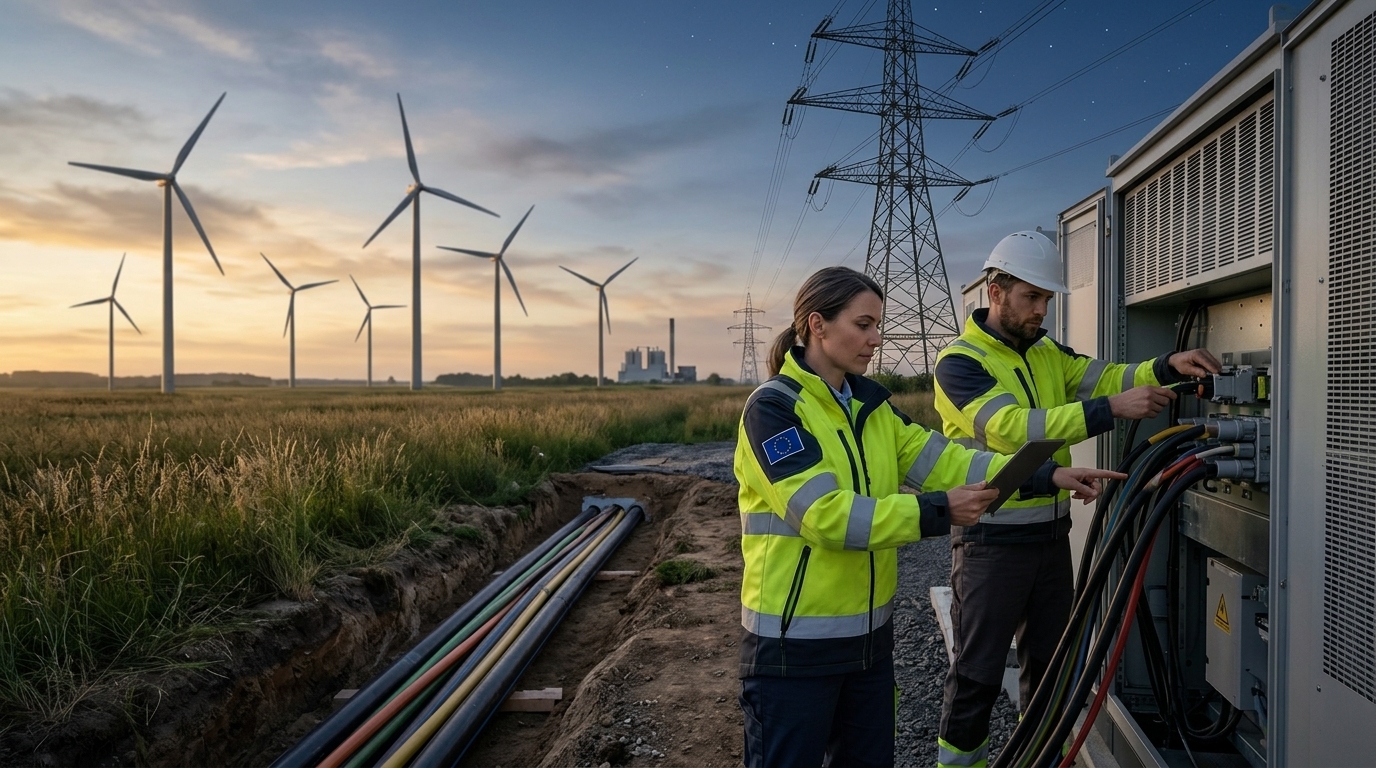
The suspension of permits does not necessarily signal the end of growth, but rather a demand for stricter regulations. Local authorities are now exploring requirements for "closed-loop cooling" systems that don't consume water, as well as mandates for companies to fund their own grid upgrades or invest in dedicated renewable energy sources. The question remains whether Big Tech can pivot fast enough to satisfy both their shareholders and their neighbors.
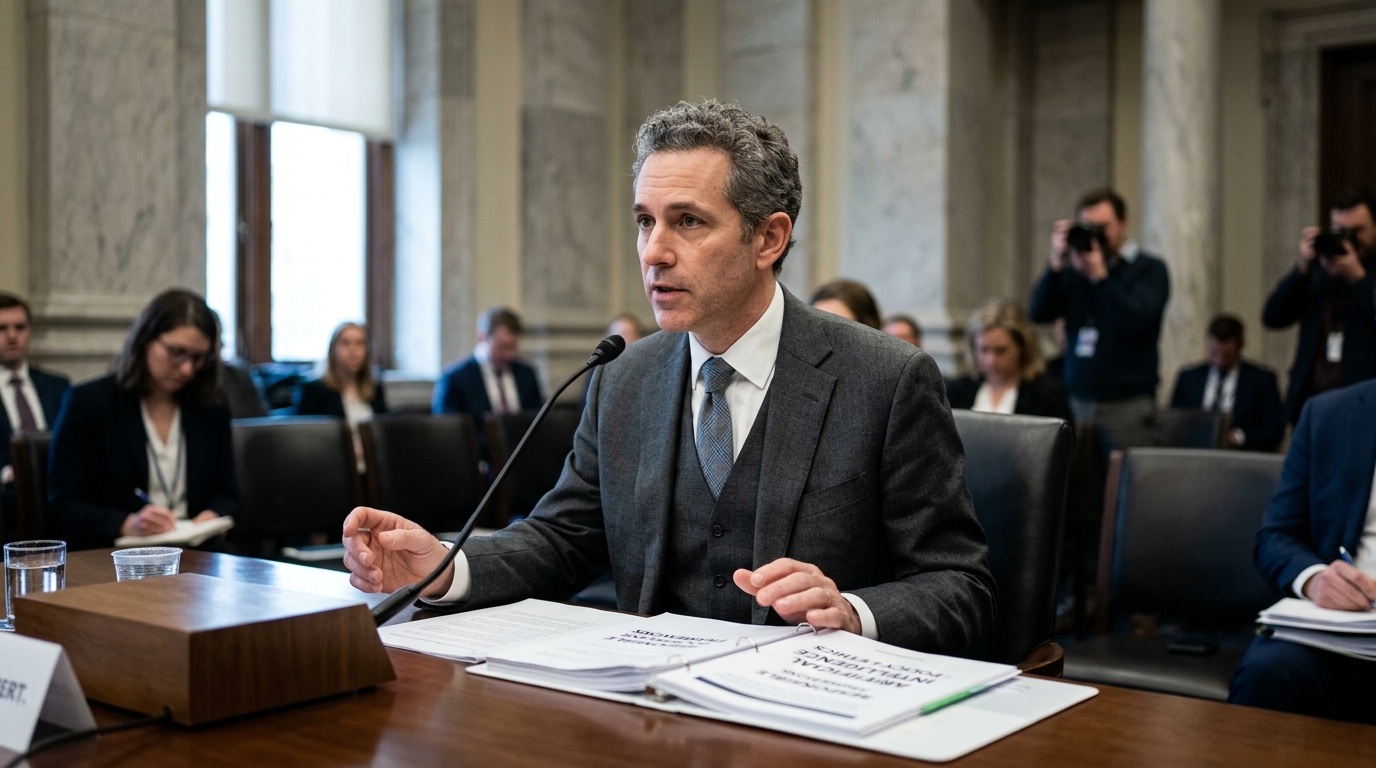
"We cannot sacrifice our residents' quality of life to serve the needs of Silicon Valley's algorithms," stated a local official during the moratorium hearing.
In conclusion, this movement serves as a warning shot to the entire industry. The era of unchecked expansion is ending, and the next phase of digital infrastructure must be far more synchronized with local needs and environmental constraints.