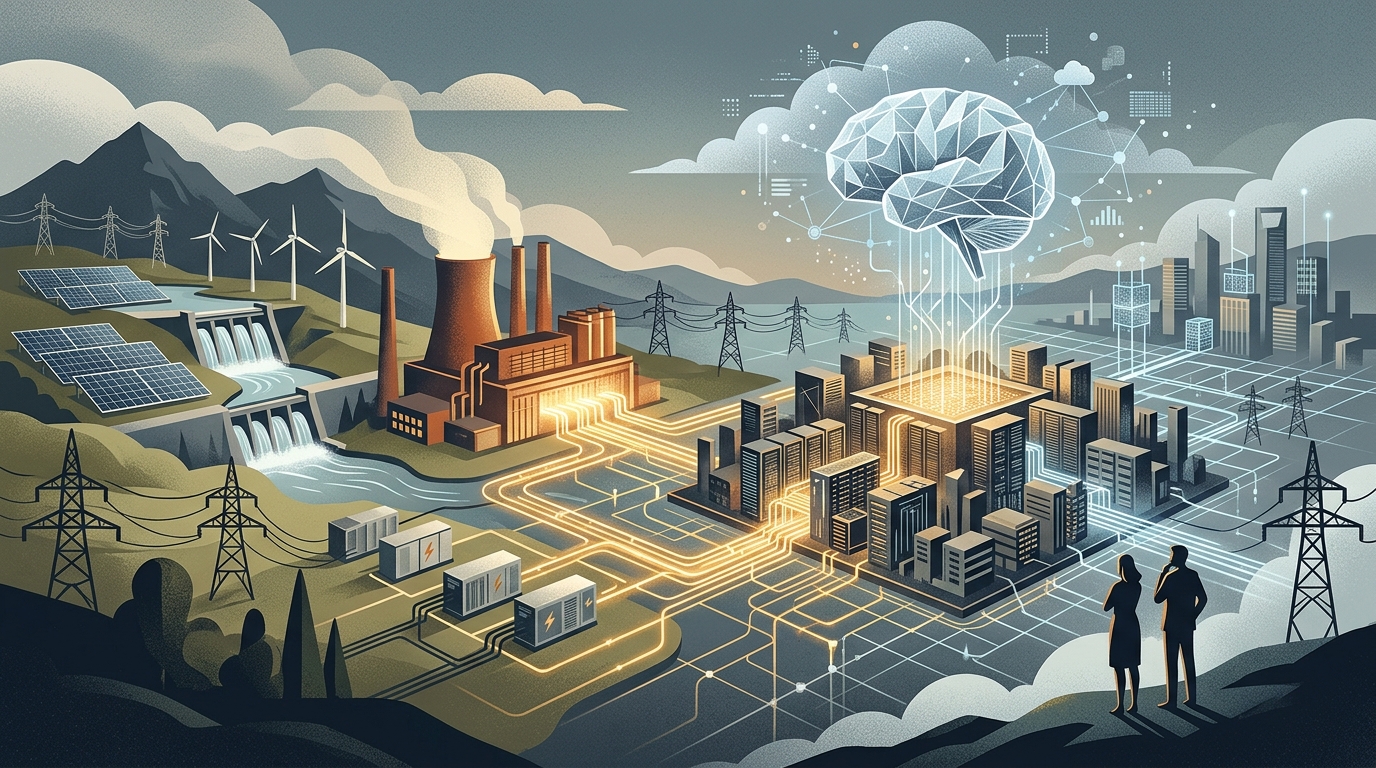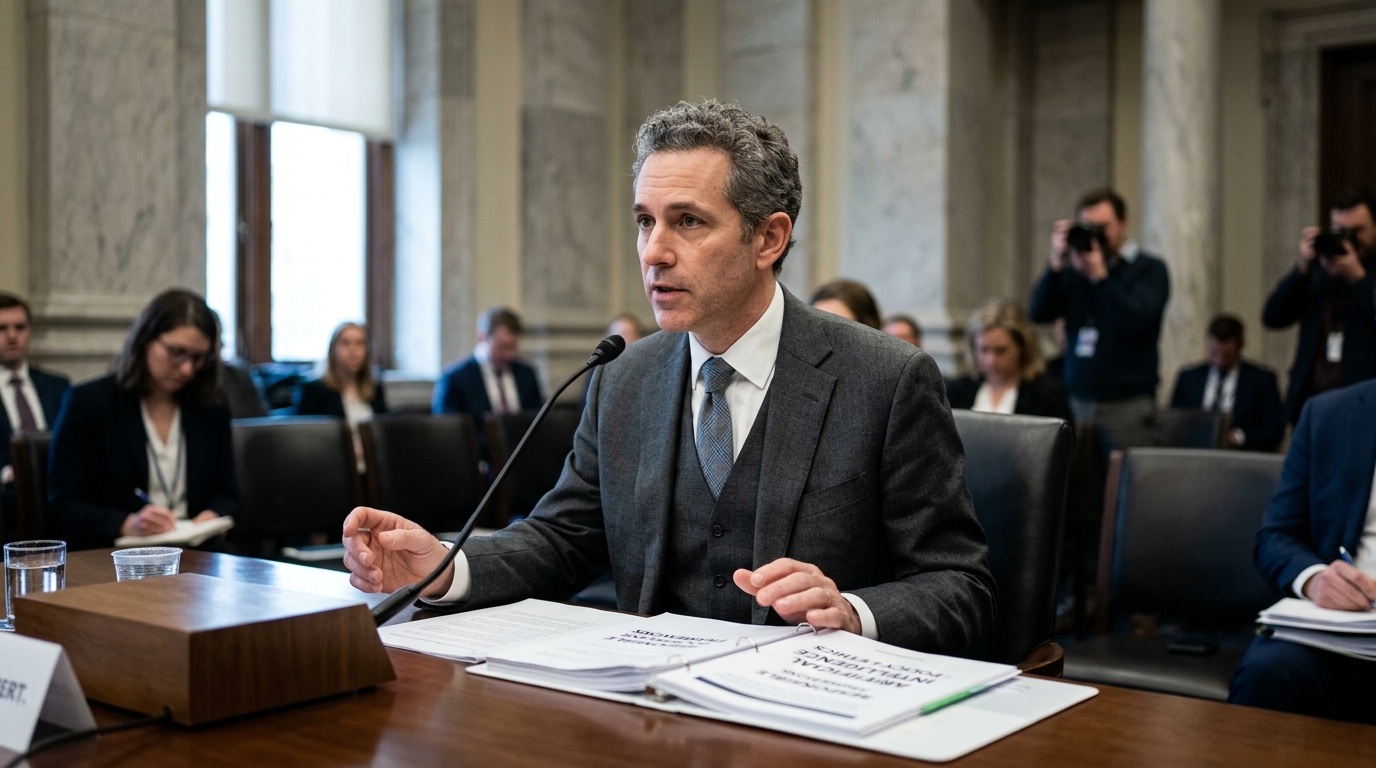
The era of the "Wild West" for Artificial Intelligence (AI) is drawing to a close. As we progress through 2026, the conversation has shifted from what the technology "can" do to what it is "allowed" to do. Governments, from Washington and Brussels to Beijing, no longer view AI as a futuristic experiment but as critical infrastructure requiring rigorous oversight. Industry experts agree that we are at a tipping point where legislation will determine not only citizen safety but also the global geopolitical balance of power for decades to come.
1. The Shift from Self-Regulation to Mandatory Compliance
For years, Silicon Valley giants argued that self-regulation was the only way to avoid stifling innovation. However, the global consensus has shifted dramatically. The first and most significant trend is the institutionalization of strict, mandatory rules. Following the lead of the European Union's AI Act, we are seeing a move toward classifying AI systems based on risk. "High-risk" systems—those affecting health, safety, or fundamental rights—are now subject to exhaustive audits before they can even reach the market. This trend is forcing companies to bake legal compliance into the very code of their models from day one of development.
2. Legal Liability and the End of the "Black Box"
One of the biggest thorns in AI legislation has always been the question: "Who is to blame when AI makes a mistake?" Whether it's an autonomous vehicle in Detroit or a medical diagnosis algorithm in Athens, the lack of transparency (the so-called black box) made it difficult to assign responsibility. Current trends show a clear direction toward "Explainable AI" (XAI). Lawmakers now demand that developers be able to explain their models' decision-making processes. Furthermore, strict liability frameworks are being introduced, where developers and providers bear the burden of proof to show that their system was not defective.
3. Intellectual Property and the Battle over Training Data
Generative AI relies on the massive consumption of pre-existing content. In 2026, courtrooms are packed with cases brought by artists, authors, and publishers against AI firms. The legislative trend is moving toward mandatory licensing. Invoking "fair use" is no longer sufficient. New laws require companies to transparently declare what data was used to train their models and to compensate copyright holders. This is transforming the economic model of AI, making high-quality data the most expensive commodity in the world.
4. Protecting Democratic Processes and Deepfakes
With elections worldwide under attack from disinformation, the regulation of deepfakes has become a matter of national security. New legislative trends impose mandatory watermarking on all AI-generated content. Social media platforms are now legally required to detect and label synthetic content in real-time, under the threat of fines reaching up to 6% of their global turnover. Protecting the truth is no longer a moral request; it is a legal imperative.
5. Biometric Surveillance and Personal Data
The use of AI for facial recognition in public spaces is the most controversial field. While some countries embrace it for security reasons, the dominant trend in democratic societies is its drastic restriction. Legislation is moving toward a total ban on "social scoring" and predictive policing based on racial or social stereotypes. Privacy is being redefined as the individual's right not to be constantly "analyzed" by invisible algorithms.
6. The Geopolitics of AI: Export Controls and National Sovereignty
AI is not just software; it is power. We are seeing a growing trend of linking AI legislation to national security. The US and the EU are imposing export controls on advanced chips and AI models to "unfriendly" nations. Simultaneously, the concept of "algorithmic sovereignty" is emerging, where states seek to develop their own national AI models, trained on their own languages and values, to avoid dependence on foreign powers. Legislation no longer just regulates the market; it protects digital borders.
7. Sector-Specific Regulation: The Case of the Automotive Industry
Finally, we are seeing a shift from general laws to specialized regulations by industry. In Detroit, the heart of the global automotive industry, new laws for autonomous driving are setting the standard. It is no longer enough for AI to be "safe"; it must adhere to specific ethical decision-making protocols in accident scenarios. This specialization will soon expand to the financial sector (algorithmic trading) and healthcare, creating a complex but necessary legal safety net.