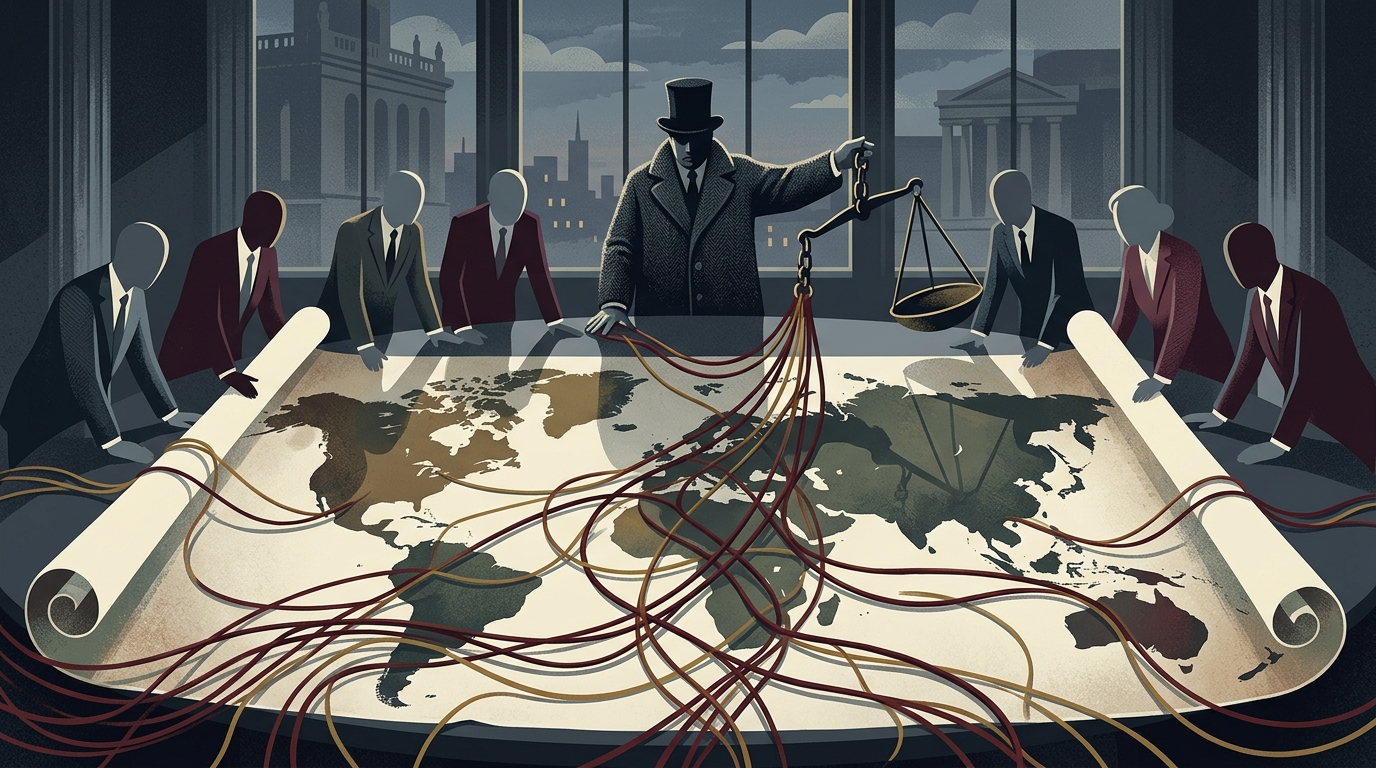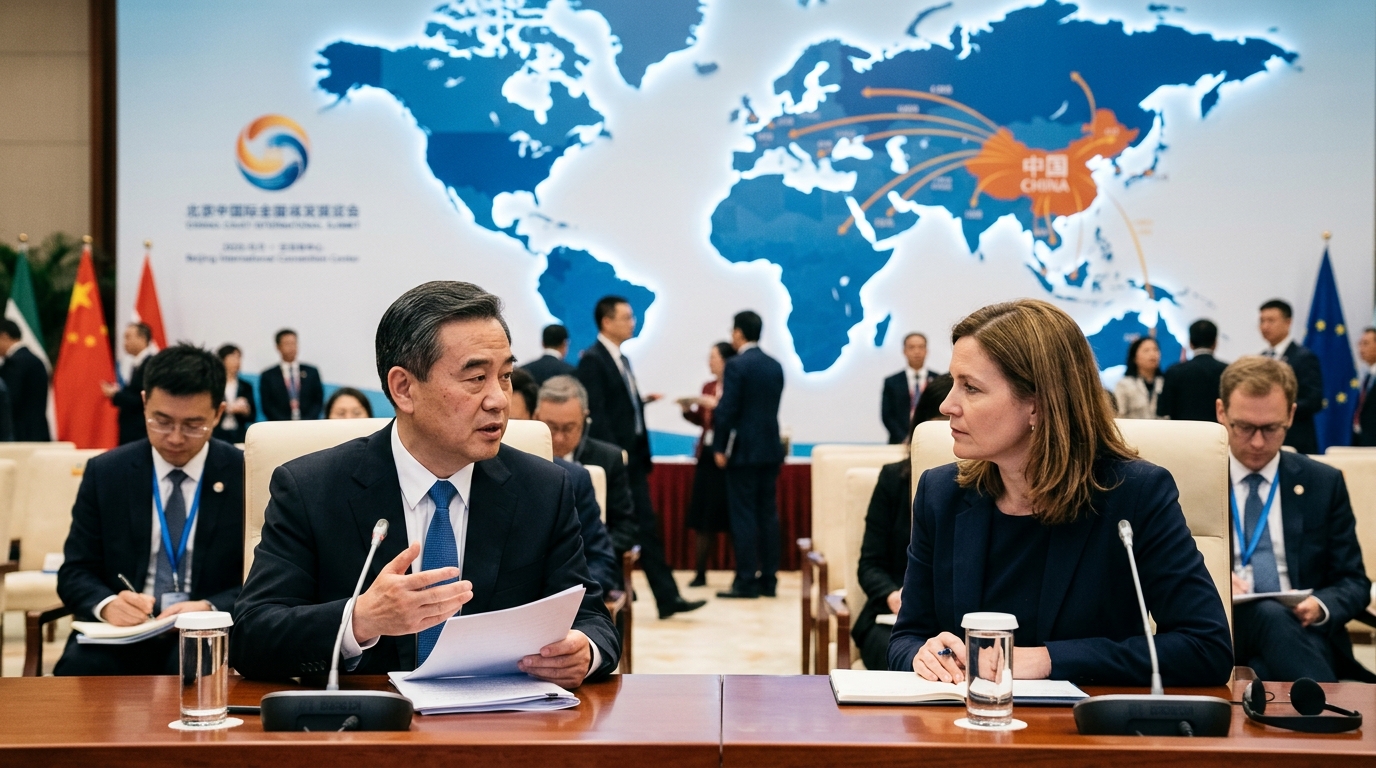
The global AI geopolitical chessboard is witnessing one of its most critical turning points. While the West remains fixated on raw compute power and Nvidia’s market dominance, China—constrained by stringent US export controls—is forging a distinct path. Recent market analysis suggests that Beijing is not merely surviving the blockade of advanced semiconductors; it is fundamentally restructuring its economy around "commercial momentum," prioritizing application and vertical integration over hardware supremacy.
The Silicon Wall and the Chinese Pivot
US restrictions on Nvidia’s H100 and H800 chips were initially viewed as a "death sentence" for China’s Large Language Model (LLM) ambitions. However, the reality of April 2026 tells a different story. Chinese tech giants like Baidu, Alibaba, and Tencent, alongside rising unicorns such as Moonshot AI, have shifted their focus toward software optimization. By leveraging older hardware and domestic alternatives like Huawei’s Ascend processors, they are achieving performance levels that rival Western benchmarks in practical applications.
The "AI Plus" initiative, a cornerstone of the Chinese government’s strategy, signals a shift from consumer-facing chatbots to industrial-scale integration. This is no longer about generating poetry; it is about embedding AI into heavy manufacturing, logistics, and the global supply chain. This focus on commercial momentum means China is utilizing its vast data advantage—the world's largest—to train specialized models that generate immediate economic returns, bypassing the need for the most advanced, general-purpose chips.
The Rise of Domestic Champions
At the heart of this technological resilience is Huawei. After being sidelined from global 5G markets, the company pivoted heavily into the Ascend ecosystem. Today, the Ascend 910B chip is the primary alternative for AI training within China. Simultaneously, SMIC (Semiconductor Manufacturing International Corp) continues to push the boundaries of lithography despite being denied EUV machinery, proving that technological isolation can serve as a potent catalyst for domestic innovation.
- Baidu (Ernie Bot): Now boasting over 300 million users, Baidu has successfully integrated AI into its search and enterprise cloud services, creating a self-sustaining ecosystem.
- Alibaba (Tongyi Qianwen): By championing open-source models, Alibaba has captured a significant share of the Asian developer market, offering a hedge against US cloud dependency.
- Zhipu AI & Moonshot: These state-backed unicorns are specializing in long-context windows, often outperforming GPT-4 in niche industrial and legal processing tasks.
Geopolitical and Economic Implications
The emergence of two distinct AI ecosystems—a Western one built on Nvidia’s cutting-edge hardware and a Chinese one built on software efficiency and state-led direction—is reshaping global power dynamics. China is no longer trying to beat the US at its own game. Instead, it is creating a new arena where success is measured by industrial adoption and economic integration rather than just raw TFLOPS.
"China is turning necessity into a virtue. The constraints on compute have forced them to become the most efficient software engineers in the world," notes a Seeking Alpha analyst.
The lingering question for 2026 is whether this commercial momentum can be sustained without access to sub-5nm chips. However, with a massive domestic market and government-backed liquidity, China is demonstrating that the "chip wars" might ultimately accelerate the rise of a truly autonomous technological superpower, less dependent on the globalized supply chains of the past.