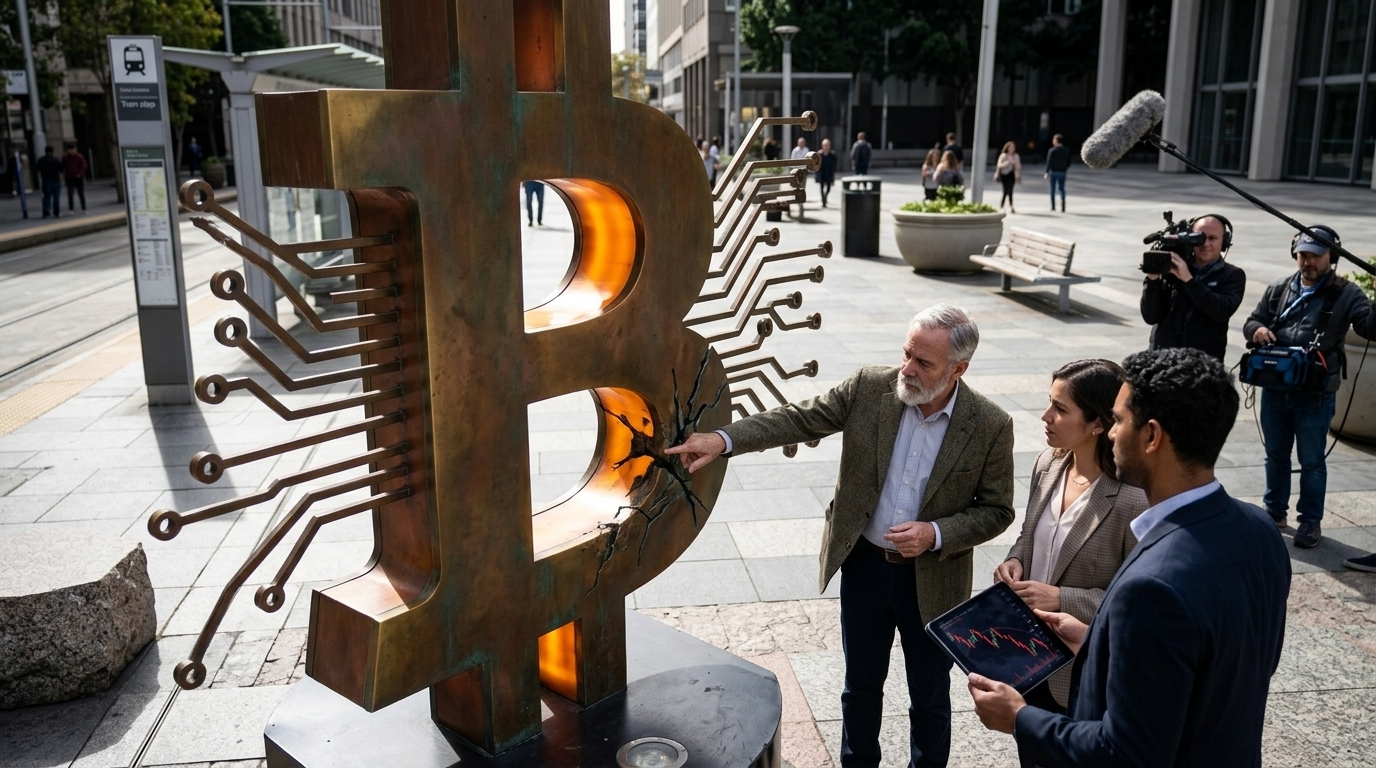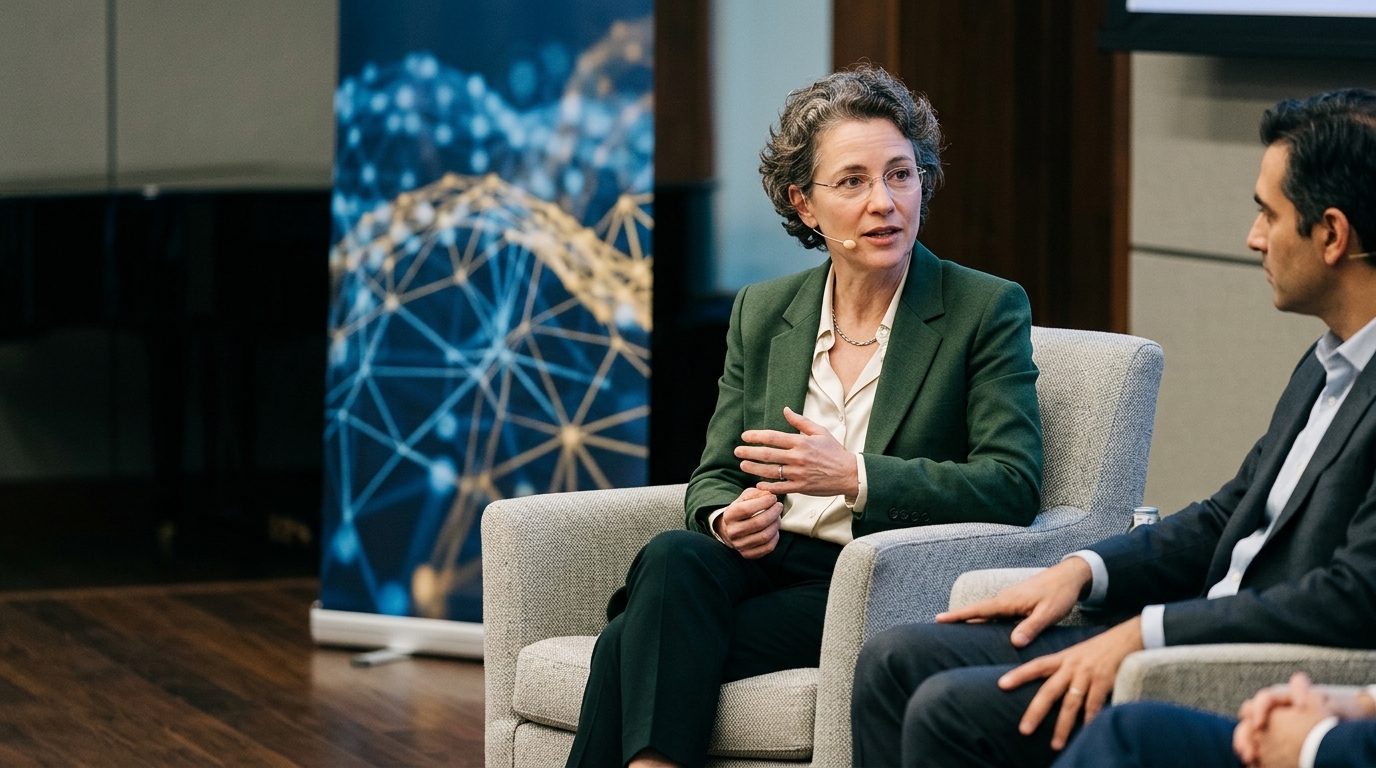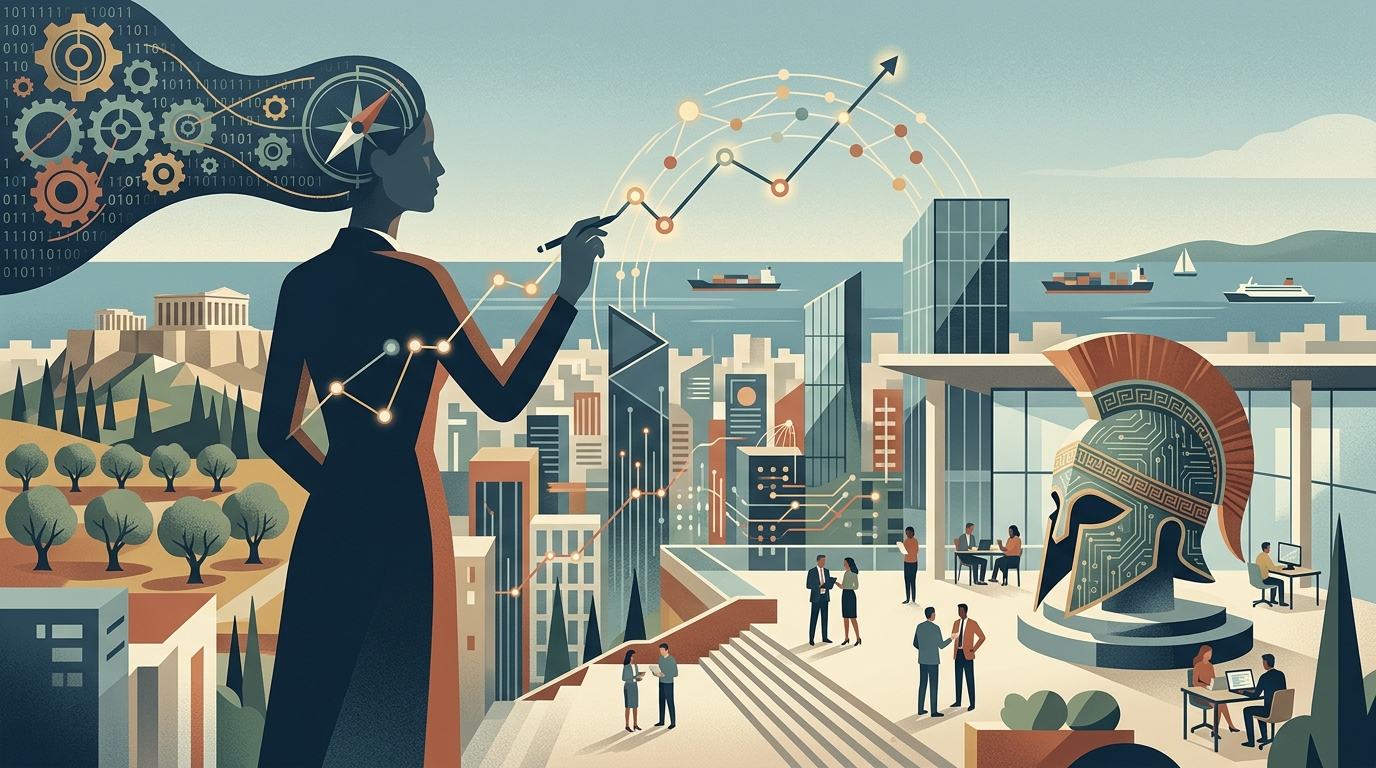
For decades, the "first in, last out" mantra was the unwritten law of professional survival. In corporate environments worldwide, overwork was often conflated with loyalty and indispensability. However, as we navigate through 2026, the proliferation of advanced Artificial Intelligence (AI) has completely disrupted this equation. Overtime, once considered the ultimate proof of work ethic, no longer serves as a reliable shield against layoffs. In fact, in the modern economy, an obsession with long hours may even be perceived as a sign of inefficiency.
The Decline of Presenteeism
The concept of presenteeism—being physically or digitally present beyond standard working hours—was the bedrock of 20th-century corporate culture. Employees believed that if their manager saw them grinding late into the night, they would be the last to face the chopping block during restructuring. AI has shattered this illusion. Automation systems and productivity algorithms can now handle the massive workloads that traditionally required those "extra" hours.
Today, companies are not looking for the employee who spends 12 hours drafting a report or analyzing data. They are looking for the one who can utilize AI agents to produce the same result in 20 minutes. In this new landscape, working overtime without leveraging AI tools is no longer seen as self-sacrifice; it is seen as a failure to adapt. Corporate KPIs are shifting globally toward a focus on output, innovation, and strategic impact rather than mere time spent.
Automating the "Extra Mile"
The so-called "extra mile"—the additional effort an employee puts in—often involved repetitive, high-volume tasks: document processing, data organization, and routine communication. These are exactly the tasks where Generative AI excels. When an algorithm can perform 80% of administrative and analytical duties, an employee staying late to do them manually becomes a liability rather than an asset.
"An employee's value in 2026 is not measured by their stamina for exhaustion, but by their ability to direct technology toward creating new value," say labor market analysts.
This creates a new form of job insecurity. Those who relied on "hard work" in the traditional sense find themselves suddenly vulnerable. AI doesn't get tired, doesn't demand overtime pay, and doesn't require breaks. Therefore, comparing a human who overworks to a machine that works incessantly is a losing battle for the human—unless that human offers something the machine lacks: critical thinking, strategy, and emotional intelligence.
The Global Context and the Shift in Values
The shift is particularly jarring in economies that historically valued labor-intensive models. Employers are beginning to realize that the cost of burnout and overtime pay is significantly higher than the investment in AI-driven solutions. The "hustle culture" that dominated the 2010s is being replaced by a "smart-work" ethos.
- Reskilling: The only way forward for workers is to master AI tools that turn them into force multipliers for their organizations.
- Quality vs. Quantity: The focus is moving from "how much you worked" to "what unique insight you provided that a bot could not."
- Mental Health: Decoupling overtime from job security could lead to a healthier work-life balance, provided that workers remain relevant to market needs.
In conclusion, 2026 marks the end of professional heroism through exhaustion. Artificial Intelligence is not just replacing job titles; it is replacing decades-old mindsets. Security is no longer found in the hours spent in front of a screen, but in the ability to evolve alongside technology while maintaining human uniqueness as our most valuable asset. The clock is no longer the judge; the impact is.