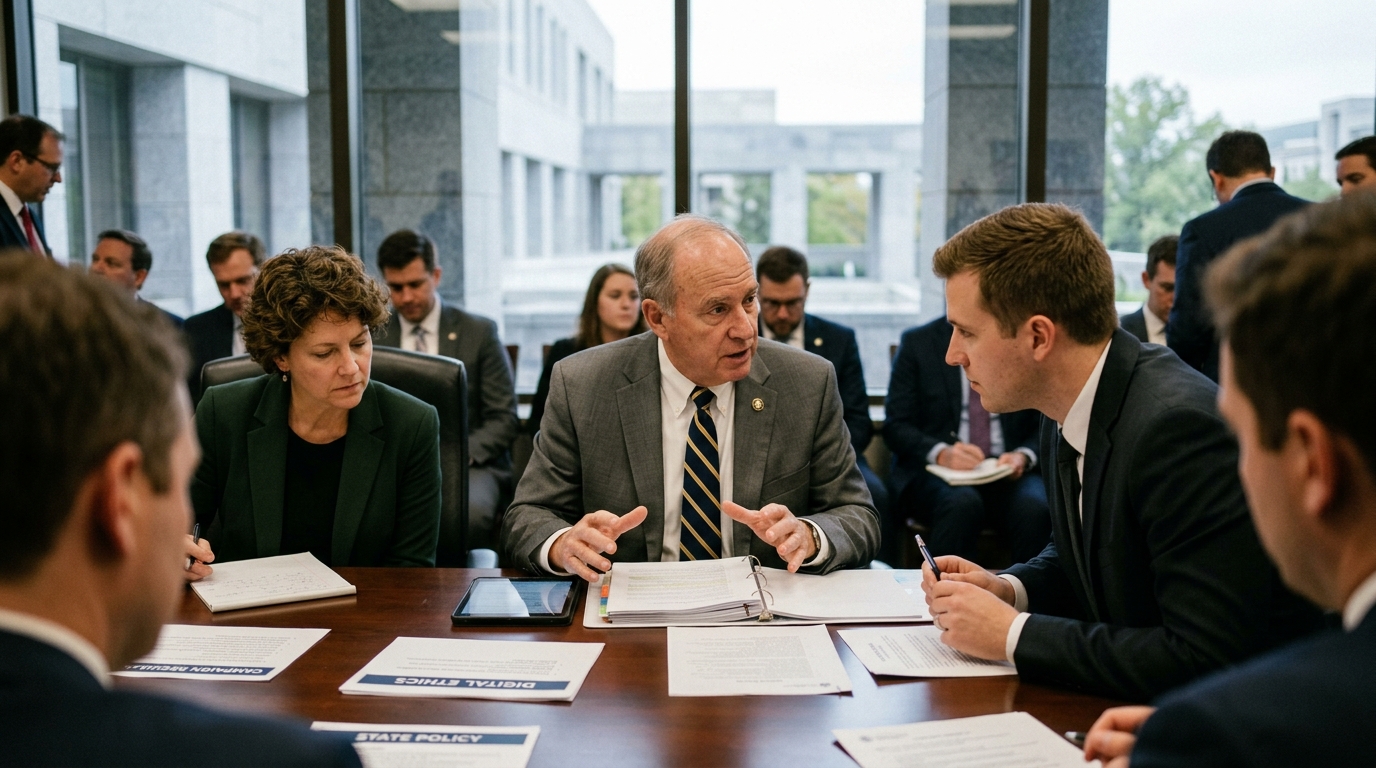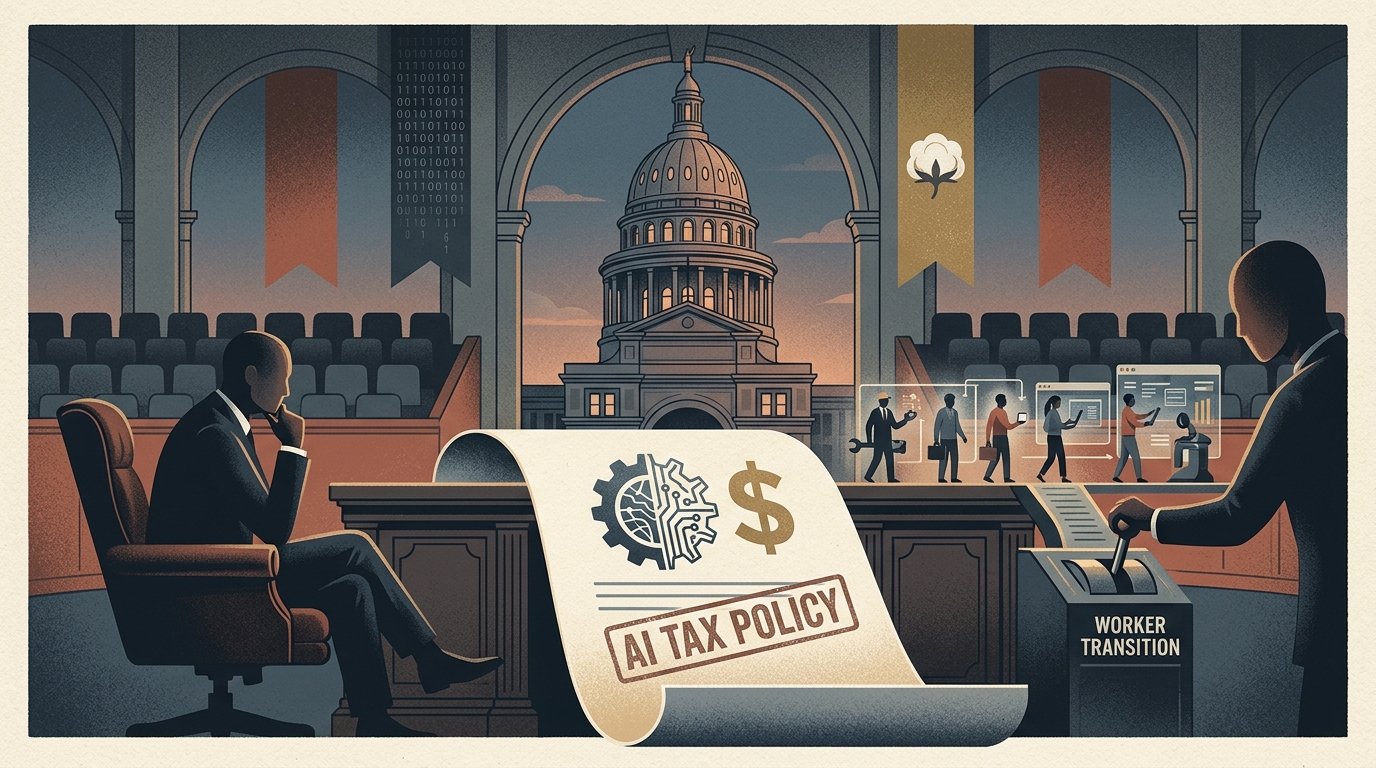
In the heart of Texas, a state that has rapidly evolved into a global technology powerhouse, a new legislative spark is threatening to ignite a firestorm in the "Silicon Hills." Democratic Representative Greg Casar, representing Austin, has introduced a proposal that takes a direct shot at the bottom lines of Artificial Intelligence giants. The core concept is as straightforward as it is radical: imposing a dedicated tax on companies that profit from replacing human labor with algorithms, with the proceeds used to fund national job retraining programs.
The Automation Dilemma and Corporate Accountability
The surge of Generative AI is no longer a localized phenomenon or a niche tech trend; it is a structural economic shift redefining the global workforce. From software engineers and graphic designers to customer service representatives and data analysts, millions of roles are being scrutinized through the lens of automation. Casar argues that while corporations are seeing profit margins soar due to reduced labor costs, the social cost of unemployment and skill obsolescence is being offloaded onto the public sector and individual citizens.
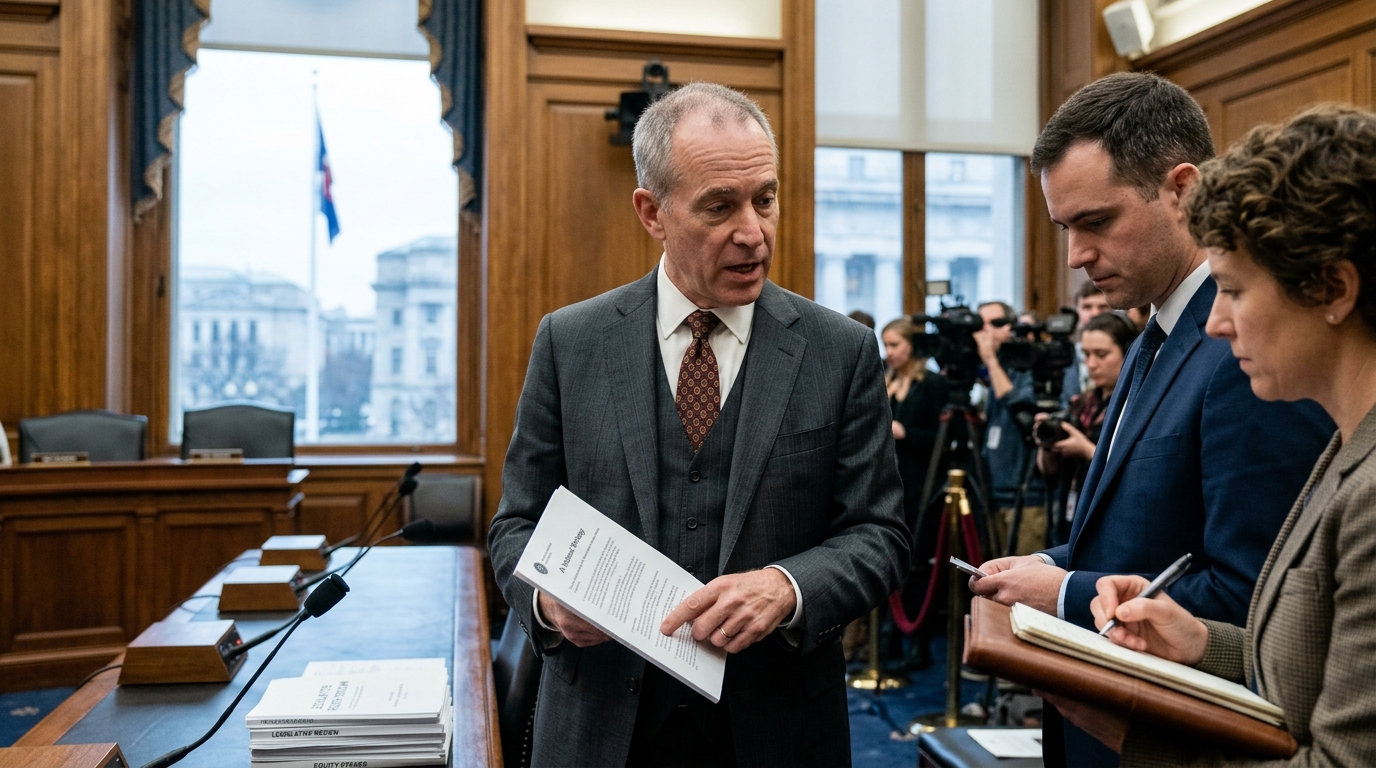
"We cannot allow technological progress to become a tool for mass displacement without a plan for those left behind," Casar stated during a briefing on the bill's framework. The proposed tax is not designed to stifle innovation, its proponents claim, but rather to ensure that a portion of the vast wealth generated by AI is reinvested into the human capital it displaces. These funds would be channeled into a specialized transition fund, providing vocational training for emerging fields, severance support, and community college grants.
Political Headwinds in the Lone Star State
This proposal arrives at a delicate moment for Texas. The state has successfully courted titans like Tesla, Oracle, and Samsung by offering a low-tax, light-regulation environment. Introducing an "AI tax" could be perceived as a betrayal of the very economic model that fueled the recent tech boom. Critics from the Republican side and tech industry lobbyists argue that such a measure would trigger capital flight, driving innovation toward more business-friendly jurisdictions.
Furthermore, the logistical implementation of the tax presents a nightmare of definitions. Defining exactly what constitutes an "AI company" in an era where almost every software product integrates machine learning is a daunting task. Opponents also question how the state can accurately attribute job losses to AI specifically, rather than broader market cycles or management decisions. Despite these hurdles, the proposal has struck a chord with labor unions and progressive advocates who view it as a necessary correction to the unbridled power of Big Tech.
A Global Precedent with Local Stakes
Casar’s initiative mirrors a growing global conversation. From the European Union’s AI Act discussions to IMF reports on automation, the idea of a "robot tax" or "AI levy" is gaining intellectual traction. However, seeing it proposed in a traditionally pro-business state like Texas adds a layer of political intrigue. It sets up a high-stakes clash between the traditional American ethos of creative destruction and the modern necessity for a robust social safety net.
"If a machine takes a worker's job, the machine's owner shouldn't be the only one who benefits. The community that supported that business deserves a share of the efficiency gain to rebuild its workforce."
As the bill moves through the legislative process, it will serve as a bellwether for how other states—and perhaps the federal government—handle the inevitable labor disruptions of the 2020s. Whether it passes or not, Rep. Casar has succeeded in moving the conversation from *if* AI will change the economy to *who* will pay for the transition. The outcome of this debate in Austin could very well dictate the future of the American social contract in the age of the algorithm.