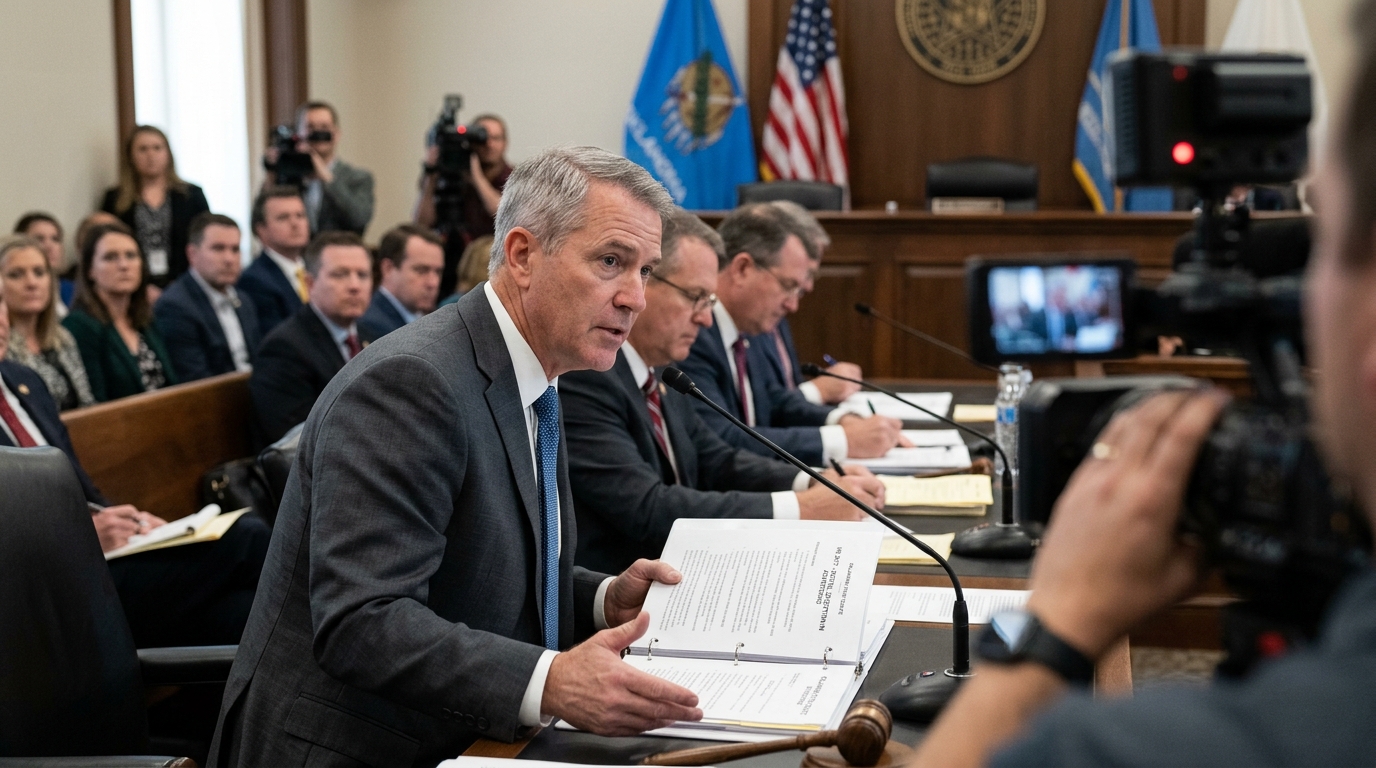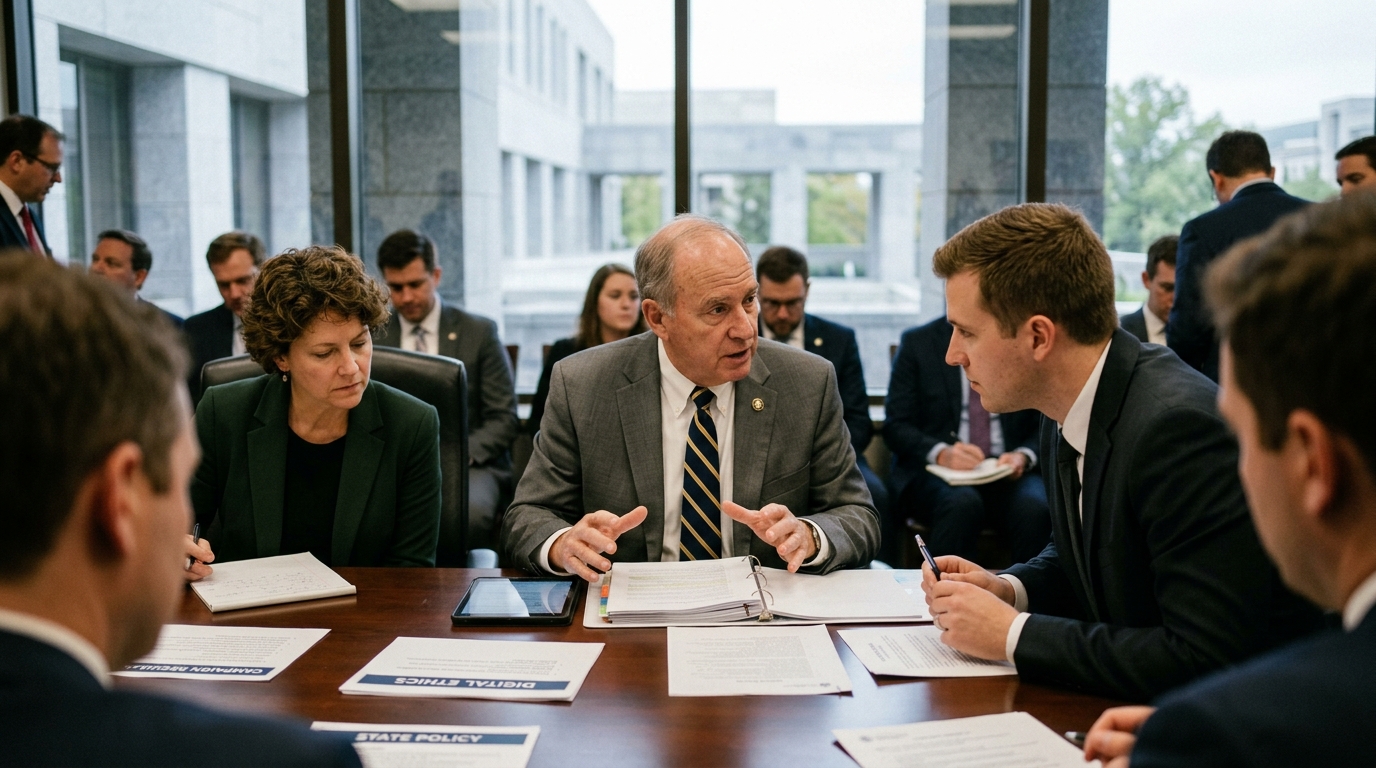
In an era where digital truth is becoming increasingly elusive, the State of Oklahoma is attempting to establish the first safeguards against the unregulated use of Artificial Intelligence (AI) in the political arena. The state's Ethics Commission has launched a critical consultation process to establish rules governing how candidates and political organizations use generative AI tools. This move is not merely a bureaucratic adjustment but a fundamental effort to protect the integrity of democratic institutions from the scourge of deepfakes and synthetic misinformation.
The Threat of Synthetic Deception
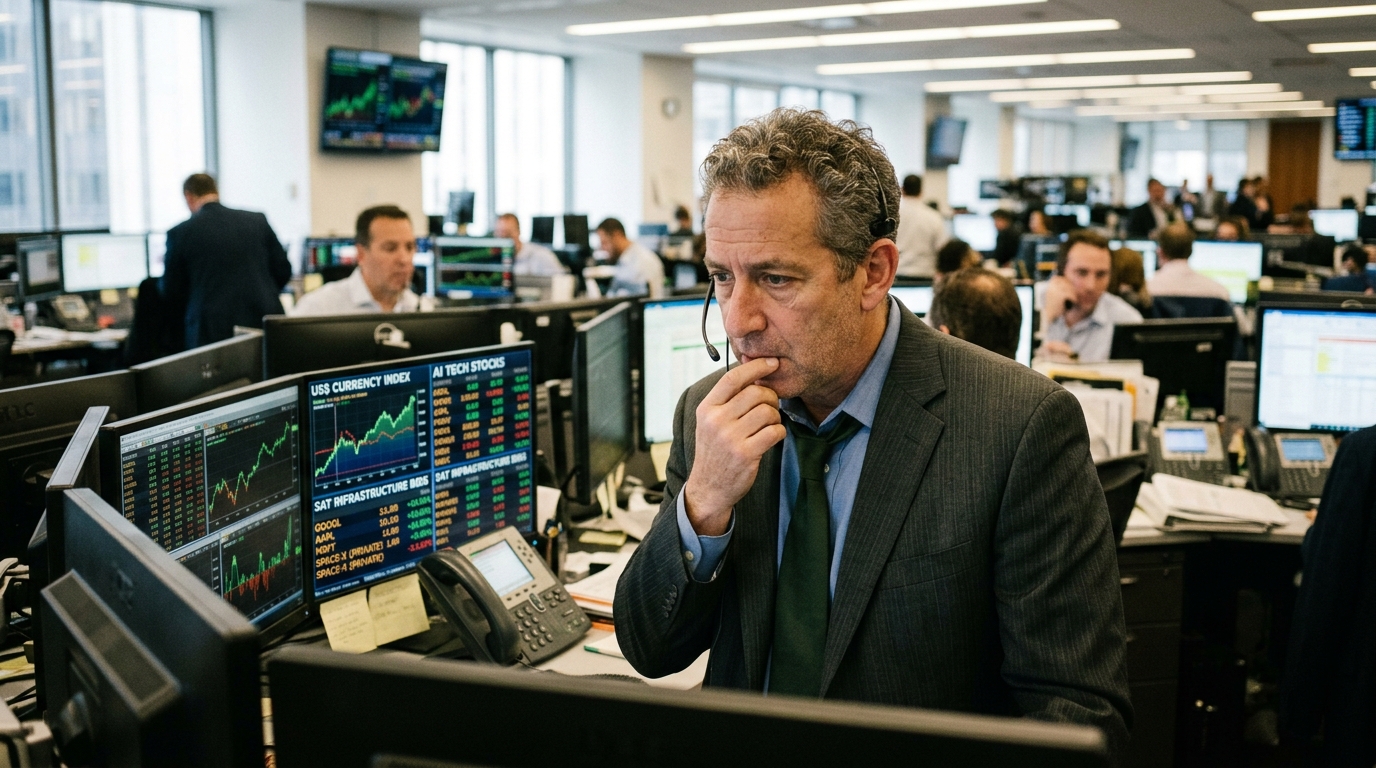
The Commission's concern focuses primarily on AI's ability to create highly realistic, yet entirely false, audiovisual materials. Imagine a video circulating 24 hours before the polls open, in which a candidate appears to confess to a crime or make inflammatory statements. By the time the material is proven fake, the election result may have already been irreparably altered.
"Technology is moving at a speed that legislation struggles to follow, but silence is no longer an option," a commission member stated during the opening session.
The proposed rules in Oklahoma aim to enforce mandatory disclaimers on any political advertisement that uses AI-generated content. This means voters will know upfront if what they are seeing or hearing is a product of an algorithm rather than reality. This transparency is considered the first and most important step in maintaining public trust.
The Regulatory Landscape and Federal Inaction
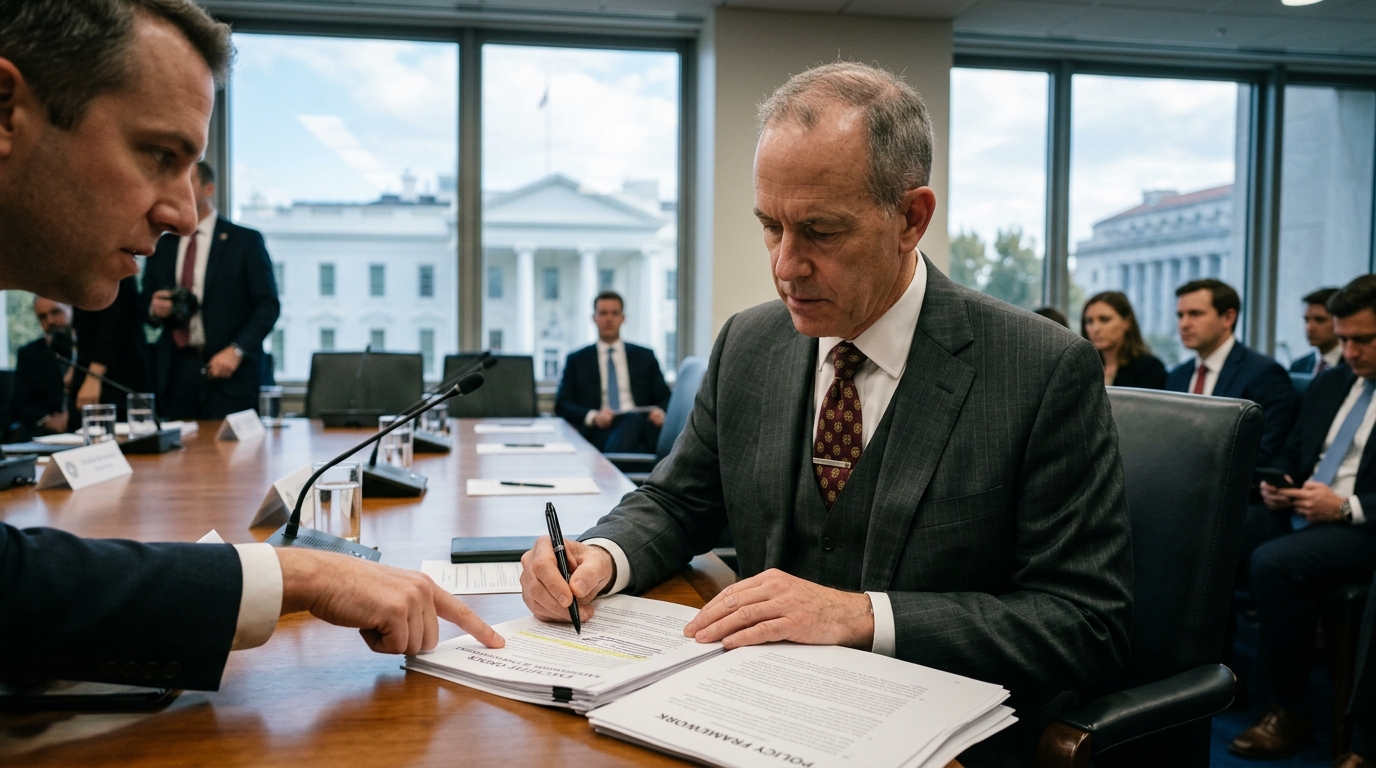
Oklahoma's initiative does not take place in a vacuum. It follows in the footsteps of other states like California, Michigan, and Texas, which have already adopted similar legislation. This trend highlights a significant dysfunction at the federal level in the United States. The Federal Election Commission (FEC) has been characteristically slow to issue uniform rules, leaving states to act as "laboratories of democracy" but also as fragmented regulators of a problem that knows no borders.
- Mandatory labeling for AI-generated content.
- Prohibition of malicious deepfakes within specific timeframes before elections.
- Penalties for non-compliance, including fines or potential criminal prosecution.
- Responsibility of platform providers for the rapid removal of deceptive material.
However, this regulation also raises serious legal questions, particularly regarding the First Amendment of the U.S. Constitution concerning freedom of speech. Critics argue that overly strict rules could stifle political satire or be used as a tool for censorship by those in power. The challenge for Oklahoma is to find the middle ground between protection from fraud and the defense of free expression.
AI as a Tool and a Weapon
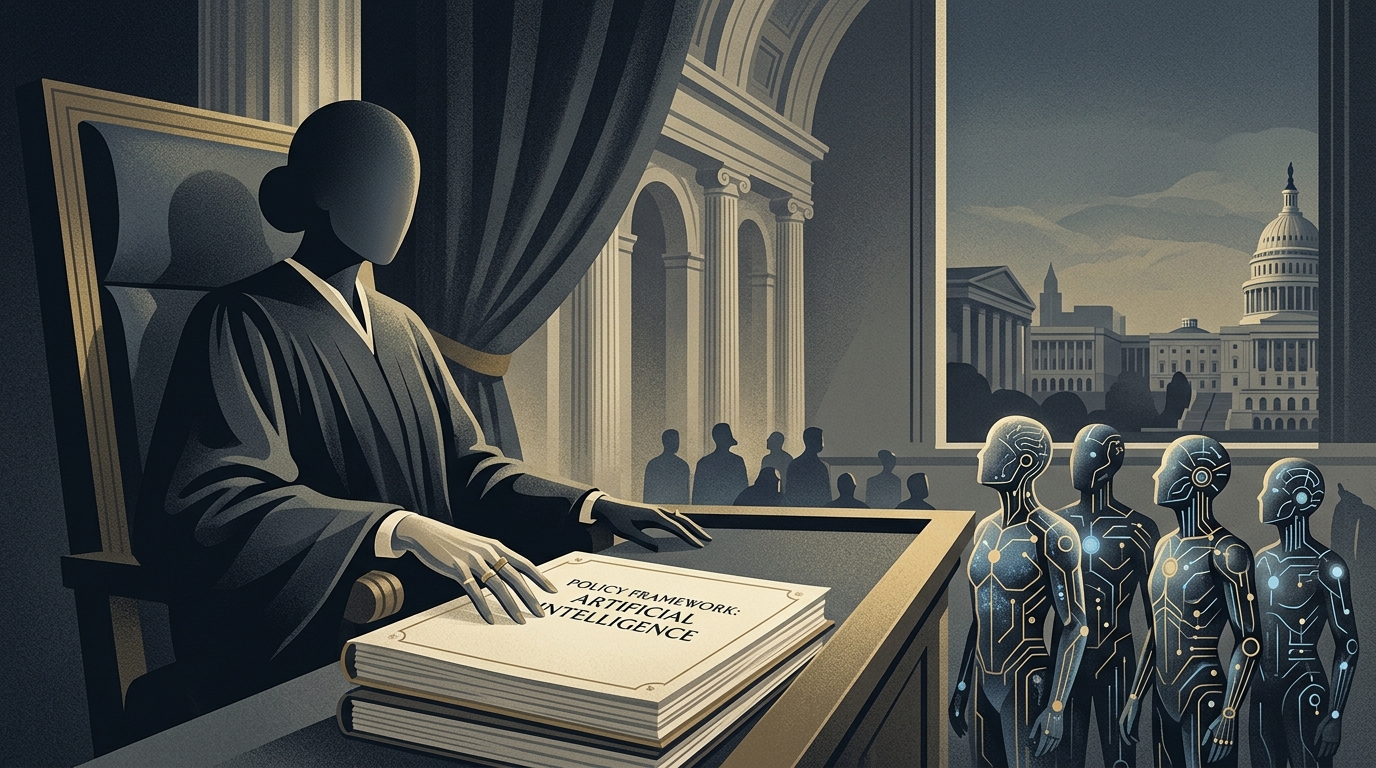
It is important to note that AI is not only a threat. Many campaigns use it for positive purposes, such as data analysis to better understand voter needs, automated translation of messages for minority groups, or optimizing volunteer logistics. The Ethics Commission is therefore called upon not to demonize the technology, but to define its boundaries.
Oklahoma's case will serve as a bellwether for how conservative states approach technological regulation. In a highly polarized political environment, agreeing on common rules for "truth" is perhaps the most difficult challenge of the decade. As we approach the next election cycles, the speed at which these rules are finalized will determine whether democracy remains a conversation between humans or a war between algorithms.
Conclusions and Outlook
Oklahoma's move underscores a broader global need: the need for a "Code of Ethics for Digital Politics." Technology evolves exponentially, while laws evolve linearly. This divergence creates gaps exploited by malicious actors. The Commission's success will be judged by its ability to enforce the rules in practice, as identifying AI content remains technically difficult and often debatable.
Ultimately, regulating AI in elections is not just about pixels and code. It is about the very essence of social consensus. If citizens stop believing their eyes and ears, the social contract risks collapse. Oklahoma is taking a step toward preventing this scenario, reminding us that technology must always serve humanity, not manipulate it.