In the sun-drenched but often harsh landscape of South Florida, where the hope for a better life frequently meets the complex bureaucracy of the American legal system, a new threat has emerged—one more invisible and dangerous than ever before. The recent case of a prominent immigration lawyer whose identity was fully cloned using Artificial Intelligence (AI) is not merely a local crime report; it is a chilling harbinger of how technology can be weaponized against the very core of human trust.
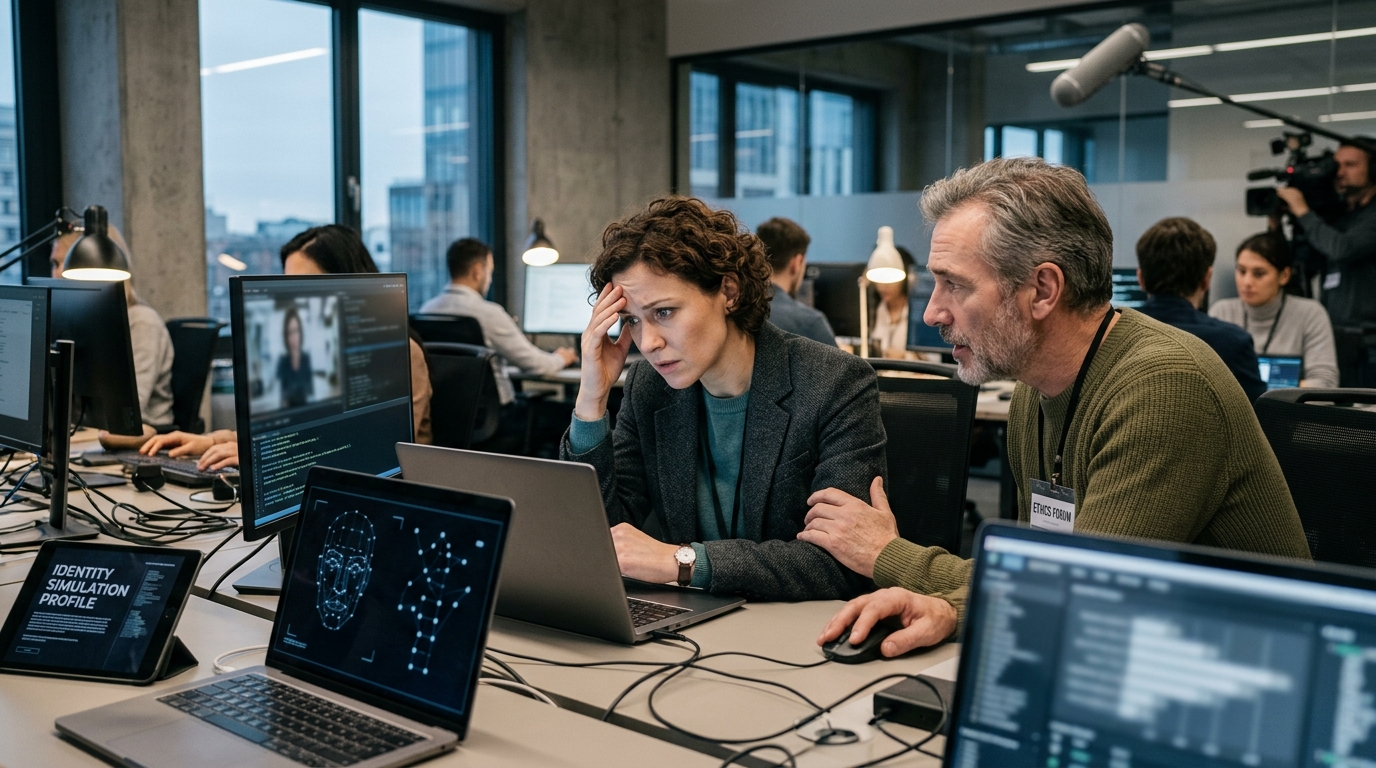
The scam began with the silent harvesting of data. Photos, videos of professional interviews, and voice samples from the lawyer's social media accounts were fed into AI training models. The result was a digital likeness—a deepfake—so convincing that even close associates struggled to distinguish it from reality. Fraudsters used this "digital clone" to contact vulnerable immigrants, demanding exorbitant fees for supposedly urgent legal services or fake filing costs.
The Anatomy of a Digital Heist
The ease with which this identity theft was executed is staggering. Using tools that are now widely available to the public—such as voice generators from ElevenLabs and lip-syncing apps like HeyGen—cybercriminals no longer require specialized programming knowledge. In the Florida case, the scammers created entire videos where the "lawyer" appeared to give direct instructions to clients on how to transfer funds to cryptocurrency accounts, bypassing traditional bank security.
The problem is exacerbated by the fact that immigrant communities are often isolated and fearful of authority. Contact from an "official" lawyer who speaks their language and promises solutions to critical residency issues acts as the perfect bait. The perpetrators exploited the authority inherent in the legal profession, turning a symbol of protection into a tool for exploitation.
The Legal Vacuum and Ethical Crisis
As we navigate June 2026, global legislation is frantically trying to keep pace with technological evolution. While identity theft laws exist, the concept of "digital cloning" remains in a legal gray area. Who bears the responsibility when an AI model, hosted on a server in a country with lax enforcement, destroys the reputation of a professional in the US or Europe?
"They didn't just steal people's money. They stole my face, my voice, and the trust I spent twenty years building," the lawyer told NBC 6, highlighting the profound psychological and professional damage inflicted.
The ethical dimension is equally terrifying. Artificial Intelligence is eroding the last bastion of truth: audiovisual evidence. If we can no longer believe our eyes and ears, social cohesion faces a systemic threat. Professionals—lawyers, doctors, accountants—who rely on personal contact and reputation are now on the front lines of this new digital battlefield.
The Path Forward: Protection and Verification
To combat this crisis, the legal sector in Florida and worldwide is beginning to adopt "Zero Trust" protocols. This includes the use of encrypted communication channels and mandatory multi-factor authentication for financial transactions. However, these measures often increase the cost and complexity of accessing legal services, further disadvantaging those who need help most.
- Public education on identifying deepfakes (unusual eye movements, robotic voice inflections).
- Implementation of digital watermarks for all professional video communications.
- Stricter regulation of companies providing high-fidelity voice cloning tools.
- Enhanced international cooperation to dismantle cross-border cybercrime rings.
In conclusion, the South Florida lawyer's ordeal serves as a stark warning. AI is not just a productivity tool; it is a mirror of the user's intent. Without a robust legal framework and a new era of digital literacy, our identity—our most personal asset—remains vulnerable to the digital winds of the 21st century.